

Rose McClendon, photographed by Carl Van Vechten, via the New York Public Library.
The first lady of the early Black stage, largely forgotten today, Rose McClendon set a blazing example of how talent could offer opportunity, even in difficult, discriminatory times. Her outstanding work made even white theater critics take notice. She brought dignity and grace to every performance, a forerunner of Sidney Poitier.
Born as Rosalie Virginia Scott in Greenville, South Carolina, August 27, 1884, McClendon began performing in and directing church plays as a teenager after the family moved to New York City, where her parents worked as domestics. At the age of 20, she married Dr. Henry Pruden McClendon, a chiropractor who worked as a Pullman porter. After winning a scholarship to the American Academy of Dramatic Art, she became a professional actress in her thirties. McClendon made her stage debut in Justice in 1919. She gained strength and determination during the Harlem Renaissance of the 1920s.


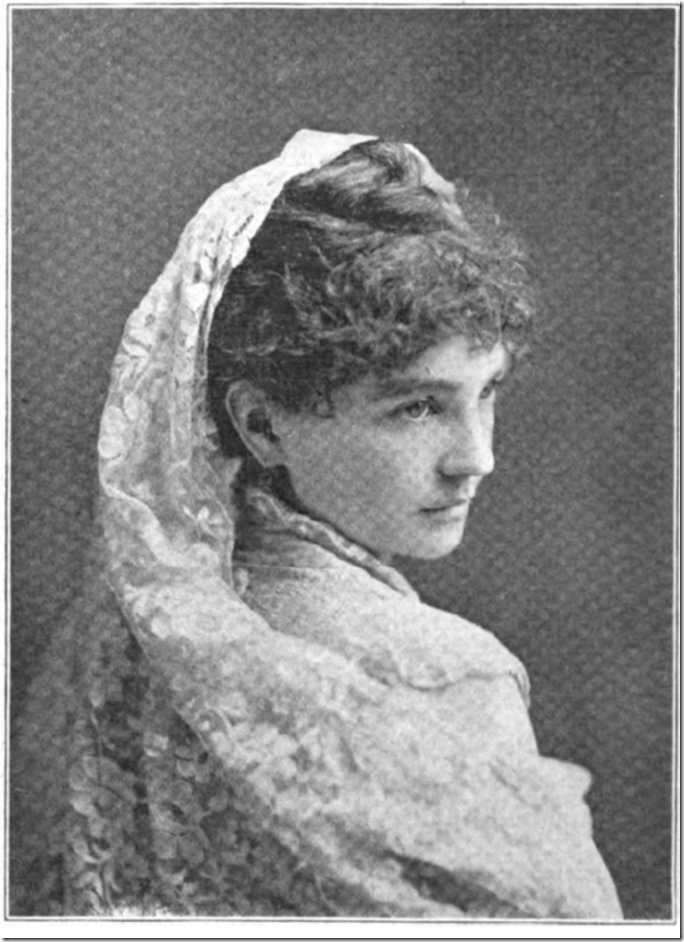 A feminist ahead of her time, author May Whitney Emerson advocated equal opportunities and rights for women in the late 1800s and early 1900s. Brash, fearless, and determined, she blazed a trail through the arts and journalism as she traveled the world. Sometimes embroidering her own life story to make it as colorful and exciting as any novel, Emerson advanced the strength and determination of women in her writing, and in 1916, formed the American Woman Film Company to make films by and about women.





 ladailymirror.com