‘Laura’ — The Making of a Film Noir Classic, Part 46

Jay Dratler

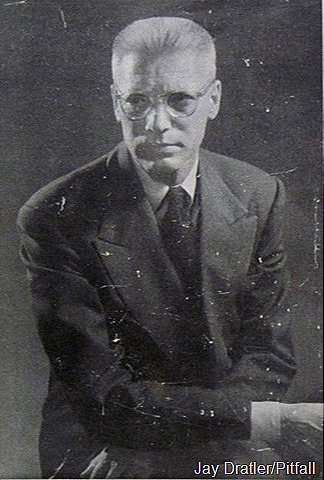
Joseph “Jay” Dratler in a photo from the cover of his 1947 novel “The Pitfall,” listed on EBay at Buy It Now for $245.


Joseph “Jay” Dratler, who received the first screenwriting credit on “Laura,” is a somewhat obscure figure today — even finding a photo of him is difficult — so it’s worth exploring his life, at least briefly.

In addition to “Laura,” he is known for the Twentieth Century-Fox picture “Call Northside 777” (also with “Laura” screenwriter Jerome “Jerry” Cady).

”Call Northside 777” Script, Part 1 | “Call Northside 777” Script, Part 2

His novels included “The Pitfall,” “The Judas Kiss” and “Dr. Paradise,” and he wrote scripts for popular TV shows such as “Perry Mason,” “Naked City,” “Burke’s Law” and “The Addams Family.” In his final years, he wrote the play “The Golden Warriors” about the Trojan War, which was presented at the American Academy of Dramatic Arts in New York shortly after his death.

The Making of “Laura” Part 1 | Part 2 | Part 3 | Part 4 | Part 5 | Part 6 | Part 7 | Part 8 | Part 9 | Part 10 | Part 11 | | Part 12 | Part 13 | Part 14 | Part 15 | Part 16 | Part 17 | Part 18 | Part 19 | Part 20 | Part 21 | Part 22 | Part 23 | Part 24 | Part 25 | Part 26 | Part 27 | Part 28 | Part 29 | Part 30 | Part 31 | Part 32 | Part 33 | Part 34 | Part 35 | Part 36 | Part 37 | Part 38 | Part 39 | Part 40 | Part 41 | Part 42 

James Ellroy to script remake of ‘Laura’

Continue reading

Posted in 1944, Books and Authors, Film, Hollywood | Tagged , , , , | Comments Off on ‘Laura’ — The Making of a Film Noir Classic, Part 46

Not on Netflix in February 2015: Dr. Who

Best of Netflix reports that Classic Dr. Who (1964-1989) and Dr. Who (2005-2012) will be removed from Netflix streaming in February 2015.

Posted in Television | Tagged , , | 2 Comments

‘Laura’ — The Making of a Film Noir Classic, Part 45

"Laura"

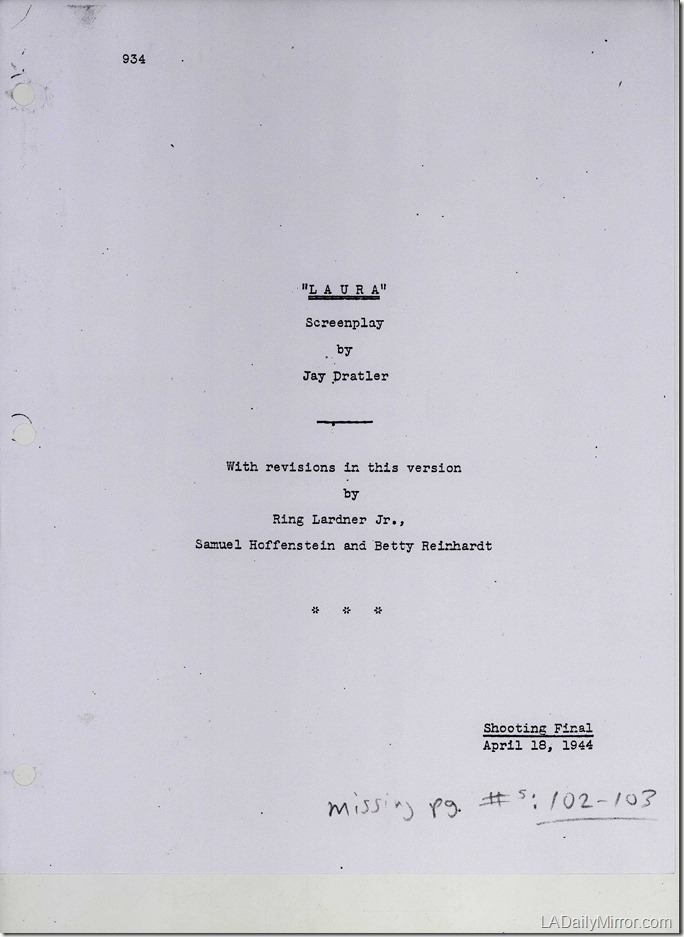
The cover of the shooting script for “Laura,” with the names of screenwriters Jay Dratler, Ring Lardner Jr., Samuel Hoffenstein and Betty Reinhardt.  Although he did not receive credit, Jerome “Jerry” Cady rewrote the last portion of the script with the ending we know today.


Which came first in ‘Laura,’ the script or the cast? The answer is: Yes.

When discussing the script of “Laura,” one can only laugh at novelist Vera Caspary’s stunning lack of self-awareness. She said in the June 26, 1971, issue of Saturday Review:

The Making of “Laura” Part 1 | Part 2 | Part 3 | Part 4 | Part 5 | Part 6 | Part 7 | Part 8 | Part 9 | Part 10 | Part 11 | | Part 12 | Part 13 | Part 14 | Part 15 | Part 16 | Part 17 | Part 18 | Part 19 | Part 20 | Part 21 | Part 22 | Part 23 | Part 24 | Part 25 | Part 26 | Part 27 | Part 28 | Part 29 | Part 30 | Part 31 | Part 32 | Part 33 | Part 34 | Part 35 | Part 36 | Part 37 | Part 38 | Part 39 | Part 40 | Part 41 | Part 42 

James Ellroy to script remake of ‘Laura’

Continue reading

Posted in 1944, Film, Hollywood | Tagged , , , | Comments Off on ‘Laura’ — The Making of a Film Noir Classic, Part 45

‘Laura’ — The Making of a Film Noir Classic, Part 44

"Laura" Cover

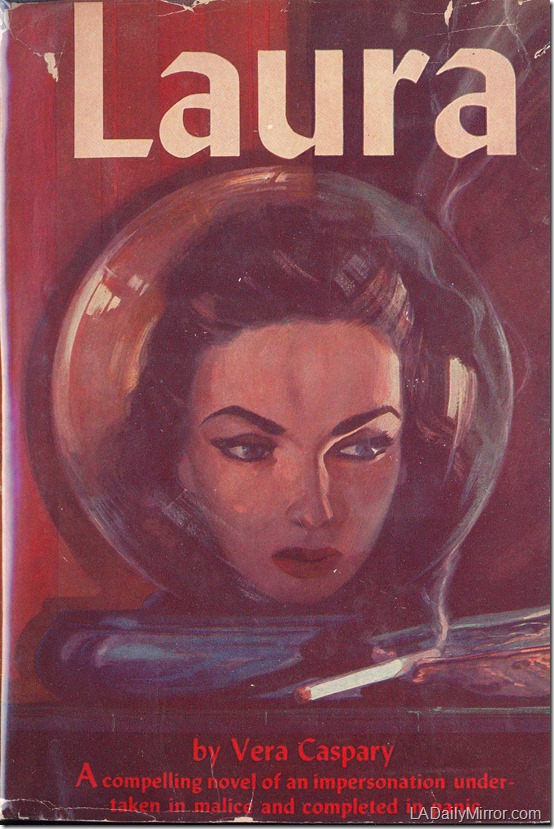
Let’s begin this series of posts on the making of “Laura” with the sale of the screen rights to Twentieth Century-Fox in June 1943 and check in with all our major figures.

The Making of “Laura” Part 1 | Part 2 | Part 3 | Part 4 | Part 5 | Part 6 | Part 7 | Part 8 | Part 9 | Part 10 | Part 11 | | Part 12 | Part 13 | Part 14 | Part 15 | Part 16 | Part 17 | Part 18 | Part 19 | Part 20 | Part 21 | Part 22 | Part 23 | Part 24 | Part 25 | Part 26 | Part 27 | Part 28 | Part 29 | Part 30 | Part 31 | Part 32 | Part 33 | Part 34 | Part 35 | Part 36 | Part 37 | Part 38 | Part 39 | Part 40 | Part 41 | Part 42 

James Ellroy to script remake of ‘Laura’

Continue reading

Posted in 1944, Film, Hollywood | Tagged , , , | Comments Off on ‘Laura’ — The Making of a Film Noir Classic, Part 44

Movieland Mystery Photo (Updated + + + +)

Jan. 10, 2015

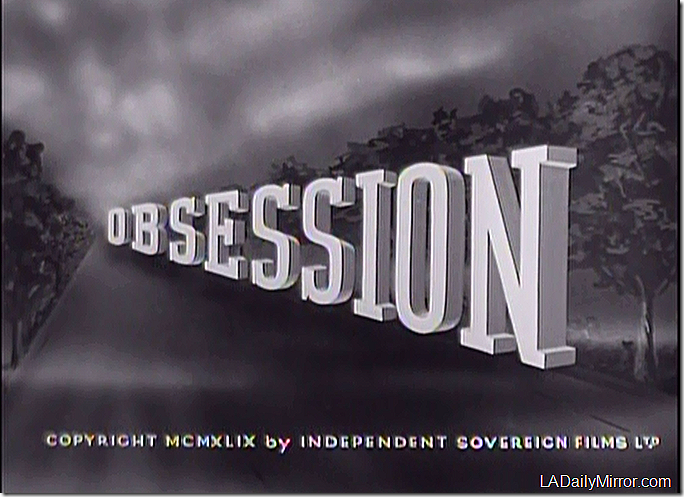
This week’s movie has been the 1949 film “Obsession,” or as it is sometimes known “The Hidden Room.” It was directed by Edward Dmytryk in England while he was blacklisted in Hollywood and stars Robert Newton (Friday’s mystery chap), Sally Gray (Thursday’s mystery woman), Naunton Wayne (Monday’s mystery chap), Phil Brown (Wednesday’s mystery chap) and Olga Lindo (Tuesday’s mystery woman). It was written by Alec Coppel from his book “A Man About a Dog.” Photographed by C. Pennington-Richards, wWith music by Nino Rota.

Continue reading

Posted in Film, Hollywood, Mystery Photo | Tagged , , | 56 Comments

Alexa Foreman: Available for Research

Alexa Foreman, an early member of the L.A. Daily Mirror brain trust, writes that after 20 years at TCM, she is now available to do research projects.

Alexa, a researcher and producer at TCM since it began in 1994,  writes that she has worked with Meryl Streep, Sir John Gielgud, Anthony Hopkins, Lee Grant, Claire Bloom and others on assembling Star of the Month pieces, and interviewed five of the original Munchkins for her documentary “Memories of Oz.” In addition, she has interviewed more than 100 stars, directors, writers and editors for the TCM Archival Project.

She is author of “Women in Motion,” published in 1983, and co-author of “In the Picture: Production Stills From the TCM Archives” from 2004, as well as contributor to “Leading Ladies, Leading Men and Leading Couples.”

Having been with TCM, Alexa is in the Atlanta area, where she can conduct research in a large number of archives not directly related to films, including a branch of the National Archives; the University of Georgia Special Collections, which houses the Johnny Mercer Collection; the Savannah College of Art Design, which has a large collection of Don Bluth material; and Emory University, which has the papers of Seamus Heaney, Ted Hughes, Salman Rushdie and Alice Walker.

Further information is available upon request. You may email her here. Alexa is also on Linkedin.com.

Posted in Film, Hollywood, Libraries | Tagged , , , , | Comments Off on Alexa Foreman: Available for Research

Mary Mallory / Hollywood Heights: Los Angeles Elks’ Temple Highlights Importance of Fraternal Organizations

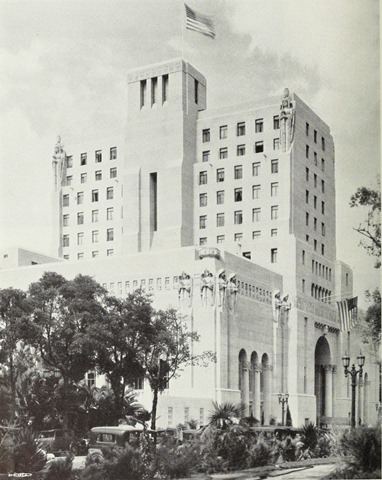
internationalpho04holl_0230
The Elks Temple in an undated photo.


Long a glamorous, outstanding example of Neo-Gothic Architecture and the powerful force of fraternal organizations, Los Angeles’ Elks’ Temple #99 still stands proudly at 607 S. Park View St. across from MacArthur Park. Now mostly an empty shell, the striking building once housed a busy Elks’ Temple that hosted all manner of social groups, an almost holy place that exalted the power of fraternal groups to better living conditions, educational skills, and the ongoing life of their surrounding communities.

The Benevolent and Protective Order of Elks” Lodge #99 was one of Los Angeles’ premiere fraternal and charity organizations, founded in 1888 in downtown Los Angeles. The organization allowed men to gather together in friendship as well as providing services to the community such as allowing children to grow and thrive, feeding and clothing the needy, culturally enriching their neighbors, and honoring American veterans. Originally housed on South Spring Street, the organization outgrew its location in 1908 and moved into a larger, more elegant facility on Third and South Olive Street at the top of Angels’ Flight. By 1920, the organization once again was searching for a new home, and considered buying a couple of properties over the next couple of years.

Mary Mallory’s “Hollywoodland: Tales Lost and Found” is available for the Kindle.

Continue reading

Posted in 1926, Architecture, Hollywood, Hollywood Heights, Mary Mallory | Tagged , , , , | 11 Comments

Holocaust Denial at Archive.org

Holocaust Denial, Archive.org

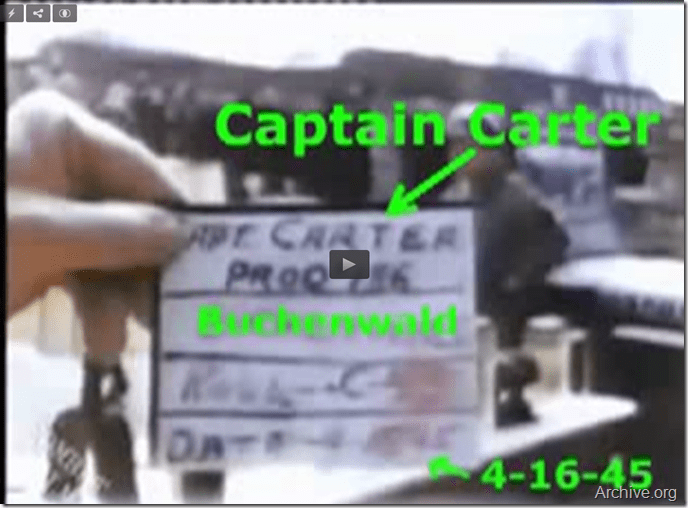
“The Director of the Holocau$t – Khazar Expatriate Billy Wilder” at Archive.org.


For years, I have been looking for the early Billy Wilder film “Menschen am Sonntag.” I finally found it on Archive.org, but along with the film, I discovered some material that’s rather sad and extremely alarming. Some anonymous (of course) filmmaker has concocted a lot of rubbish about Wilder making “propaganda” films that were used to help “fake” the Holocaust. Yes, that’s what I said. In fact, this film is part of a somewhat extensive repository of Holocaust denial material at Archive.org. Not a happy discovery to say the least.
Continue reading

Posted in Film, Hollywood, World War II | Tagged , , , , | 3 Comments

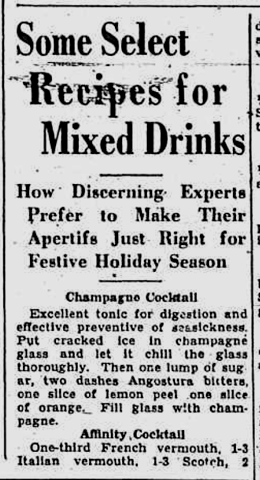
L.A. Daily Mirror Retro Drinking Guide — Pisco Punch

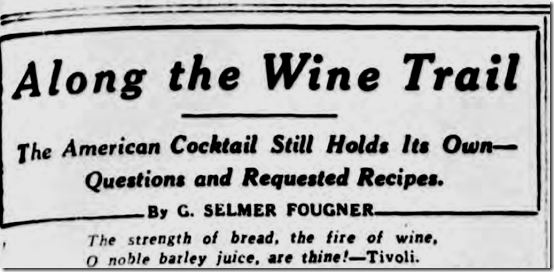
New York Sun, April 23, 1934

Note: This is a repost from 2013.

Just in time for New Year’s, we’ll take a look at a “lost drink,” making a brief inquiry into San Francisco’s Pisco Punch, made famous by Bank Exchange saloon owner Duncan Nicol (often spelled Nichol or Nicoll), who  died in 1926 without revealing the recipe.

Continue reading

Posted in 1915, 1934, 1939, Food and Drink, San Francisco | Tagged , , | 2 Comments

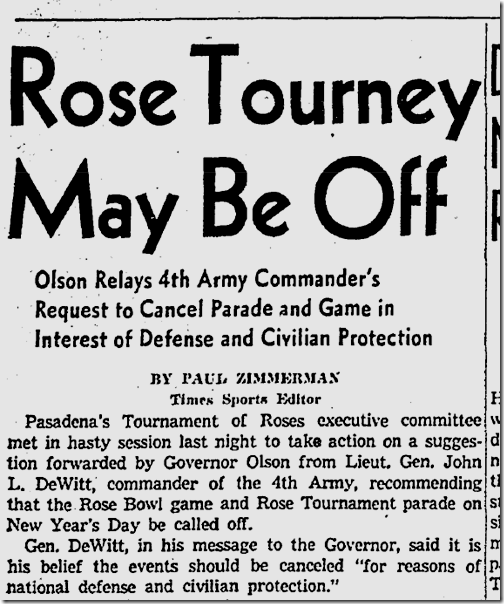
War Cancels Rose Parade, Dec. 14, 1941

Dec. 14, 1941, Tournament of Roses
Dec. 14, 1941, Comics

Dec. 14, 1941, Comics  Dec. 14, 1941, Comics

Note: This is a post from 2011.


Dec. 14, 1941: The Rose Parade is canceled and the Rose Bowl – between Duke and Oregon State – is moved to Durham, N.C. The streets of Pasadena were oddly quiet on New Year’s Day as millions reviewed memories of previous parades in all their glory, The Times said.

Continue reading

Posted in 1941, Art & Artists, Columnists, Comics, Film, Hollywood, Jimmie Fidler, Tom Treanor, World War II | 4 Comments

L.A. Daily Mirror Retro Drinking Guide — The Bronx Cocktail

Dec. 20, 1934, Holiday Cocktails

Dec. 20 1934, Holiday Drinks

Note: This is a repost from 2013.

Dec. 20, 1934: In case you doubted me (but you wouldn’t, would you?), here’s a recipe for the Bronx Cocktail, from the Amsterdam Evening Recorder, courtesy of FultonHistory.com.

In case you plan to mix one up, a Bronx Cocktail is one part Italian vermouth, three parts brandy and a dash of orange bitters. Shake well!

Notice that there are also three variations of the Manhattan.

Continue reading

Posted in 1934, Food and Drink, Suicide | Tagged , | 1 Comment

‘Laura’ — The Making of a Film Noir Classic, Part 43

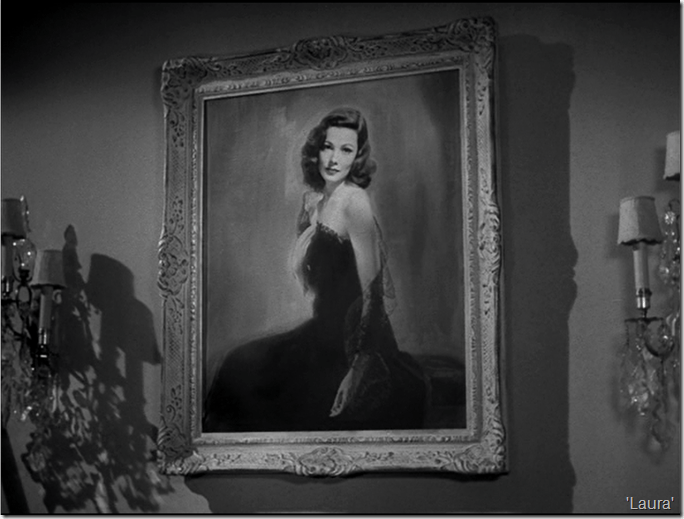
'Laura'

When we watch “Laura” today, all we see is the finished film: The fluid camera work and complex lighting, the elegant production design, the fashionable costumes, the sharp dialogue and the generally first-rate performances, especially by Clifton Webb.

Nothing betrays the movie’s difficult birth: A switch of directors, a constantly changing cast in the months leading up to shooting and most of all, a script that was heavily revised from April to July 1944 by a succession of writers, with several discarded scenes and an entirely new ending.

The Making of “Laura” Part 1 | Part 2 | Part 3 | Part 4 | Part 5 | Part 6 | Part 7 | Part 8 | Part 9 | Part 10 | Part 11 | | Part 12 | Part 13 | Part 14 | Part 15 | Part 16 | Part 17 | Part 18 | Part 19 | Part 20 | Part 21 | Part 22 | Part 23 | Part 24 | Part 25 | Part 26 | Part 27 | Part 28 | Part 29 | Part 30 | Part 31 | Part 32 | Part 33 | Part 34 | Part 35 | Part 36 | Part 37 | Part 38 | Part 39 | Part 40 | Part 41 | Part 42 

James Ellroy to script remake of ‘Laura’

Continue reading

Posted in 1944, Film, Hollywood | Tagged , , , | 3 Comments

L.A. Daily Mirror Retro Drinking Guide — The Brooklyn Cocktail

March 5, 1937, Brooklyn Cocktail

March 7, 1937, Brooklyn Cocktail

Note: This is a repost from 2013.

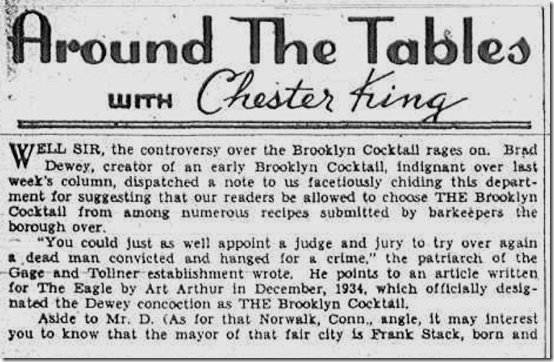
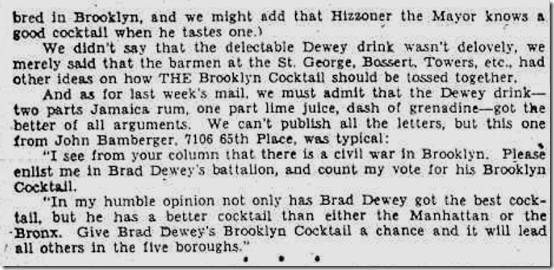
Yes, the Manhattan cocktail once had competition from drinks named for the other boroughs. Here’s a recipe for the Brooklyn Cocktail, from the Brooklyn Daily Eagle, March 7, 1937. The Brooklyn Cocktail as made by Brad Dewey consisted of

Two parts Jamaica rum
One part lime juice
Dash of grenadine

We won’t be toasting the new year with the Brooklyn Cocktail (we’re working) but if someone is brave enough to try one, let us know how it is.

And in case you are wondering, research shows that there was also a Bronx Cocktail. Evidently it, too, has fallen out of favor.

Posted in 1937, Food and Drink | Tagged , | 3 Comments

Movieland Mystery Photo (Updated + + + +)

Jan. 3, 2015, Mystery Photo
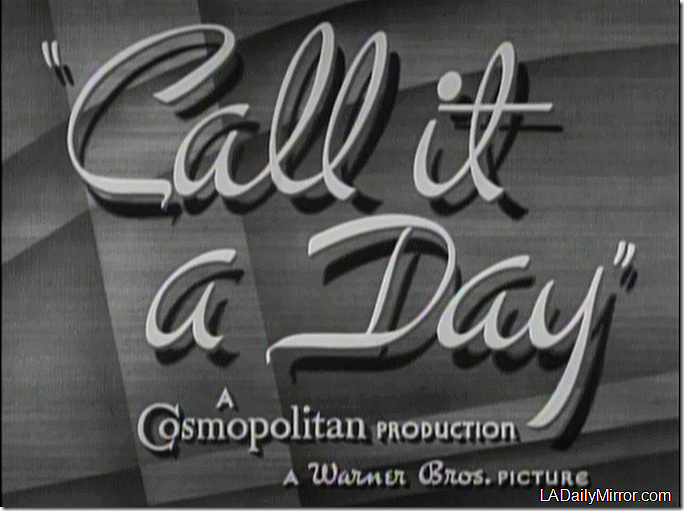
This week’s movie has been the 1937 Warner Bros.’ picture “Call It a Day,” with Olivia De Havilland (Friday’s guest), Ian Hunter (not shown), Anita Louise (not shown), Alice Brady (Wednesday’s guest), Roland Young (Thursday’s guest) and Frieda Inescort (not shown). It was directed by Archie L. Mayo  and written by Casey Robinson from a play by Dodie Smith. Monday’s guest was Elsa Buchanan and Tuesday’s guest was Bonita Granville.

Continue reading

Posted in Film, Hollywood | Tagged , , | 47 Comments

Mary Mallory / Hollywood Heights: Los Angeles Bans ‘The Cabinet of Dr. Caligari’ (Updated)

Cabinet of Dr. Caligari
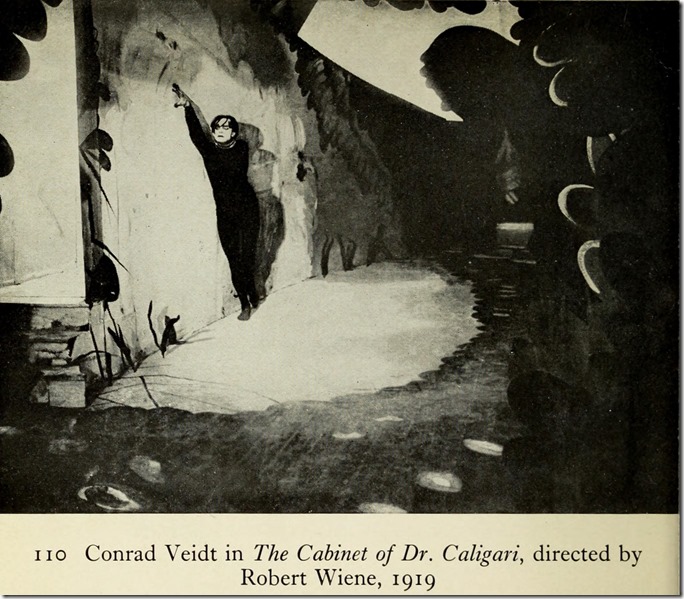
A still from “The Cabinet of Dr. Caligari from “The Movies Come From America.”


Update: A reader on the film site, Nitrateville, pointed out that novelist Upton Sinclair wrote about the protest at “The Cabinet of Dr. Caligari” in his short story/novel, “They Call Me Carpenter: Tale of the Second Coming,” for Hearst International in 1922.

As with most of his writing, he points out the political and social aspects of the protest, that it was not so much about German propaganda, as it was protesting imports that might hurt American business if they were better products. An early dig at the film industry working to try and stop foreign competition might have come back to hurt him when he ran for Governor of California in the 1930s, and the industry worked to smear him and his reputation.

Sinclair describes the scene as his character decides to go to Western City’s Excelsior Theatre on Broadway with his friend, German professor, Dr. Henner, to see a German film that Henner recommended.

They see a large crowd out front, and realize they’re dressed in military uniforms, pushing and yelling at patrons attempting to enter the theatre. Dr. Henner decides to hang back, but the protagonist asks a bystander why the crowd is doing this, and he replies, “Because it’s Hun propaganda.” He breaks through the crowd to get in and asks the man at the door of the theatre if the film is propaganda. The theatre worker replies, “They say they won’t let us show German pictures, because they’re so much cheaper; they’ll put American-made pictures out of business, and it’s unfair competition.”

After watching the film, he realizes how different it is from American films, with the futuristic sets taking him into the dreams and mind of a mad man. He thought it was very interesting and contained fine acting.

Exiting the theatre, he hears the protesters shouting that watchers are sending money to the Germans watching the film, sending their cash to the enemy rather than helping starving Americans. He describes the scene as a mad scene, almost like something out of the movie. He tries to get away, but they start beating and kicking at him, calling him a traitor as he runs for cover.

In effect, he describes how the film industry helped manipulate Anti-German opinion to their own benefit in banning “The Cabinet of Dr. Caligari” from playing in Los Angeles’ Miller’s Theatre in his fictional account.

Over the last few weeks, news of Sony Studios pulling “The Interview” from film theaters after threats by the Guardians of Peace (GOP), who may or may not be North Korea, flooded the internet. After suggestions of possible 9-11 style attacks on cinemas that might show the film, exhibitors quickly cancelled tit, and it appeared “The Interview” might possibly never be seen. The artistic community scoffed at Sony’s abandoning freedom of speech. It appears as of Tuesday, December 23, 2014, that independent exhibitors approached Sony (or vice versa) and now the film will open in perhaps 200 theaters on Christmas Day.

In May 1921, however, Los Angeles residents caused such a ruckus that the German Expressionist film, “The Cabinet of Dr. Caligari,” was pulled from Miller’s Theatre, never seen in the city until six years later. This time, creative organizations worked to try and ban all German films from the United States, which would have been a terrible blow to freedom of speech and expression.

Mary Mallory’s “Hollywoodland: Tales Lost and Found” is available for the Kindle.

Continue reading

Posted in 1921, 1922, Film, Hollywood, Hollywood Heights, Mary Mallory | Tagged , , , , , , | 5 Comments

Not on Netflix: ‘Batman’ and ‘Day the Earth Stood Still’

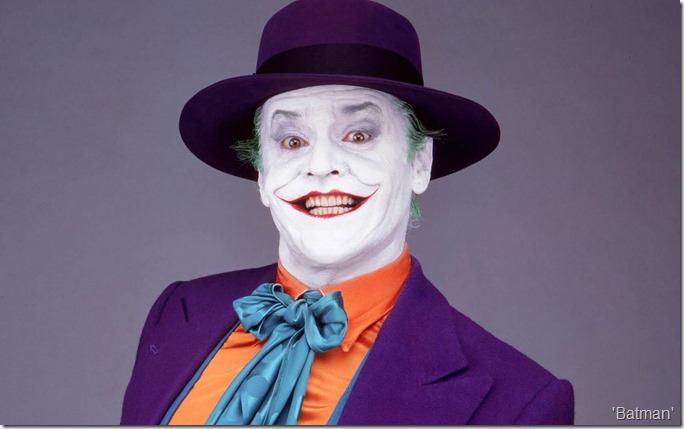
"Batman"

The Joker isn’t kidding this time. Batman really is disappearing!


“Batman” will join the Not on Netflix brigade starting Jan. 1, according to Moviefone.

Also disappearing from Netflix’s streaming service are “12 Angry Men,” “Carrie,” “The Day the Earth Stood Still,” “Guess Who’s Coming to Dinner,” “Journey to the Center of the Earth,” “Kramer vs. Kramer,” “The Longest Yard,” “Manhattan,” “Mr. Smith Goes to Washington,” “Roman Holiday” and “Titanic.”

Every month, to make way for new fare, Netflix removes films from its streaming catalog.

In December, Netflix dropped “Five Easy Pieces” and “Reds,” Moviefone said. And in November, Netflix pulled “Apocalypse Now,” “Butch Cassidy and the Sundance Kid,” “Footloose” and “The Good, the Bad and the Ugly,” according to Now Streaming.

Of course, we’re old school at the Daily Mirror, so our collection is on DVDs and we are unaffected, but it does show the problems with moving to streaming video.

Posted in Film, Hollywood | Tagged , , | 2 Comments

L.A. Daily Mirror Retro Drinking Guide: The Harvey Wallbanger

Harvey Wallbagner

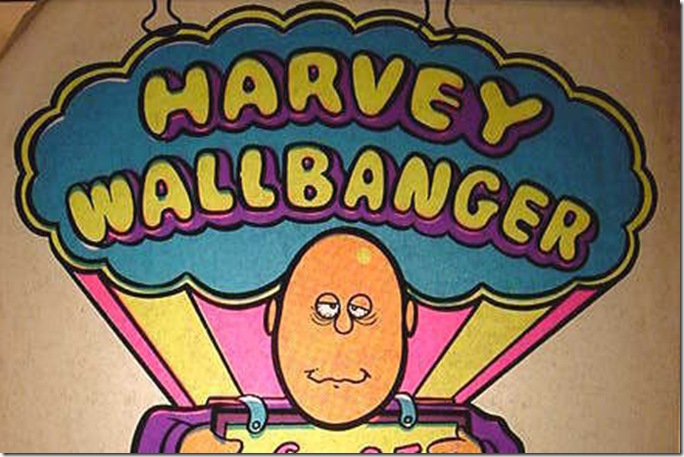
A vintage 1972 iron-on transfer of Harvey Wallbanger himself, on EBay for $12.


Note: This is a repost from 2013.

We have been looking at some historic drinks for this holiday season. To the millennials in the audience: This is what mom and dad used to drink (along with the Tequila Sunrise) when they went out in the 1970s.

Return with us now to the thrilling days of yesteryear:

1 ounce of vodka
4 ounces of orange juice
half an ounce of Galliano.

Poured over ice in a highball glass.

Cue Grand Funk Railroad’s “Gimme Shelter” or Carole King’s “It’s Too Late.”

Posted in 1971, Food and Drink, Music | Tagged , | Comments Off on L.A. Daily Mirror Retro Drinking Guide: The Harvey Wallbanger

Ray Bradbury’s Unrealized Opera: ‘Leviathan ‘99’

Ray Bradbury 'Leviathan '99'

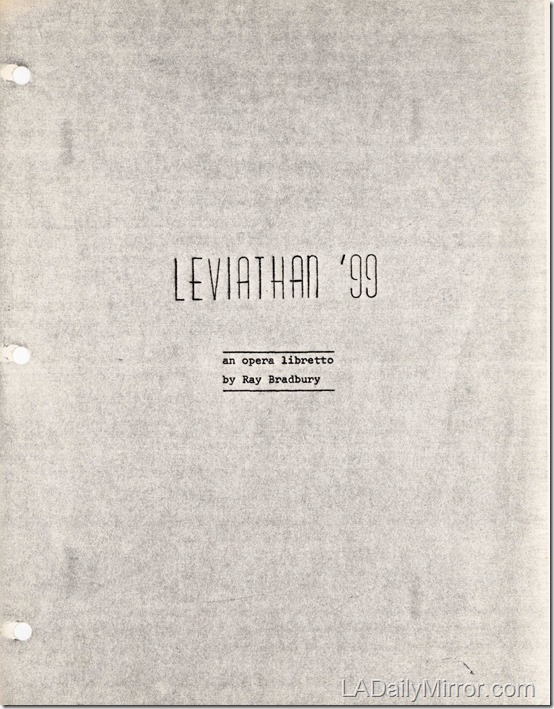
Since Ray Bradbury died in 2012, I have been rummaging around the Daily Mirror archives in a frustrating search for a copy of his libretto for an opera titled “Leviathan ’99,” which I obtained many years ago when I was working for the Arizona Daily Star in Tucson and covering the Arizona Opera Company.

I finally found it (while looking for something else, of course) and thought I would write a brief post about it.

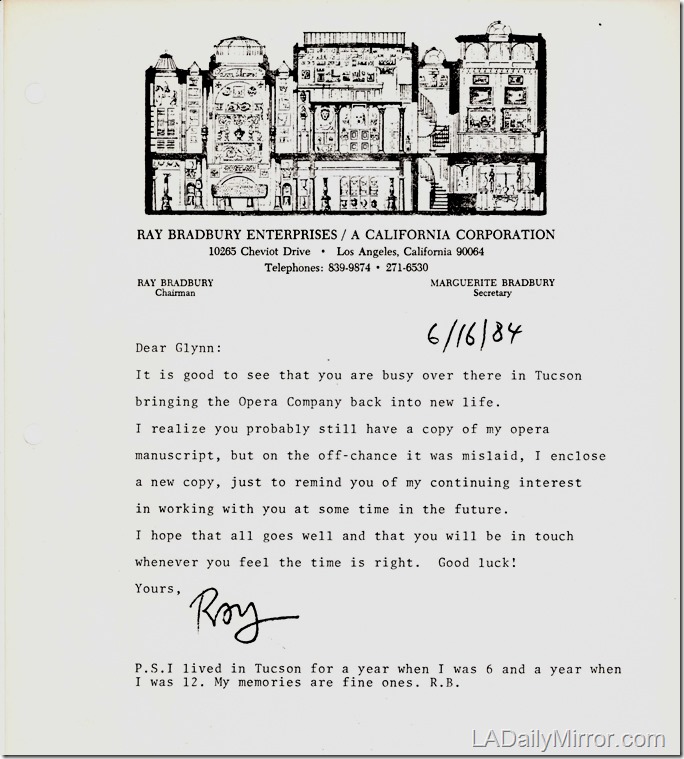
I don’t recall the precise circumstances under which I was able to make a photocopy of the libretto. It might have been loaned to me by the late Glynn Ross, who was then head of the opera company. Notice that in the attached cover letter to Ross, Bradbury refers to living in Tucson. It’s also possible that I borrowed the libretto  — just long enough to make a photocopy — from a composer friend who was in informal discussions with Ross about writing the music. As I recall, I don’t believe my friend ever wrote a note of music for a production.

The script runs 100 pages and was bound like a movie script, and the format is much like a screenplay. A copy is apparently in the Center for Ray Bradbury Studies at Indiana University.

Bradbury "Leviathan '99"

As far as I can determine, “Leviathan ’99” never became an opera. Apparently it was done as a radio drama in 2009.

Posted in 1984, Books and Authors, Music | Tagged , , , , , | 1 Comment

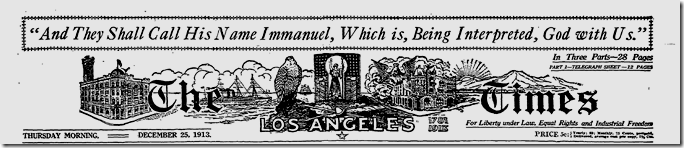
Los Angeles Celebrates Christmas, 1913

Dec. 25, 1913, Christmas in Los Angeles

Dec. 25, 1913, Christmas

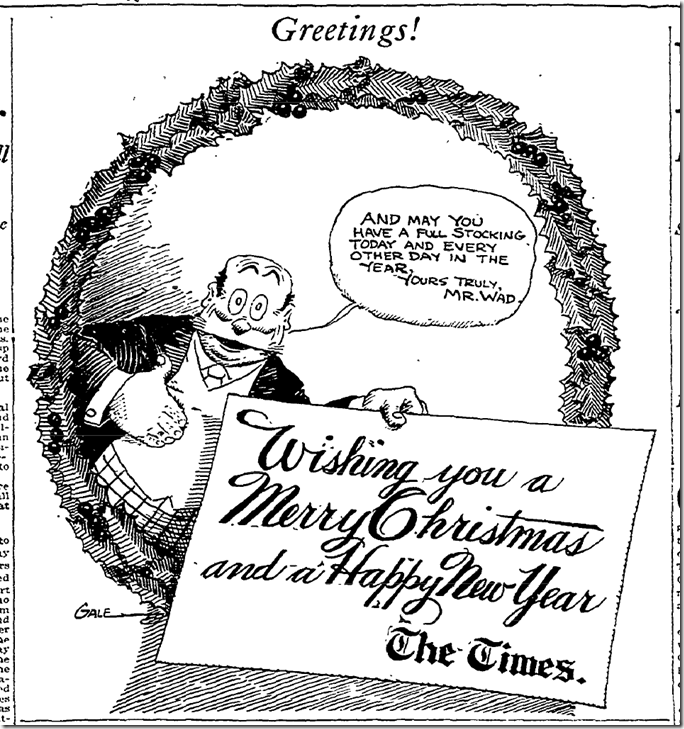
Dec. 25, 1913: The Times carries a biblical passage across the nameplate (notice the artwork of the new and old Times buildings) and a Page 1 cartoon by Edmund Waller “Ted” Gale. “Cartoonist Gale” frequently drew a character known as Miss Los Angeles, but I don’t recall seeing “Mr. Wad” before. Gale was an institution at The Times for many years, but finally quit in a dispute and went to the Los Angeles Examiner.

One way Los Angeles celebrated Christmas 100 years ago was dinner at the Cafe Bristol, Spring and 4th streets.  The 50-cent luncheon deluxe would be $11.80 today.

Or one could take a refreshing, invigorating bath at Melrose Avenue and Gower Street, location of the Radium Sulphur Springs, which advertises: Drink the most radioactive natural curative mineral water.

And there’s a poem by Britain’s poet laureate, Robert Bridges, which you may recognize because John Denver turned it into a song, “Christmas Eve, 1913.”

Best wishes from the Los Angeles Daily Mirror.

Continue reading

Posted in 1913, Art & Artists, Food and Drink, Medicine | Tagged , , , , | 5 Comments

Mayor Garcetti Fires Up the Lindbergh Beacon

Dec. 24, 2014, Lindbergh Beacon

And yes, here is the Lindberg beacon atop City Hall, illuminating the skies over Los Angeles for Christmas Eve 2014.

Posted in 2014, City Hall, Downtown | Tagged , , | 2 Comments