Mary Mallory / Hollywood Heights — Los Angeles’ Forgotten J. B. Lankershim Monument

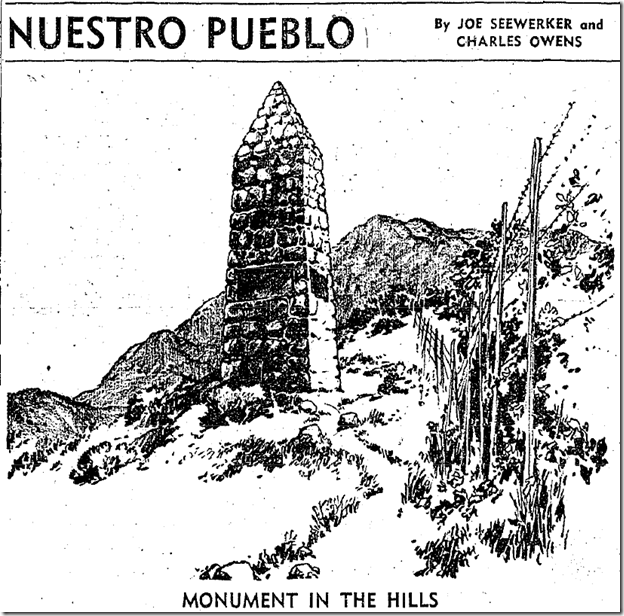
image Charles Owens’ drawing of the Lankershim monument in “Nuestro Pueblo.”


Los Angeles’ Boy Scout Camp Arthur Letts is a distant memory today, a large getaway in the Hollywood Hills offering camping, drilling and country escapes by area Boy Scout troops. Also largely forgotten is the monument built on its property to recognize the burial place of early San Fernando Valley founder, J. B. Lankershim. While the camp is long gone, the simple J. B. Lankershim Monument still forlornly stands on a narrow strip of land left over from Scouting days, a monument to a simpler time.

Lankershim, son of powerful Los Angeles’ resident Isaac Lankershim, who owned 62,000 acres in the San Fernando Valley, the southern half of what had originally been Rancho Mission San Fernando, was a prominent businessman and real estate promoter. He moved to the San Fernando Valley to help his father manage their vast property, and in 1887, led a syndicate to purchase 12,000 acres from the Lankershim Farming and Milling Co. north of the Cahuenga Pass, forming the small village of Toluca (later Lankershim, and now known as North Hollywood).

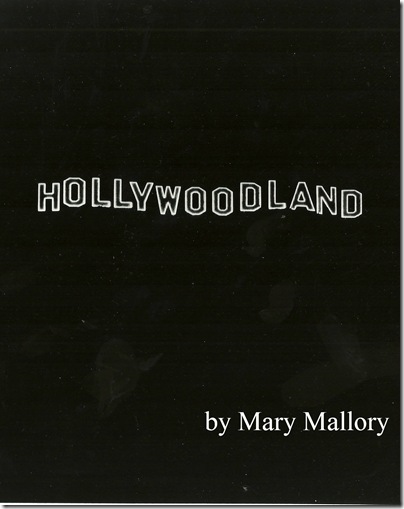
Mary Mallory’s ebook of her first “Hollywood Heights” posts, titled “Hollywoodland” is now available on Amazon.

Continue reading

Posted in 1921, 1939, Art & Artists, Books and Authors, Hollywood, Hollywood Heights, Mary Mallory, Nuestro Pueblo, San Fernando Valley | Tagged , , , , | Comments Off on Mary Mallory / Hollywood Heights — Los Angeles’ Forgotten J. B. Lankershim Monument

‘Headline Happy’ by Florabel Muir

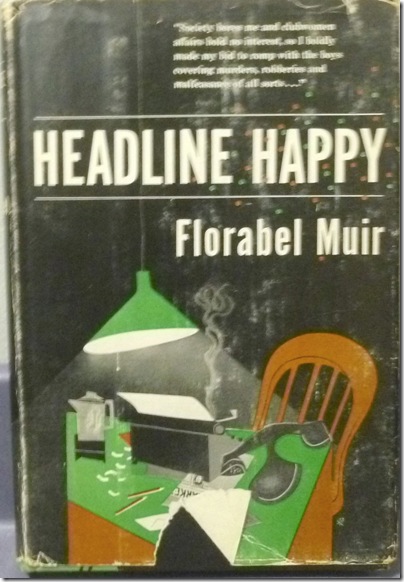
Headline Happy

A copy of Florabel Muir’s “Headline Happy” has been listed on EBay for $75. Muir’s book is interesting, and tends to be priced high, but I would never pay that kind of money for a copy – especially with a ripped dustjacket.

Muir covers some of the same ground as Aggie Underwood’s “Newspaperwoman,” but I tend to like “Headline Happy” a bit better. One of my favorite sections is her description of the Bugsy Siegel crime scene, especially getting his blood on her satin evening slippers.  James Richardson also writes about Siegel in “For the Life of Me,” if you’re going for a trifecta of memoirs by Los Angeles journalists.

Those who are on a tight budget can do their book shopping here.

Posted in 1950, Books and Authors, Crime and Courts, Film, Hollywood | Tagged , , , | Comments Off on ‘Headline Happy’ by Florabel Muir

Black Dahlia and ‘Double Indemnity’ – KCET Gets It Way Wrong

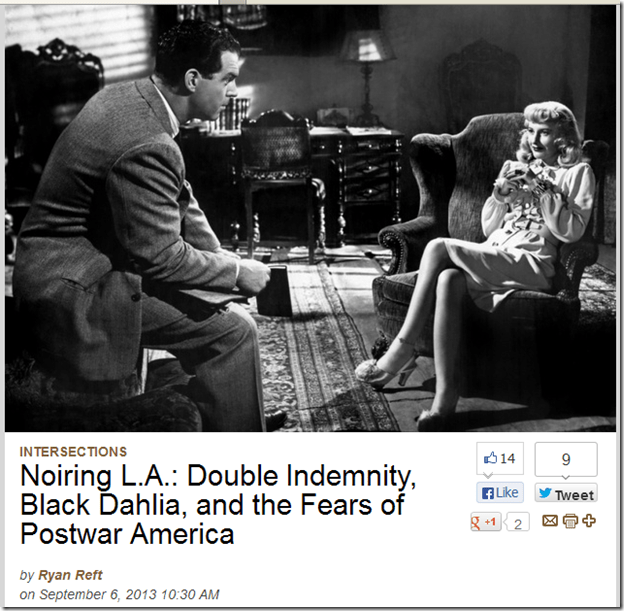
"Double Indemnity" "Black Dahlia"

Is it really possible to write about the film “Double Indemnity” without mentioning Raymond Chandler, who collaborated on the screenplay, or James M. Cain, who wrote the book that was the basis for the film?

Sadly, Ryan Reft (identified as a doctoral candidate in urban history at UC San Diego) proves that it is.  Just not very well.

Frankly, I didn’t get much further than his first paragraph:

“Hold tight to that cheap cigar of yours Keyes. I killed Dietrichson, me, Walter Neff, insurance salesman, 35 years old, unmarried, no visible scars, until recently that is.” Fred McMurray’s mortally wounded protagonist of “Double Indemnity” confesses to his supervisor Barton Keyes’ (Edward G. Robinson) memo recorder. A suburban insurance salesman seduced by a married seductress, Neff represented one man’s “descent into moral blackness” as he lies, cheats, and murders to reach an illusionary objective. Indeed, McMurray’s portrayal of the rakish Pacific All Risk insurance ace in Billy Wilder’s 1944 noir classic remains a precedent-setting standard of excellence in the genre and, more specifically, of the Los Angeles variety.

Statements like this makes me wonder if he has even seen the movie or done any research.

Anyone who knows anything about the production of “Double Indemnity” knows that the original ending had Walter Neff (Fred MacMurray not McMurray) in the gas chamber – so obviously Neff wasn’t “mortally wounded.”

Neff uses a Dictaphone, not a “memo recorder.” And there is nothing suburban about Neff – if you’ll recall from the movie, he lives in a large apartment house. The script says:  “The apartment house is called the LOS OLIVOS APARTMENTS. It is a six-story building in the Normandie-Wilshire district.” Barton Keyes (Edward G. Robinson) isn’t Neff’s supervisor. Neff is a salesman and Keyes is the claims manager, one of the key elements of the plot.

There’s even an error in the quote from the film – but I’ll let you hunt for it.

But that’s not why I am taking Reft to task. It’s this paragraph:

Three years after Double Indemnity’s release, Leimert Park residents witnessed the gruesome and still unsolved Black Dahlia murder, symbolizing the very fears [Eric] Avila pointed out. Though at the time a white, middle and working class, enclave, Leimert Park had begun to attract black homeowners, contravening spatialized racial boundaries. The pretty, fame seeking, Midwestern victim, Elizabeth Smart served as a real life symbol of the perils of interracial mixing, the collapse of gender roles, and the dark corners of the noir metropolis. Taken with the movies of German émigré Billy Wilder, the aforementioned “Double Indemnity” and the Black Dahlia murder underscore white America’s discomfort with an increasingly diverse City of Angels, and noir’s role in securing this preconception.

No, the Black Dahlia wasn’t from the Midwest and her name wasn’t Elizabeth Smart. And there were no racial overtones or “collapse of gender roles” involved in this killing.

None.

Even when he refers to the Black Dahlia by her correct name in a quote, he turns around and calls her “Smart” again and again:

“Elizabeth short was a pale pie faced blue eyed Protestant girl from the suburbs of Boston, MA,” writer James Ellroy told documentarians in 2006. “Her dream was entirely silly, and was the dream of countless other fatuous girls of the American 1940s. She wanted to be an actress. She wanted to be a movie star.” While Ellroy’s description of Smart, aka The Black Dahlia, sounds fairly dismissive, the noir author confessed to his own fascination with the girl and her demise, as evidenced by his 1987 work “The Black Dahilia (L.A. Quartet #1).” Though Ellroy’s obsession with the case stemmed from his own mother’s brutal unsolved murder, Angelenos of the period feasted on the story as a result of many of the same issues at play in Wilder’s “Double Indemnity.”

Not really. The plot in “Double Indemnity” involves a romantic triangle and murder for profit through insurance fraud. The Black Dahlia case is nothing like that whatsoever.

Every time I look at his piece I see more mistakes, but I’m going to quit. My head hurts.

Posted in 1944, 1947, Black Dahlia, Film, Hollywood, LAPD | Tagged , , , , , | 10 Comments

Mary Mallory’s ‘Hollywoodland’ Now Available at Amazon

Mary Mallory "Hollywoodland"

The L.A. Daily Mirror is very pleased to announce that Mary Mallory has collected her first entries in the Hollywood Heights series — with additional content — into an ebook that is now available on Amazon. The book is available in the Kindle format and is also readable on other devices with Amazon software that enables people to read Kindle books on a PC, Mac, iPad, iPhone, etc.

“Hollywoodland” is $7.99. I should note that because these posts have been collected into an ebook, Amazon requires that the content cannot be available for free on the Internet. Therefore, these posts have been removed from the blog.

Please support Mary’s latest effort. I have encouraged her throughout the process and am hoping “Hollywoodland” will be a success.

Posted in Books and Authors, Film, Hollywood, Hollywood Heights, Mary Mallory | Tagged , , , , , , | 1 Comment

Mary Mallory / Hollywood Heights – Cinecon 2013, Part 2

suddenly_its_spring_ebay_01
A still from “Suddenly It’s Spring” has been listed on EBay with a price of $9.35.


Labor Day weekend at Cinecon is jam-packed with movies all day. For the first time, Saturday’s session began a little later at noon, and ran until midnight.

The short “A Fresh Start” (1920) featured Jimmie Adams and Lige Conley chasing showgirl Marvel Rea from the cabaret at which they work. Chase sequences ensue from her husband, a policeman, through the boarding house, park, and through the original LA Zoo, where lions get in on the act.

The Jane Withers’ film, “The Holy Terror” (1937) was a fun if predictable musical with Jane as a naval officer’s daughter who hangs around with the enlisted men putting on shows and singing musical numbers, but who end up saving the secret plane from spies. Images of the Fox back lot and an airport were visible.

Continue reading

Posted in Film, Hollywood, Hollywood Heights, Mary Mallory | Tagged , , , , , | 1 Comment

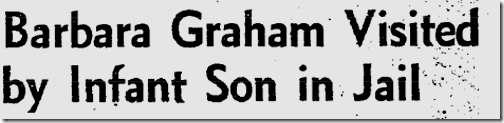
Barbara Graham Sobs During Son’s Visit to Jail

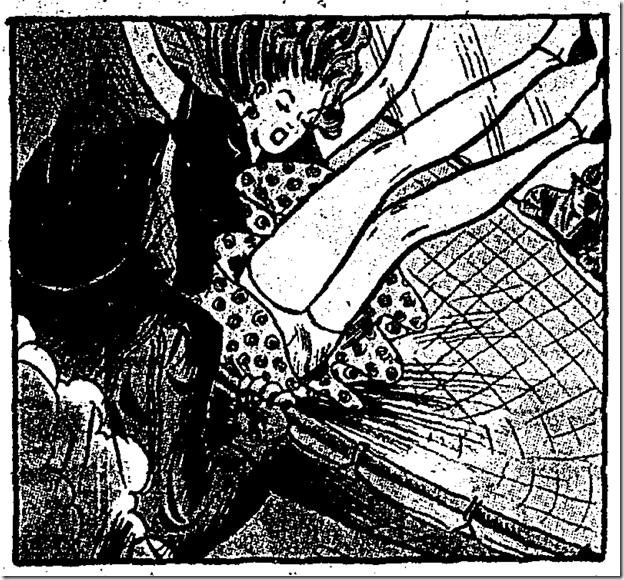
Sept. 6, 1953, Comics
Sept. 6, 1953, Barbara Graham

Sept. 6, 1953: Barbara Graham, on trial in the Mabel Monahan killing, sobs “almost hysterically” as she holds her 18-month-old son, Tommy, during a visit at the Hall of Justice, The Times says. He was in the custody of his grandmother Anne Webb.

Bessie Lill, veteran court reporter, retires after 34 years at the age of 70. Lill worked mostly in civil court and said one of her most interesting cases was “the old water litigation in the 1920s when much of California’s water law was written.” Lill used the Pitman method of shorthand, she says. No stenographic machine for her!

Continue reading

Posted in Art & Artists, Comics, Crime and Courts, Downtown, Film, Hill Street, Obituaries | Tagged , , , , , , | 3 Comments

Mary Mallory / Hollywood Heights — Cinecon 2013, Part 1

image
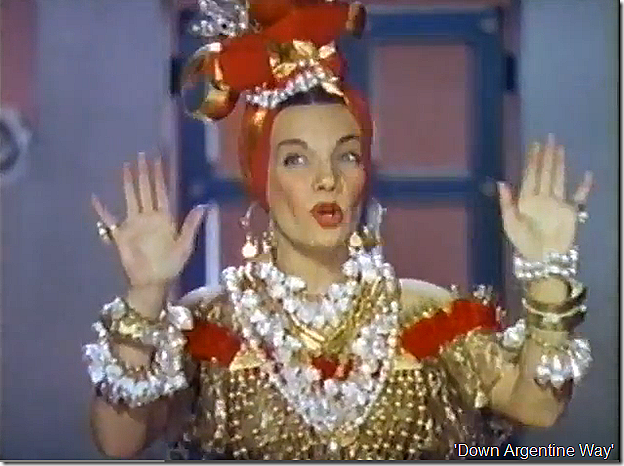
Featured at Cinecon: Carmen Miranda in “Down Argentine Way.”


Another year, another Cinecon. A jam-packed schedule of watching films, sharing meals, and trying to catch up with friends from far and near during the five days. Cinecon, a 49-year-old film festival, shows rare and rarely screened silent and sound motion pictures from the classic studio era, many never exhibited since their original releases.

Though selected films are not chosen by themes or subjects, many unexpected themes, subjects, and plot points pop up during the run of a festival. This year’s Cinecon dealt with naughty pet monkeys, paintings over the head, transportation, attempted deceptions and betrayals, forbidden love, and political and social issues during its first three days.

Continue reading

Posted in Film, Hollywood, Mary Mallory | Tagged , , , , | 4 Comments

Union Pleads With Streetcar Workers Not to Strike

Sept. 5, 1943, Comics

image

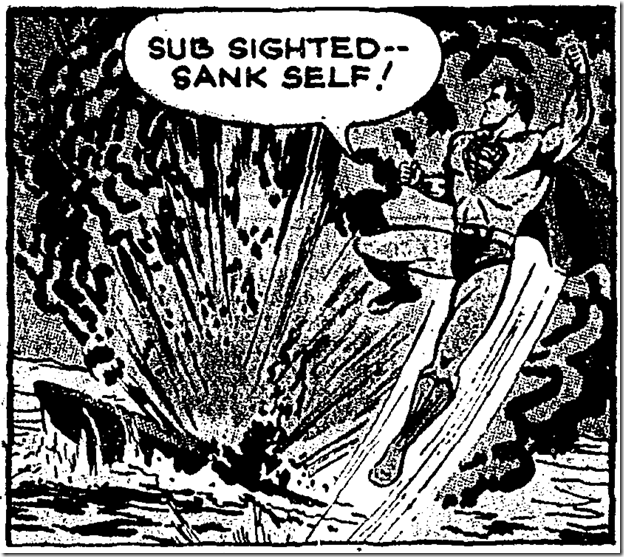
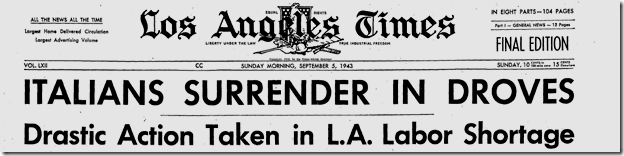
Sept. 5, 1943: Explaining that “war strategies between President Roosevelt and Britain’s Prime Minister Churchill come first,” William P. Nutter of the Brotherhood of Railway Trainmen pleads with dissatisfied employees of the Pacific Electric Railway to stay on the job.

At issue is a raise approved for streetcar employees that is higher than permitted under wartime wage-price restrictions.

With an acute labor shortage in Los Angeles and the impasse over raises, eight to 10 streetcar employees are quitting every day to take more lucrative jobs, a union official says.

P.B. Harris, head of the Los Angeles Street Railway Co., says the company is hiring every day but cannot keep up with the number of workers who are quitting.

“The bus situation is not as bad,” he says.

Among the best sellers in Los Angeles: “The Robe,” by Lloyd C. Douglas and “One World” by Wendell L. Wilkie.

Times columnist Lee Shippey begins a series of lectures at the Broadway in Hollywood. His first is “What Shall We Do About Russia.”

Hedda Hopper profiles Wallace Beery and says: “The real boss of the Beery home is Carol Ann Beery, his adopted daughter. They’re inseparable. If Wally is dumb like a fox, Carol Ann is dumb like two foxes.”

Continue reading

Posted in 1943, Art & Artists, Columnists, Comics, Film, Hollywood, Lee Shippey, Streetcars, Transportation, World War II | Tagged , , , , , | Comments Off on Union Pleads With Streetcar Workers Not to Strike

Our Sainted Streetcars – Glendale Edition

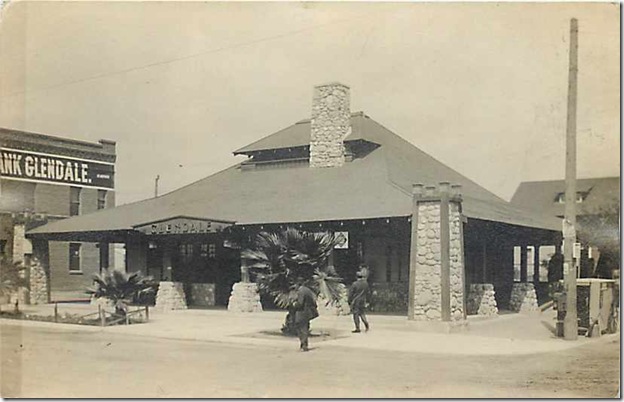
Glendale Depot

A postcard showing what the vendor says is a depot for the Los Angeles and Glendale Electric Interurban Railway system has been listed on EBay. Bidding starts at $249.99.

Times clips show that by 1904, the Los Angeles and Glendale Railway Co. had been absorbed by the Interurban Railway Co. The clipping also shows that a judge issued a restraining order to stop the laying of rails on 3rd Street between Figueroa and Flower. The complaint filed by the city says that the Interurban Railway Co. was laying tracks without a right, permit or franchise.

Welcome to another page in the checkered history of Los Angeles’ sainted streetcar system.

Continue reading

Posted in 1904, Downtown, Found on EBay, Streetcars, Transportation | Tagged , , , , | 4 Comments

Downtown L.A. — Street Artist (Updated)

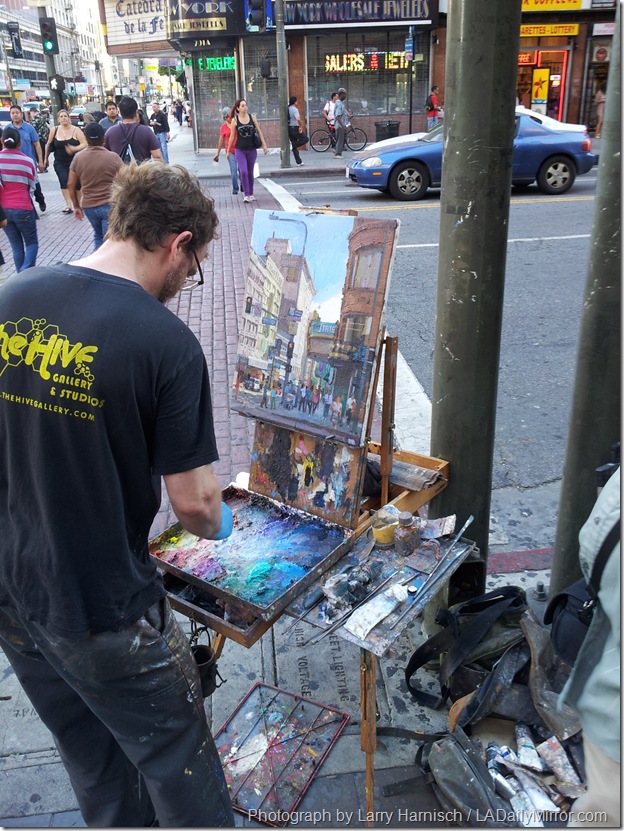
Sept. 3, 2013, Street Artist

I came across this street artist last evening while walking in downtown Los Angeles. He’s painting a street scene of the corner of Broadway and 7th Street.

Update: Ed Fuentes identifies our artist: “Alex Schaefer. And he has a show opening soon at District Gallery (3rd and Traction).”

Thanks, Ed!

Here’s a close-up of his work:

Continue reading

Posted in 2013, Architecture, Art & Artists, Broadway, Downtown | Tagged , , , , , | 3 Comments

Man Kills Wife and Daughter, Commits Suicide Over Pink Bedroom

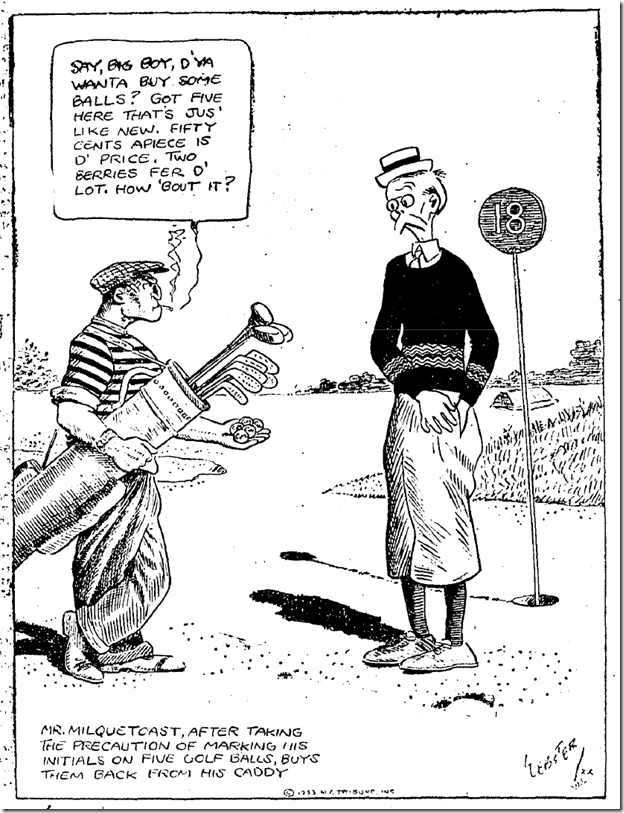
Sept. 4, 1933, Comics

Sept. 4, 1933, Streetcar Crash
Sept. 4, 1933: A streetcar broadsides an auto at the crossing on Olympic Boulevard between Broadway and Figueroa, killing two people and leaving two others near death, The Times said.

A man fatally stabs his estranged wife and daughter, then slits his throat after an argument because his wife had the bedroom painted pink.

The vice squad raids the Cock Roost in North Hollywood, a club on South Main and the Tia Juana Inn at 1150 Santa Monica Boulevard. Police arrested 13 people on assorted charges of gambling and liquor violations. More than 100 clubs have been raided since the vice squad began raids less than a week ago.

Seven young women come to Hollywood seeking stardom in a “film experiment.” You have never heard of any of them.

Erich von Stroheim’s third wife, Valerie, is in the hospital after being badly burned in a bizarre accident when she went for a shampoo and manicure at Jim’s Beauty Shop, 6769 Sunset Blvd. The Stroheims met during the filming of “The Heart of Humanity.”

Continue reading

Posted in 1933, Art & Artists, Comics, Downtown, Film, Homicide, LAPD, Main Street, Nightclubs, San Fernando Valley, Streetcars, Suicide, Transportation | Tagged , , , , , | 9 Comments

Tempest Storm at the Follies Burlesque

Tempest Storm

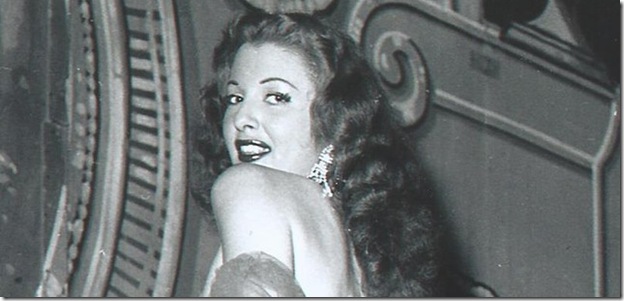
An undated photo of the famous Tempest Storm at the Follies Burlesque in Los Angeles – which reveals more than I am showing here – has been listed on EBay. Bidding starts at $17.95.

Posted in Dance, Downtown, Found on EBay, Main Street, Theaters | Tagged , , , | 1 Comment

On the Frontiers of Medicine

1863_0905_Los_Angeles_Star_Page1
The complete Sept. 5, 1863, edition of the Los Angeles Star is available at USC and the California Digital Newspaper Collection.

1863_0905_Los_Angeles_Star_Page1

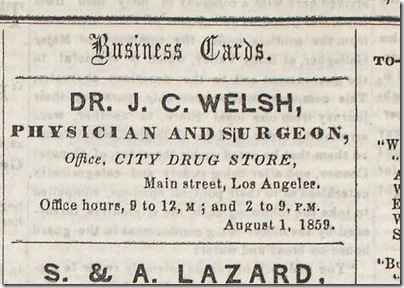
Sept. 5, 1863: Dr. J.C. Welsh is apparently too early to be listed in George H. Kress’ “A History of the Medical Profession in Southern California” (1910) — either that or the entry on him was lost when the material for the first edition of the book was destroyed in The Times bombing.

However, he does appear as Dr. J.C. Welch in Harris Newmark’s “Sixty Years in Southern California.”

Newmark says Welsh was a South Carolinian and a partner with Dr. H.R. Myles in a drugstore on Main Street. Welsh arrived in Los Angeles in the early 1850s died in August 1869, Newmark says.

Born: A son to Dr. and Mrs. J.B. Winton.

Married: Robert Withington and Rachel M. Freeman; Robert Tounget and Rachel Malone.

Died: State Sen. J.R. Vineyard; E.M. Bennet; Alice Fears

Continue reading

Posted in 1863, Medicine, Obituaries | Tagged , , | Comments Off on On the Frontiers of Medicine

Movieland Mystery Photo (Updated +++)

Sept. 2, 2013, Mystery Photo

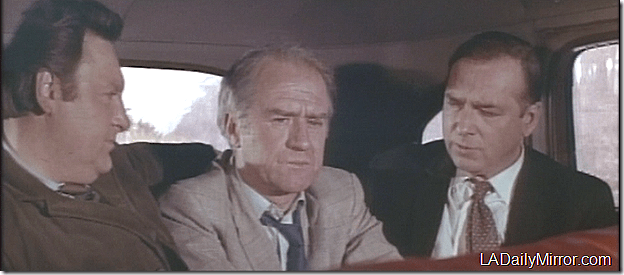
And for Monday, three mystery gents.

Continue reading

Posted in Film, Hollywood, Mystery Photo | Tagged , , , | 36 Comments

Mason Opera House – a Lost Landmark

Mason Opera House

Downtown hipsters know the spot at 1st Street and Broadway as a big hole in the ground, where construction seems to be getting underway. More mature Angelenos may recall the 1950s Cold War monstrosity that was demolished after being damaged in the Northridge earthquake.

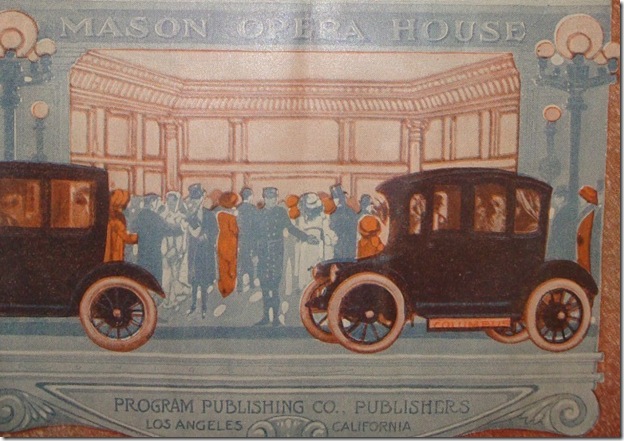
Prior to that, however, one of the buildings that occupied the southwest corner of the intersection was the Mason Opera House. Here’s a program from the Mason, dated 1913. It’s priced at $49, which is more than I would pay (I have a couple of programs), but they are interesting old curious.

Here’s a YouTube film I did on the Mason in 2006 for the 1947project. Unfortunately, since YouTube was acquired by Google, the video has been stretched so the aspect ratio is wrong.

Posted in 1913, Architecture, Broadway, Downtown, Found on EBay, Preservation, Theaters | Tagged , , , , , , | 2 Comments

Mary Mallory / Hollywood Heights — The Three Lives Of Villa Aurora

Feb. 5, 1928, Villa Aurora

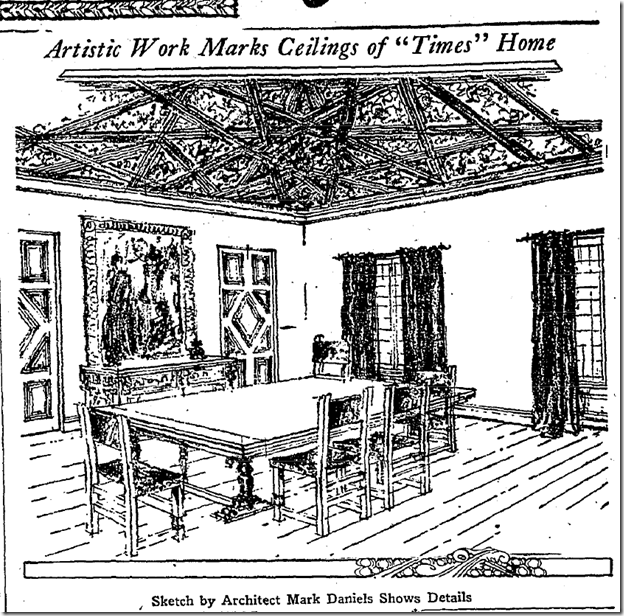
Cats have nine lives. People often experience second or third acts in their lives or careers. Some homes have multiple lives as well, like Villa Aurora, which has experienced three diverse lives, bringing knowledge and refuge to those who come through its doors. Opened in 1928, the Villa began life as a Los Angeles Times Demonstration Home, later housed German Jewish expatriates Lion and Maria Feuchtwanger, and now serves as residence for fellowship artists from around the world to freely create new works.

In the Oct. 1, 1926, Los Angeles Times, Santa Monica Judge Arthur A. Weber, George W. Ley, Edward Haas, and other investors announced they had spent $3 million to acquire 847 acres overlooking the Pacific Ocean over what was then called Beverly Boulevard (now Sunset Boulevard), not far from Ocean Highway, to establish Miramar Estates. Their development would offer homes reminiscent of the Mediterranean because of the property’s gorgeous panoramic views that resembled those of Naples or Nice. Mark Daniels, former assistant secretary of in the Interior, superintendent of national parks, and renowned Los Angeles architect of what is now Hotel Bel-Air, the clubhouse of Hollywood Riviera Beach Club, and many Bel-Air homes, was hired to design homes in the development.

Continue reading

Posted in 1928, Architecture, Books and Authors, Film, Hollywood, Hollywood Heights, Mary Mallory | Tagged , , , , , , | 2 Comments

Spring Street — 1907


spring_street_postcard_ebay

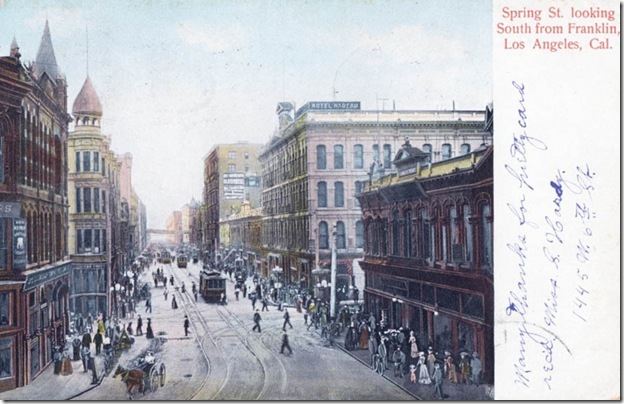
If this image looking south on Spring Street on this 1907 postcard looks unfamiliar, there’s a reason. Most of the buildings are gone and Spring Street was straightened out to make way for City Hall. The postcard is listed on EBay for $5.

SPRING STREET REVISITED – a series of posts I wrote when the blog was at latimes.com

Continue reading

Posted in 1907, Architecture, Downtown, Found on EBay, Spring Street, Streetcars | Tagged , , , | 3 Comments

Parkey Sharkey – Found on EBay

parkey_sharkey_ebay

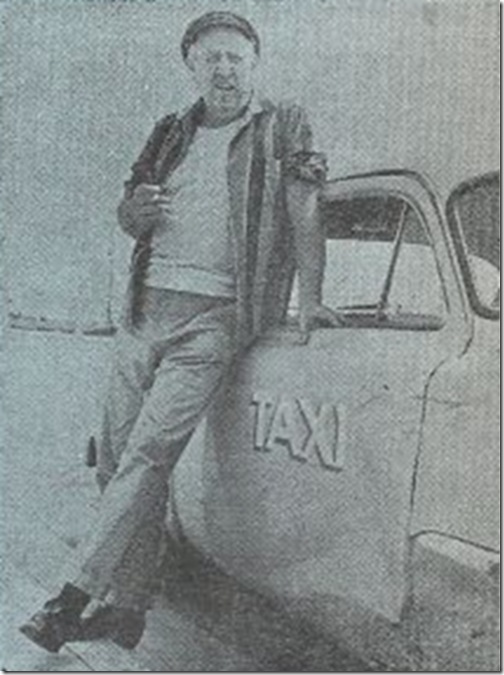
A copy of Parkey Sharkey’s “Whiskey Road” has been listed on EBay. Several years ago, the L.A. Daily Mirror acquired a copy and it occupies an honored place in the research library. There are those who assumed that Parkey Sharkey was merely an invention of the late columnist Paul Coates, who wrote about him regularly. No, Sharkey was a real person.

Bidding on “Whiskey Road,” which includes excerpts from Coates’ columns, starts at $24.95.

Here’s the Parkey Sharkey story, which I wrote when the blog was at latimes.com.

Posted in Books and Authors, Columnists, Found on EBay, Paul Coates | Tagged , , , | Comments Off on Parkey Sharkey – Found on EBay

Barbara Graham Defense Wins Delay After Prosecution Bombshell

Aug. 30, 1953, Comics

image

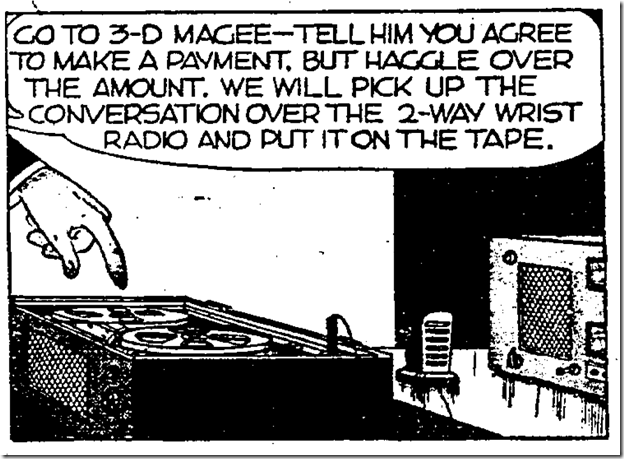
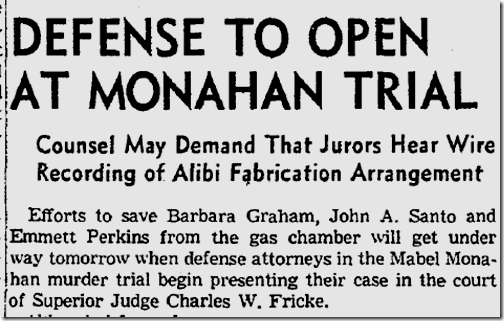
Aug. 30, 1953: Los Angeles County Superior Court Judge Charles W. Fricke grants attorneys for Barbara Graham a slight delay in opening their defense after the prosecution closes with a “bombshell”: A transcript of a recorded conversation between Graham and undercover Police Officer Samuel Sirianni.

Sirianni testified that he met with Graham at the County Jail and they planned a detailed alibi for the night of March 9, when Mabel Monahan was killed.

In the recorded conversation, Graham allegedly said that Baxter Shorter, who disappeared after turning informant “had been done away with.”

Court-appointed defense attorney Jack Hardy asked to withdraw from the case, but Fricke refused to grant permission. Defense attorney Benjamin Wolfe asked to listen to the original wire recording from which the transcript was prepared and said that much of the conversation in the transcript couldn’t be heard and that the transcript also misquoted the conversation.

Graham’s co-defendants were John A. Santo and Emmett Perkins. Graham died in the gas chamber at San Quentin at 11:42 a.m. on June 3, 1955. She wore a mask over the upper part of her face because “I don’t want to have to look at people,” she said. Perkins and Santo were executed together a few hours later, with Perkins dying at 2:40 p.m. and Santo at 2:41 p.m.

In the Theaters: “The Caddy.”

On TV: “Paul Coates Confidential” starts tonight.

Continue reading

Posted in 1953, Art & Artists, Columnists, Comics, Crime and Courts, Film, Hollywood, Paul Coates | Tagged , , , , | 1 Comment

Parents Sue Doctor Who Said Baby Girl Was a Boy!

Aug. 29, 1943, Comics

Aug. 29, 1943, POW Letter

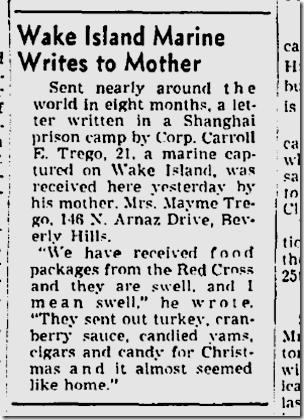
Aug. 29, 1943: The family of Marine Cpl. Carroll E. Trego, a radio operator captured in the fall of Wake Island, receives a letter written from a prisoner of war camp in Shanghai.


Dr. John M. Andrews is being sued for $500,000 by Mr. and Mrs. Harry J. Hartwig after delivering a baby and telling the family that it was a boy, whom they named Richard Allen Hartwig — when it was actually a girl.

“At the time of delivery I didn’t pay any attention to whether it was a boy or girl. But I remember saying ‘It looks like a boy’ as Mrs. Hartwig was coming out of the ether,” Andrews said.

Police Chief Clemence C.B. Horrall is seeking two changes in the City Charter. One would exempt officers hired under wartime emergency provisions from the city pension system. The other would eliminate overlapping authority between the chief and the Police Commission.

Police round up 119 juveniles who were out after curfew at a drive-in at Anaheim and Gaffey streets in San Pedro.

In another black eye for Los Angeles sainted streetcar system, streetcar motorman Coy Gordon was distracted while making change and rammed into another streetcar that was stopped at Pico and Windsor boulevards. Eight people were injured, none seriously, The Times said.

In the Theaters: “I Walked Like a Zombie.”

Continue reading

Posted in 1943, Art & Artists, Comics, Crime and Courts, Film, Hollywood, Medicine, Streetcars, Transportation, World War II | Tagged , , , , , | 2 Comments