
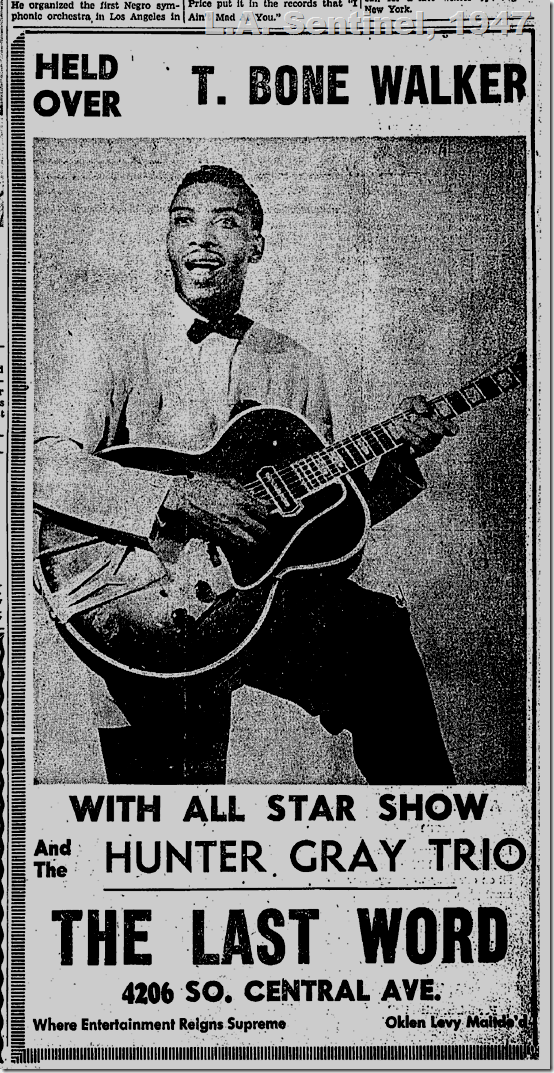
Sept. 18, 1947: The Sentinel reports the intriguing production of an all-black, musical version of “Camille,” produced by Thomas Hammond with a score by Serge Walter, lyrics by Rene Du Plessis, starring Herb Jeffries. A previous commitment prevented Lena Horne from appearing in the show, the Sentinel said.
A brief in the Los Angeles Times (Sept. 9, 1947) adds that Marvin Mar was adapting the novel for the production. Daily Variety reported (Sept. 10, 1947) that the production was supposed to open in Los Angeles and move to New York.
The New York Times reported (July 21, 1947) that the scenery was being designed by Sydney Engelberg. The Times said (Nov. 20 1947), that the production was sponsored by Ben Marden. Hammond told The Times that the production depended on whether he could sign Margaret Webster as the director. Webster was on the West Coast helping her ailing mother, Dame May Whitty, and wasn’t expected to return to New York for several weeks, The Times said.
The Sentinel and The Times said that a movie adaptation was also being discussed, to be filmed in England or Canada.
And none of it ever happened.
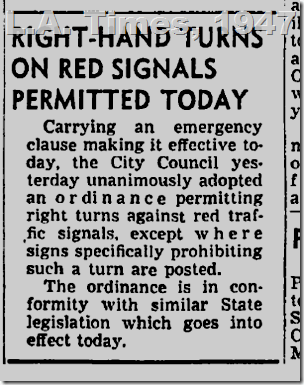 Adopted across the country and lampooned by Woody Allen, Los Angeles’ right turn on a red light was born in obscurity. Although the city used traffic semaphores (mechanical devices with metal arms reading “STOP” and “GO” that swung out of the signal—just like in the old cartoons and the opening of “Double Indemnity”) instead of lights, the right turn on red was in effect as early as 1939, when the City Council sought to ban them.




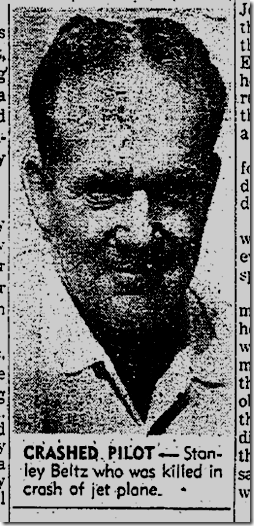 Low flying charges have been filed by the Civil Aeronautics Administration against Stanley Beltz, Lockheed test pilot, who reportedly took a four-engined Constellation down to 200 feet or less over a Playa Del Rey residential district last Friday.
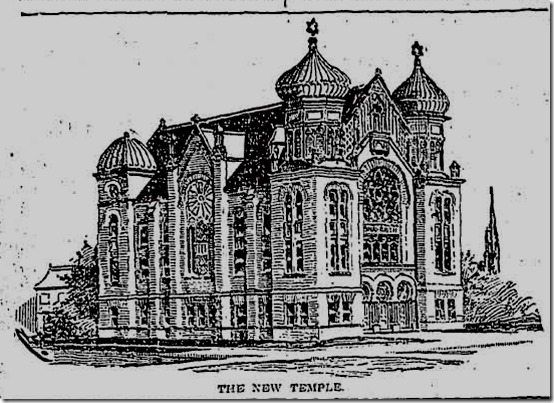 Note: This is an encore post from 2005 and
 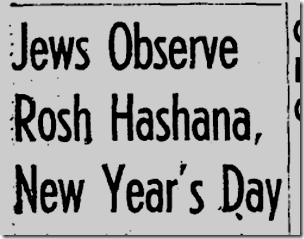 The ram’s horn, once a trumpet of war but now a symbol of faith, sounded at sundown yesterday in Los Angeles synagogues to mark the dawn of the Jewish New Year, Rosh Hashana.
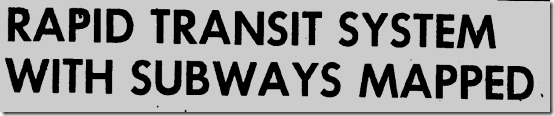
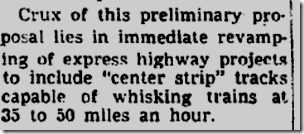 Someday an inquisitive person studying the history of transportation and urban planning will tell the world exactly what became of Los Angeles’ 1947 blueprint for dealing with transit problems. In the meantime, we’ll have to settle for the knowledge that at least they made a valiant effort. They certainly knew what was coming—without much argument, you could call them futurists.

 Note: This is an encore post from 2006.
 ladailymirror.com