

Charles Fang, Exhibitors Herald, November 11, 1922.
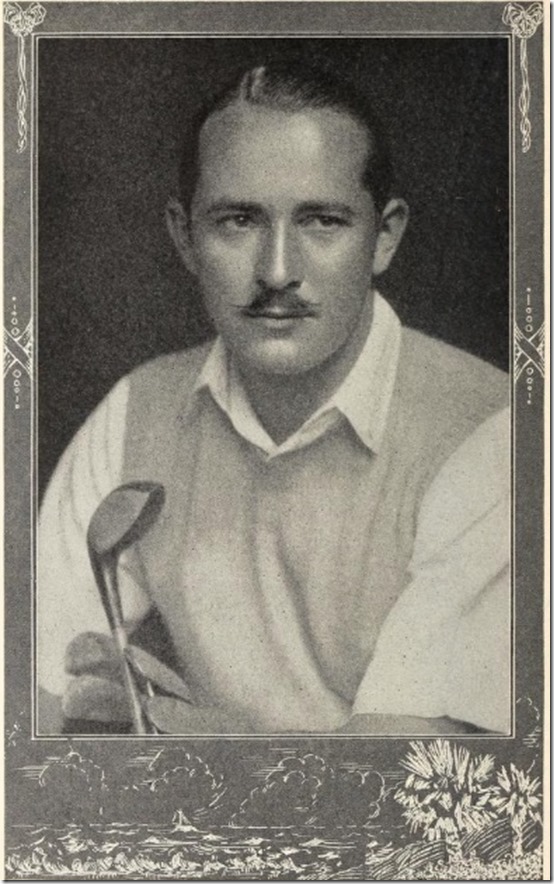
At a time when Chinese born in the United States could not become citizens, could be easily deported, and were prevented from immigrating to this country due to the Chinese Exclusion Act, Charles J. “Charlie” Fang became the first Chinese American film performer identified onscreen, working to bring respect and dignity to his fellow Chinese Americans. Sometimes called “the Chinese Charlie Chaplin” in the press, Fang not only acted but composed music for motion pictures, before appearing on the Broadway stage.
Little is known of Fang’s early years. His World War I draft record says that he was born August 10, 1882, in San Francisco, three months after President Chester A. Arthur signed the Chinese Exclusion Act. Chinese first arrived on the West Coast in 1848 after the discovery of gold at Sutter’s Mill. Eventually, many moved to other occupations, such as running laundries, farming, or helping build railroad lines across the West but felt discrimination and violence wherever they went. By 1882, many on the West Coast resented the Chinese presence, claiming their work led to declining wages and difficult living conditions, leading to the passage of the Chinese Exclusion Act on May 6, 1882, suspending Chinese immigration to the United States for 10 years, which was later extended.
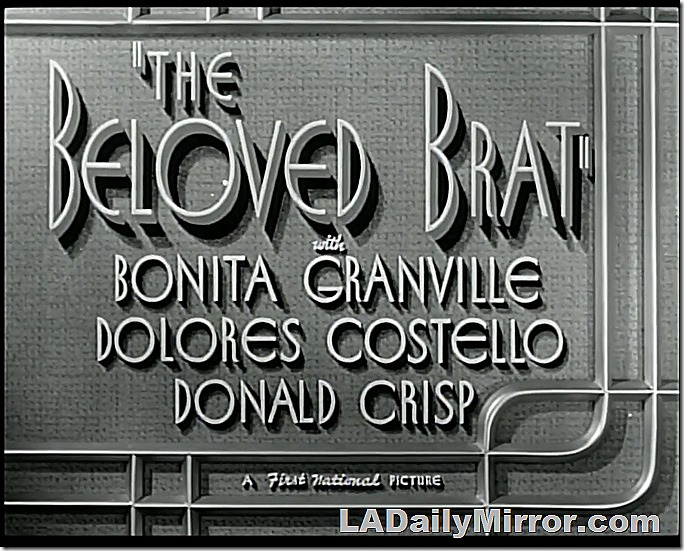
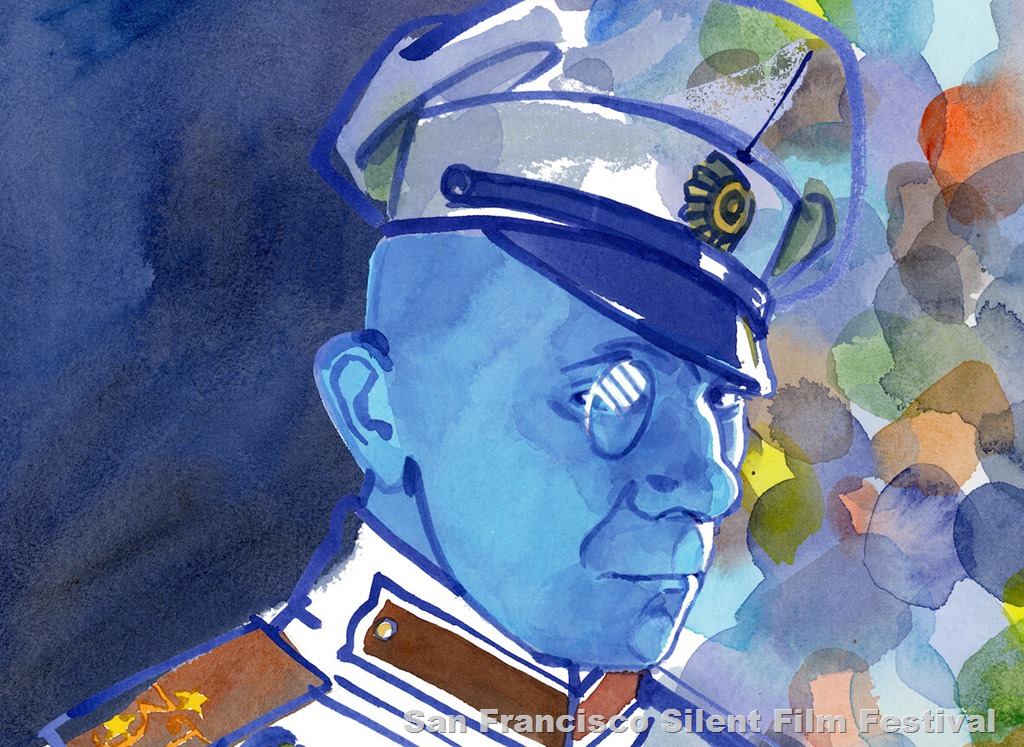


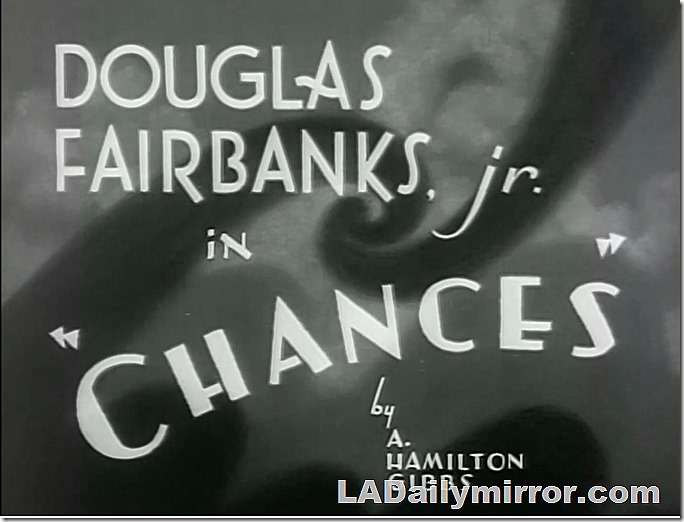
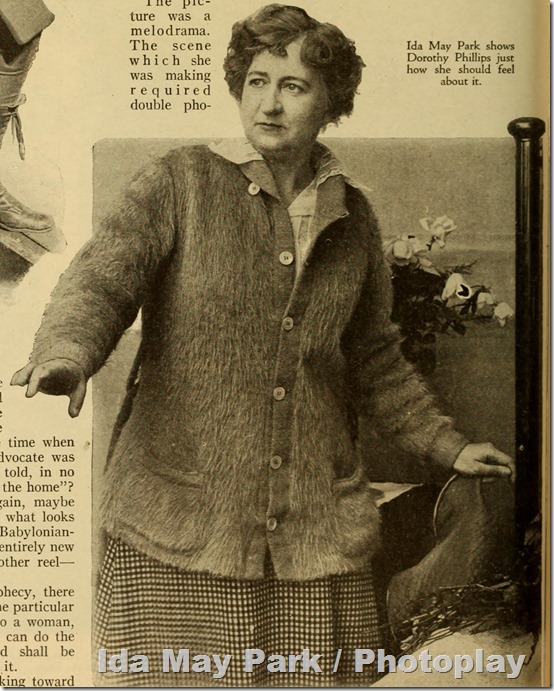
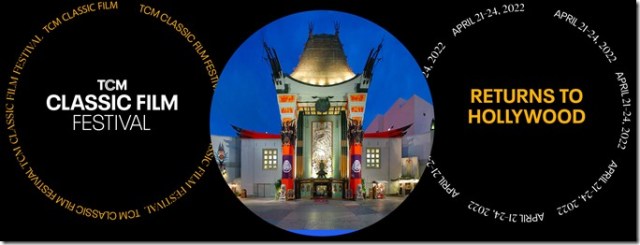 After a two-year absence due to the Covid pandemic, the TCM Classic Film Festival triumphantly returned to Hollywood, four-day nirvana for vintage film fans. The festival joyfully celebrated classic cinema, screening mostly 35-millimeter film prints on the big screen the way they were meant to be seen and happily reunited long-missed friends. Overloaded with films, special programming, and celebrity appearances, the event offered the opportunity to immerse oneself in the glamour of Golden Age Hollywood.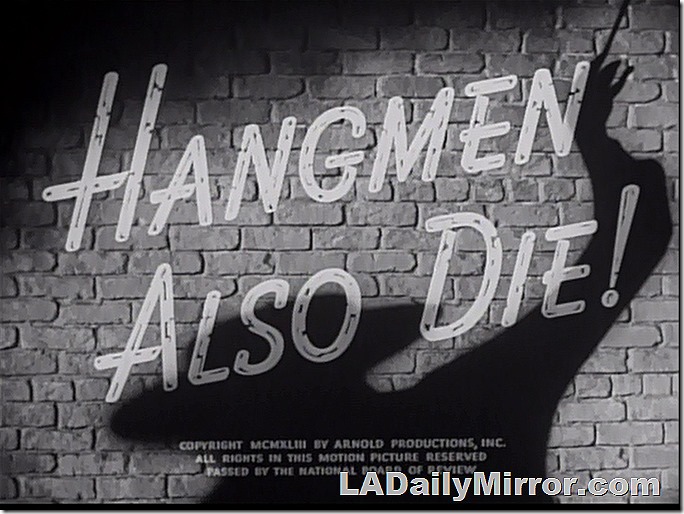


 ladailymirror.com