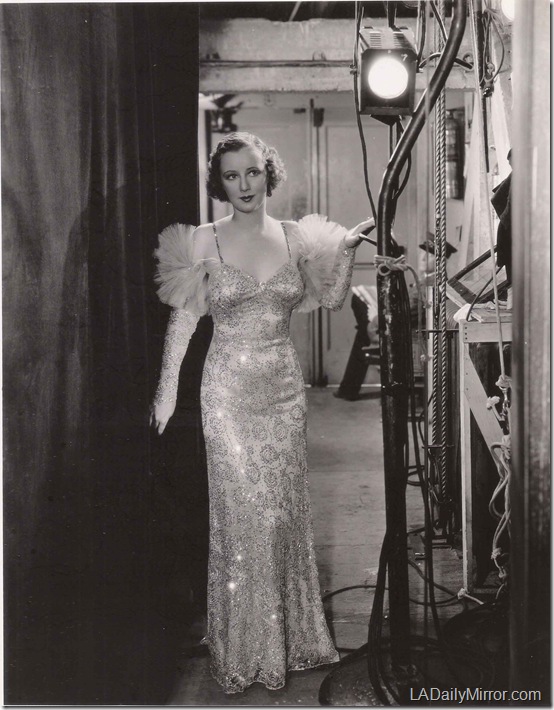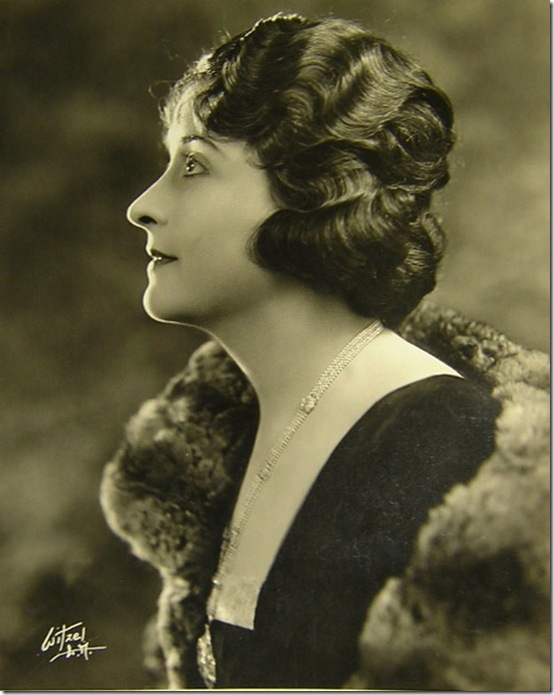
This Witzel photo has been posted on EBay. Judging by the stamp on the back, it’s some celebrity, but the woman isn’t identified. OK, brain trust, what do you think? Bidding starts at $24.99.
This Witzel photo has been posted on EBay. Judging by the stamp on the back, it’s some celebrity, but the woman isn’t identified. OK, brain trust, what do you think? Bidding starts at $24.99.
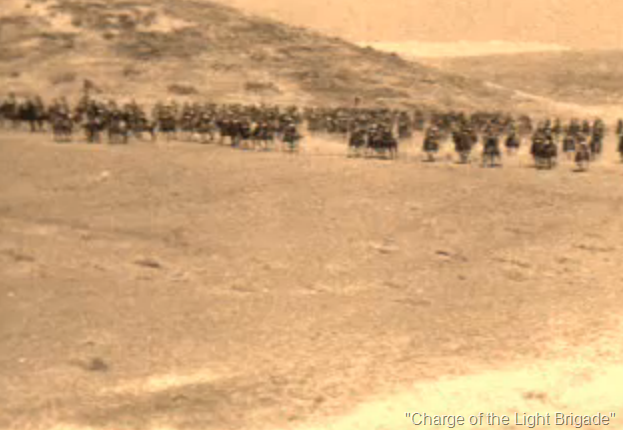
Photo: “Charge of the Light Brigade,” filmed at Lasky Mesa.
James Curtis’ interview with Dick Lane touched on a filming location known as Lasky Mesa. Films shot there include “Rose of the Rancho” 1914, “The Thundering Herd” (1925), “The Charge of the Light Brigade” (1936), “Another Dawn” (1937), “Geronimo” (1939), “They Died With Their Boots on” (1941) and “Duel in the Sun” (1946).
The area was described in news stories as “70 miles north of Universal City” or “two miles north of Calabasas.” Moviesites.org describes it as northwest of Los Angeles on the west end of Victory Boulevard. Later known as Ahmanson Ranch, it is now the Upper Las Virgenes Canyon Open Space Preserve.
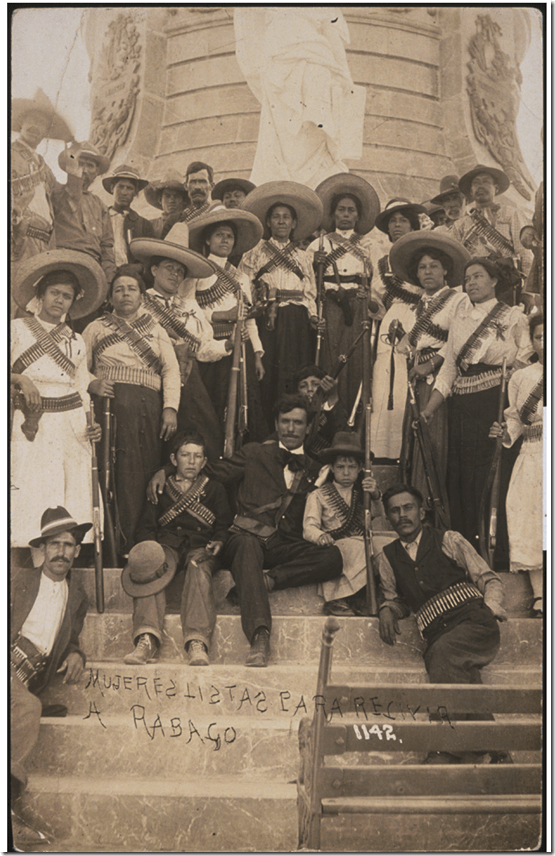
Photo: Mujeres listas para recivir a Rabago, 1911. Credit: Walter H. Horne/Getty Research Institute
“A Nation Emerges,” featuring images of the Mexican Revolution, will go on display at the Central Library from Sept. 8 to June 3. The exhibit, presented by the library and the Getty Research Institute, will include more than 130 photos, prints and maps from the Getty as well as posters from the Center for the Study of Political Graphics.
Thieves seeking to capitalize on the purported medicinal powers of rhino horns broke into the Ipswich Museum in Essex, England, recently and stole the horn from a 100-year-old mounted specimen. David Jolly, New York Times’ Green blog.
The Museum of Broken Relationships, an exhibit at Tristan Bates Theatre in London, puts artifacts from insignificant others on display. Elizabeth Flock in the Washington Post.
The L.A. Daily Mirror and L.A. Crime Beat crafted from Twitter feeds with loving care to the most exacting standards by the bots at paper.li.
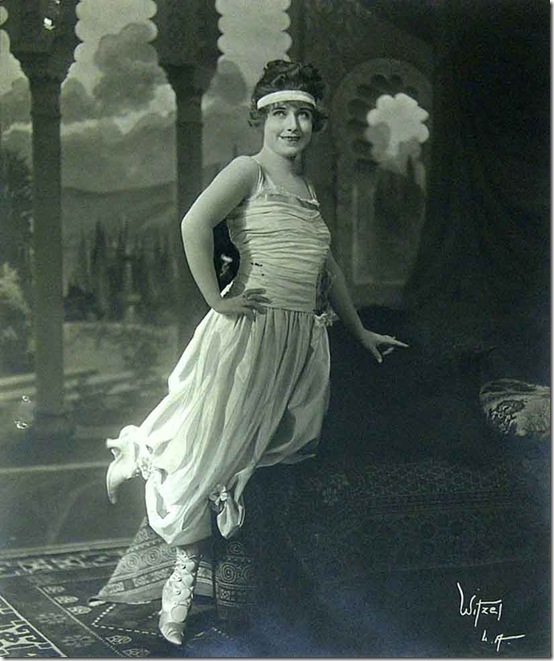
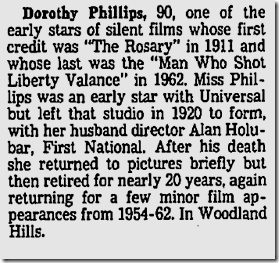 This Witzel photo of actress Dorothy Phillips has been listed on EBay. Bidding starts at $19.99. Phillips received a one-paragraph obituary in The Times on March 10, 1980.
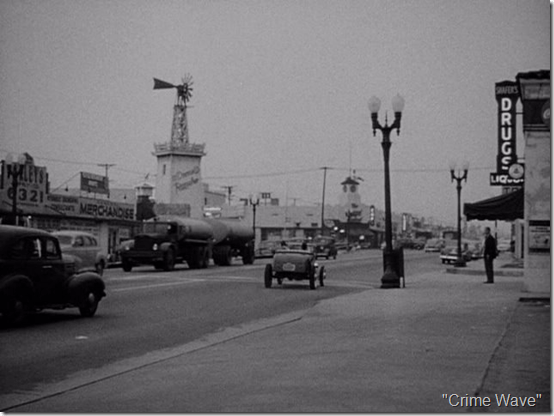
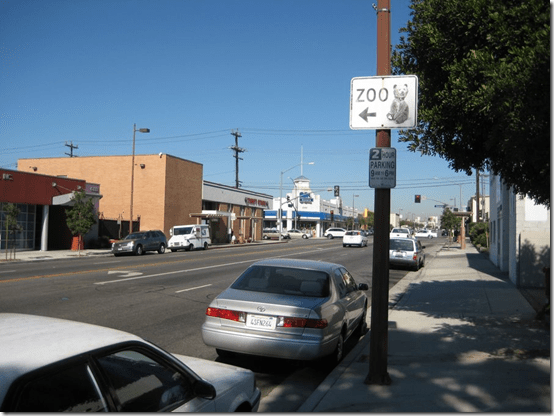
Back in 2008, Scott of Tropico Station decided to revisit Glendale locations used in “Crime Wave.” Voila!
Photo 1: “Crime Wave.”
Photo 2: San Fernando road looking north. Credit: Tropico Station.
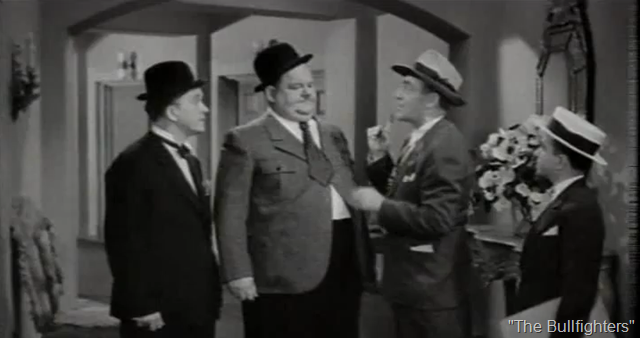
Photo: Dick Lane with Laurel and Hardy in “The Bullfighters.”
This is Part 5 of James Curtis’ 1975 interview with Dick Lane. In this segment, Lane discusses Laurel and Hardy, Abbott and Costello, making “Wonder Man” with Danny Kaye and George Balanchine, and genesis of pro wrestling on TV.
Part 1 | Part 2 | Part 3 | Part 4
 |
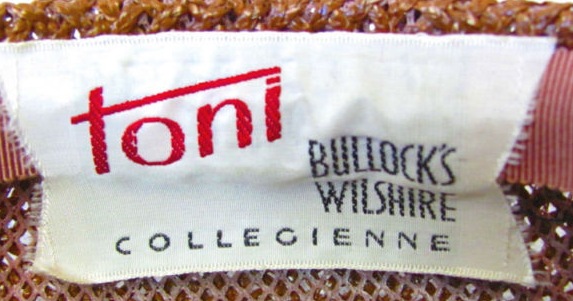 |
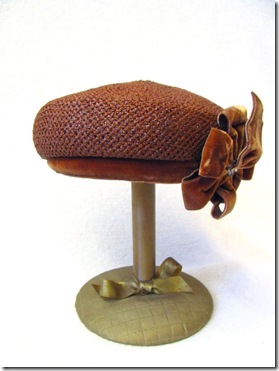
This hat from the Collegienne department of Bullock’s Wilshire has been listed on EBay. Bidding starts at $14.99.
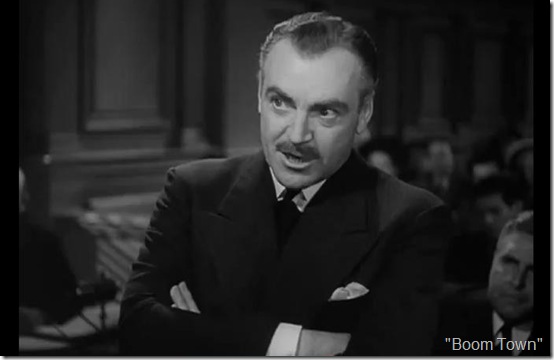
Photo: Dick Lane in “Boom Town.”
Coming up tomorrow: Part 5 of James Curtis’ interview with Dick Lane, who discusses Laurel and Hardy, Abbott and Costello, making “Wonder Man” with Danny Kaye and televising pro wrestling.
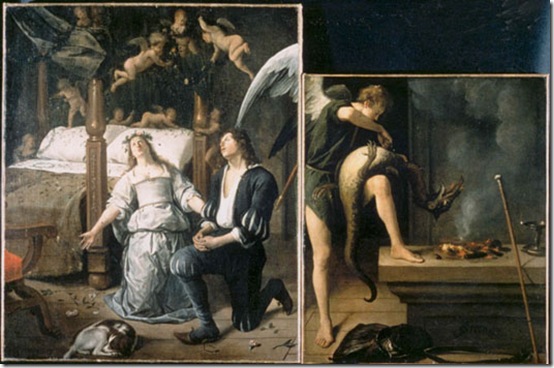
Photo: “The Marriage of Tobias and Sarah” by Jan Steen. Credit: Museum Bredius in The Hague
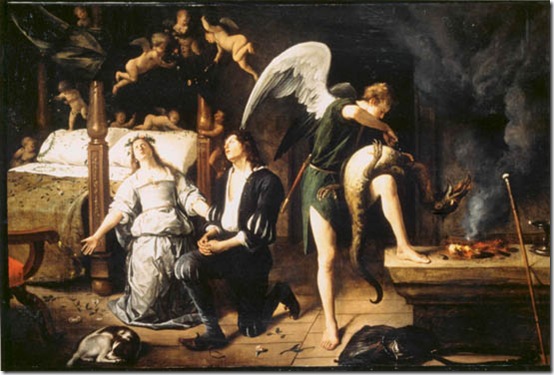
Photo: “The Marriage of Tobias and Sarah” by Jan Steen. Credit: Museum Bredius in The Hague
The Hague municipality has settled with an heir of a Jewish art dealer whose works were lost to the Nazis, including part of “The Marriage of Tobias and Sarah” by Jan Steen. AP via Washington Post.
At some point in its history, Steen’s original work was cut into several pieces, two of which were rejoined to create the current painting. According to the Museum Bredius website:
It is well to realize that, in spite of all the efforts, we are still dealing with the remaining middle part of a larger painting. The painting probably used to be much larger, especially on the left and the top side, possibly several decimeters. The kneeling couple might have been the centre of the composition. The restored parts are all that is left of a large, monumental composition. All one can do is to try to picture it in the mind’s eye.
The Rembrandt sketch stolen Saturday has been found in [correction: near] an Encino church. Richard Winton and Abby Sewell in Los Angeles Times.
The L.A. Daily Mirror and L.A. Crime Beat from Twitter feeds, lovingly prepared to the most exacting specifications by the bots at paper.li
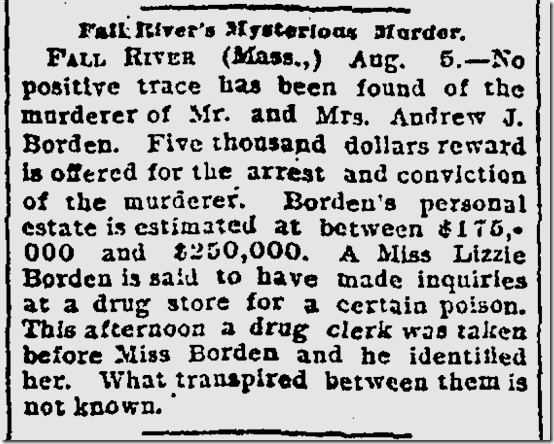
Aug. 6, 1892: Fall River’s Mysterious Murder.
Jennifer Levitz of the Wall Street Journal revisits the Lizzie Borden case. So why shouldn’t we?

Photo: Crucifix on display at Mission San Juan Capistrano. Credit: Don Bartletti/Los Angeles Times
I was reading the Sunday papers with my eye out for historical items and saw Mike Anton’s piece about artifacts on display at Mission San Juan Capistrano.
Anton says: The story goes that around 1900 a man embroiled in a business dispute unloaded his anger — and his pistol — inside a chapel at Mission San Juan Capistrano. Miraculously, no one was hurt. But the 18th century silver cross likely used by mission founder Father Junipero Serra took one near the top.
There’s something in the picture that makes me wonder about this anecdote. Do you see anything?
Let’s dig into this a bit. Continue reading
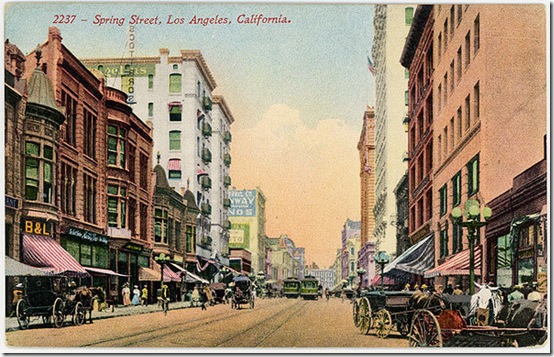
A photo of Spring Street looking north from about 4th Street has been listed on EBay. Our landmark is the Steinway piano ad on the side the building. Bidding on this postcard starts at $5.49.
Here’s a better view:

June 21, 1893: Lizzie Borden is found not guilty of killing her father and stepmother.
Since it’s August, I thought it would be interesting to go through a few clips on the Lizzie Borden case.
I’m taking a break from the daily listings of history and museum news. Compiling the lists is time-consuming and they don’t seem to get many readers.
In the meantime, there’s the L.A. Daily Mirror and the L.A. Crime Beat crafted with care from Twitter feeds by the bots at paper.li.
On the other hand, it’s hard to resist stories like “Fire Destroys World’s Largest Stove.”
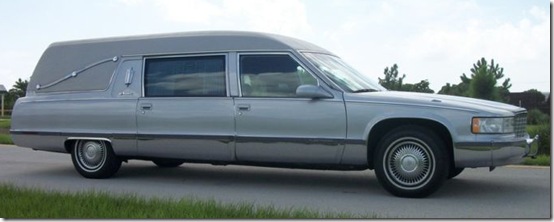
Photo: 1995 Cadillac hearse for sale on EBay.
Queen of the Dead – dateline August 15, 2011
• I mentioned recently that I worked in advertising in the 1980s—well, I found out that the Don Draper to my Peggy Olsen died on August 7. Bernard Cooper—who was 84—was founder and president of Cove, Cooper, Lewis, one of those small, workhorse New York advertising agencies that don’t get TV shows made about them. Bernie was a great boss, and what might be called a firecracker. Bursting with energy—sometimes to the dismay of us Peggies—he fought in the Navy in World War II, ran 13 New York marathons (starting in his fifties), helped form the New York Road Runners Foundation, and in a way got Yours Truly started on a writing career. When I say I was a Peggy Olsen at CCL, I am not kidding: I was a bright-eyed 20-something secretary and Bernie spotted my way with words and let me write copy (yes, to the fury of the older male copy staff, just like on Mad Men). Those Lifestyles of the Rich and Famous ads in TV Guide? Mine! So thanks, Bernie, and bon voyage.
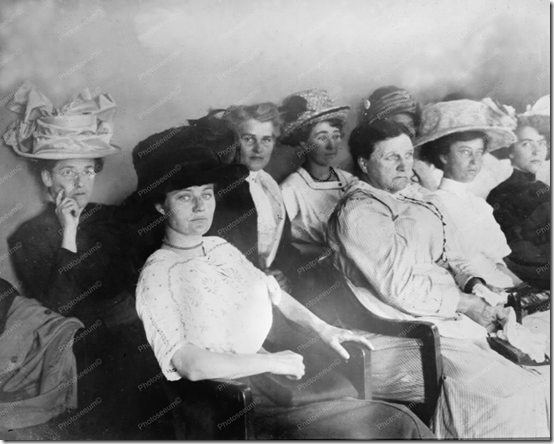
Photo: First all-women jury in Los Angeles. Credit: EBay listing.
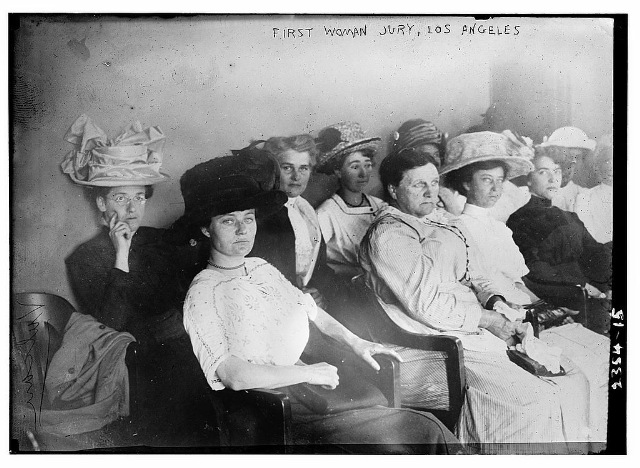
Photo: First all-women jury in Los Angeles. Credit: Bain News Service, Nov. 2, 1911.
You can pay $9.99 for a cropped version of this photo on EBay or get it full-frame from the Library of Congress for nothing.
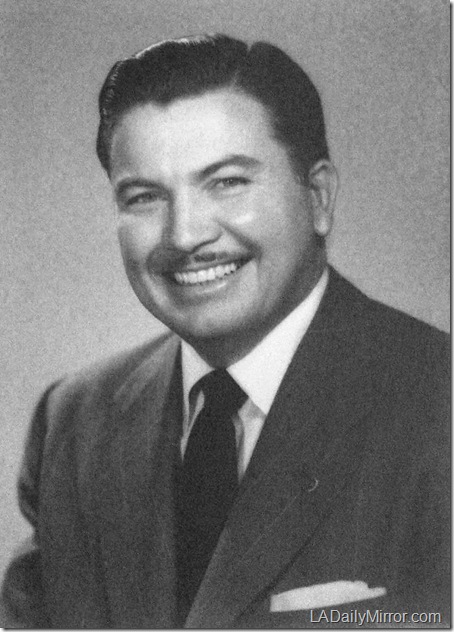
Photo: Capt. Ed Jokisch. Credit: Jokisch family
This is Part 2 of my interview with the late Ed Jokisch.
Continue reading
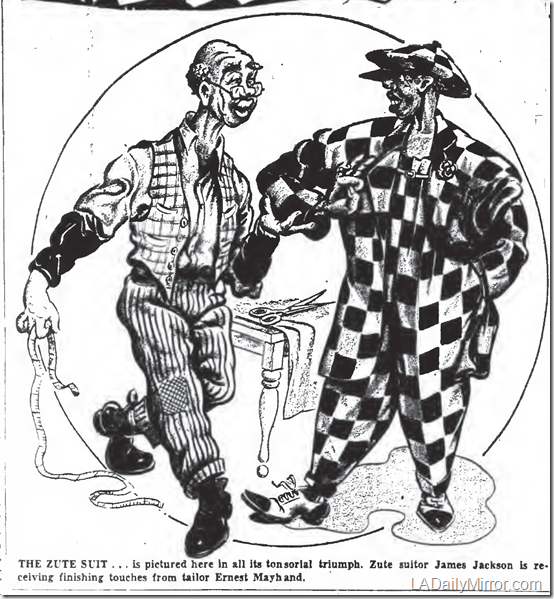
Image: A “zute” suit cartoon from the California Eagle, Aug. 21, 1941.
 In case you’re wondering, I tracked down the Navy’s 1943 report on the Zoot Suit Riots but I can’t get out to the National Archives in Riverside until September. So stay tuned.
“Zoot Suit” and History, Part 1| Part 2 |
Part 3 | Part 4 | Part 5 | Part 6
In the meantime, I made the wonderful discovery that the California Eagle, a weekly newspaper for African Americans published by Charlotta Bass (more about her another time) has been digitized and uploaded to Archive.org. The Eagle and its rival the Los Angeles Sentinel provide a stark counterpoint to the mainstream, white newspapers of the era. The Eagle is full of stories about discrimination that offer a sobering view of the 1940s.
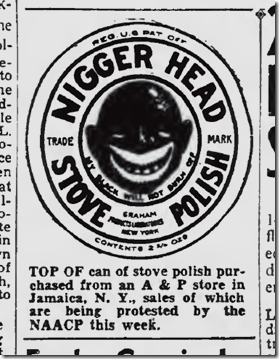
For example, do you think the white newspapers covered the NAACP’s August 1941 protest over this brand of stove polish? Guess again.
On the jump, President Roosevelt’s June 15, 1941, statement against discrimination in hiring by federal defense contractors, and an Aug. 14, 1941, follow-up in the California Eagle.
Roosevelt said: “No nation combating the increasing threat of totalitarianism can afford arbitrarily to exclude large segments of its population from its defense industries. Even more important is it for us to strengthen our unity and morale by refuting at home the very theories which we are fighting abroad.”