A still from the lost film “Spirit of ‘76” from Moving Picture World.
The United States’ Espionage Act was ratified in 1917 to punish those abetting the enemy, promoting military insubordination, or interfering with recruitment. Over the years, it has been amended to include punishing for the disclosure of secret information. For good or ill, such individuals as Julius and Ethel Rosenberg, Daniel Ellsberg, and Bradley Manning have been convicted under its statutes. One of the first people to be ensnared after its creation was filmmaker Robert Goldstein, producer of the 1917 patriotic film, “Spirit of ’76.” A film he intended to unite Americans in pride instead became a tool for destroying his life.
Born in San Francisco, Robert Goldstein was the son of Simon Goldstein, the owner of one of the United States largest costume and wig making businesses. This connection enabled young Goldstein to meet many early moving picture performers, like D. W. Griffith, Lillian and Dorothy Gish, Henry Walthall, Mae Marsh, and others. Motion pictures thrilled him so much that he moved to Los Angeles in 1912 and established a branch of the family’s costume businesses, providing wardrobe for the film industry.



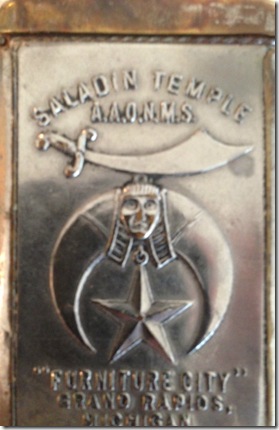
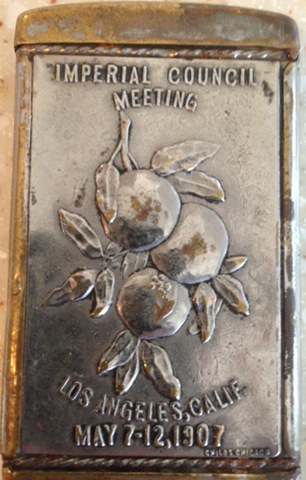
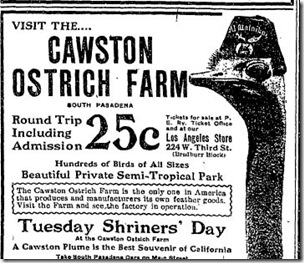 The 1907 Shriners convention in Los Angeles created a boom market in all sorts of memorabilia: plates, cups and other glassware, plus pins, postcards and lots of trinkets, which were sold and traded, all of which show up regularly on EBay.
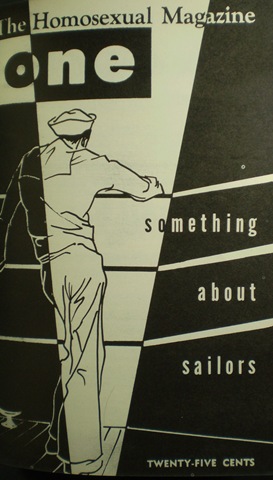

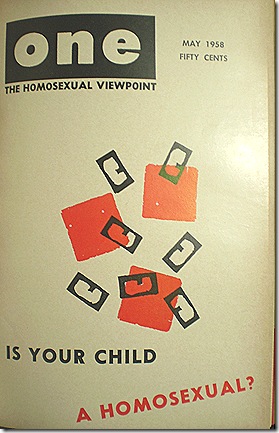 What the vendor says are complete runs of the 1957 and 1958 issues of One magazine have been listed on EBay at $69.99 each. Individual issues often sell for $10-$20 or more, so this is actually a deal – if you don’t mind the library bindings.