Feb. 4, 1944
Today we have:
— “Missing People’s Bureau” on “Amos ‘N’ Andy.” Courtesy of Archive.org.
Feb. 4, 1944
Today we have:
— “Missing People’s Bureau” on “Amos ‘N’ Andy.” Courtesy of Archive.org.

Feb. 4, 1944: “Dear Walter,” writes Maurice Rocco, “It must be an oldie but it still gets the biggest laugh wherever gamblers gather. About the wife who (going through her groom’s pockets) found a slip of paper on which was memo’d ‘Ruth.’ She asked him: ‘What’s this mean?’
” ‘Oh,’ he oh’d, ‘that’s a horse I played today.’ Then the phone rang. She picked up the receiver.
” ‘Darling,’ said the Mrs., ‘your horse wants to talk to you.’ ”
Raymond Page read it long ago: About the diplomat from Europe, who after witnessing Congress in action the first time, observed: “Congress is strange. A man gets up to speak and says nothing. Nobody listens and then all disagree.”
From the St. Petersburg Times.
Continue reading

No Google search drives more traffic to the L.A. Daily Mirror than some permutation of “Carole Lombard Death Scene” or “Carole Lombard’s Head” or “Carole Lombard Decapitated” or “Did They Ever Find Carole Lombard’s Wedding Ring?” And as I have noted before, there are no Carole Lombard death scene photos here. I wouldn’t publish them if there were any.
But Eve Golden reports after reading Robert Matzen’s “Fireball” that Lombard’s body was never photographed, at least according to Matzen.
Eve writes:
Her body was found under a wing, so is not in any crash site photos, and none were taken at the morgue at the behest of the studios, because they knew damn well they would be leaked! She was ID’d through dental records.
And Eve says the book was much better than she expected.
So folks, stop looking for Carole Lombard snuff pictures. There aren’t any.
Thanks Eve!

Feb. 3, 1944
It’s Thursday in 1944 and today we have:
— Donald O’Connor and Marilyn Maxwell are Bing Crosby’s guests on the “Kraft Music Hall.” Courtesy of Archive.org
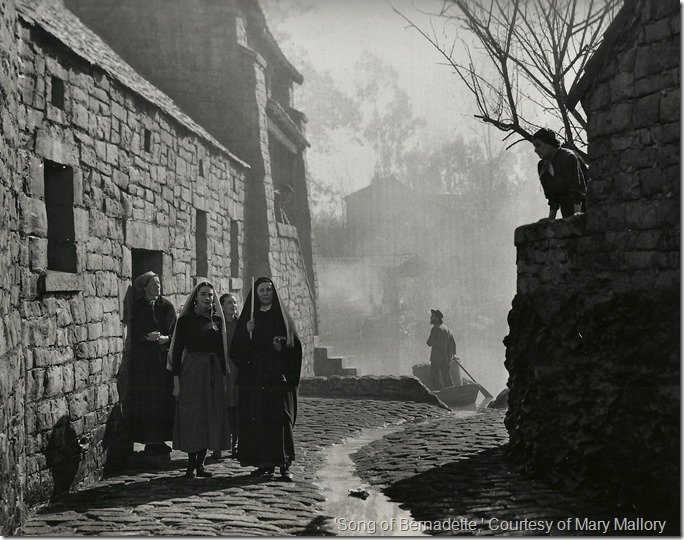
“A close second as the Best Production Still Out-of-Doors, is this beautifully composed and lighted scene from “Song of Bernadette,” 20th-Century-Fox production, by Stax Graves,” Courtesy of Mary Mallory.
Over its 87-year-old history, the Academy of Motion Picture Arts and Sciences has recognized outstanding work by individuals involved in the filmmaking process. Above-the line-talent like actors and directors have been recognized, along with behind-the-scenes contributors like editors, composers, and production and costume designers. Science and technology experts are also receive awards for their contributions in improving equipment and technology for the filmmaking process.
For four years during the 1940s, AMPAS also presented awards to motion picture studio stills photographers, recognizing their work in producing creative and beautiful visual representations selling motion pictures to consumers. Although the winning stillsmen did not receive Oscar statuettes or gain wide publicity for their awards, this competition was the very first important public acknowledgment of the importance still photographers played in promoting films to the movie-going public.
Mary Mallory’s “Hollywoodland: Tales Lost and Found” is available for the Kindle.

Feb. 3, 1944: Walter Winchell devotes his entire column to an organization called Peace Now. He did not approve.
From the St. Petersburg Times.
Feb. 2, 1944
Today we have:
— Hop Harrigan in Berlin on “Hop Harrigan.” Courtesy of Archive.org.
— Lionel Barrymore is the guest on “Orson Welles’ Radio Almanac.” (Yet another joke about the housing shortage). Courtesy of Archive.org.

Feb. 2, 1944: Let’s go to press! Cary Grant is “shopping for a new home in Bel-Air” stirring rumors about a rift with Barbara Hutton!
“Another movie star and his wife apparently are on the verge. He’s squiring Evelyn Carmel here. She’s the Venus de Nylon. “
From the St. Petersburg Times.
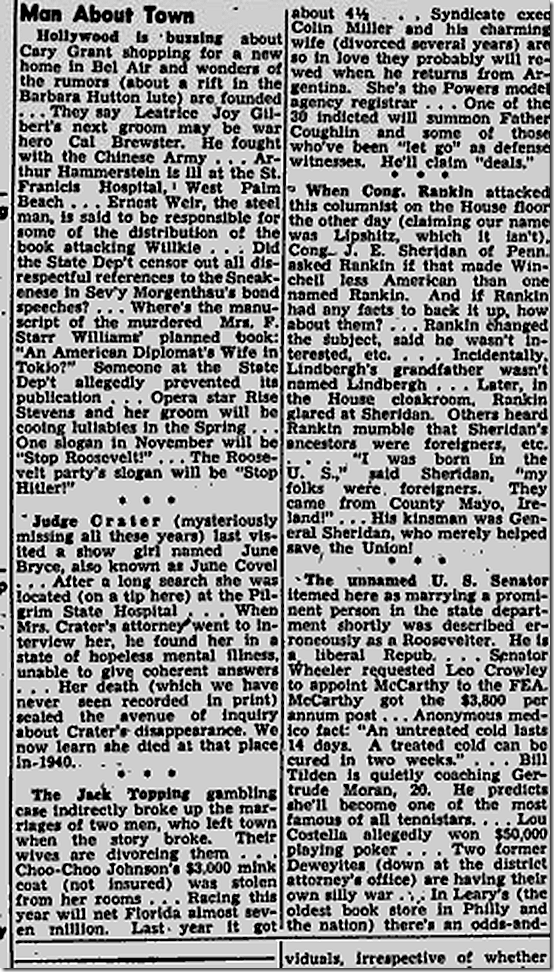
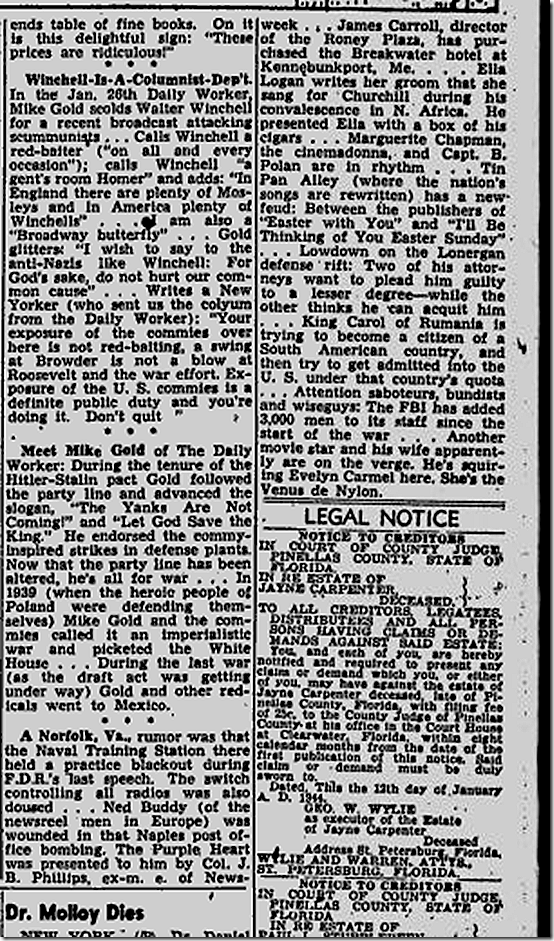

Feb. 1, 1944: “The Duke in the Darkness,” a starrer for Philip Merivale, drew regrets that the author of “Angel Street” had used a rickety typewriter to fashion this one … “The Song of Bernadette,” coming in on a 12-cylinder build-up, proves itself worthy of all the hooraying…. Jennifer Jones, a newcomer, plays the miracle healer who was sainted — and Hollywood is hers from now on.
From the St. Petersburg Times.
Feb. 1, 1944
It’s Tuesday in 1944 and today we have:
— “Adventures of the Sea Hound.” Courtesy of Archive.org.
— Billie Burke is the guest on “Duffy’s Tavern.” Courtesy of Archive.org.
— “Fibber Buys a Diamond Ring” on “Fibber McGee and Molly.” Courtesy of Archive.org.
— “A Quiet Wedding” with Frank Lovejoy on “Romance.” Courtesy of Archive.org

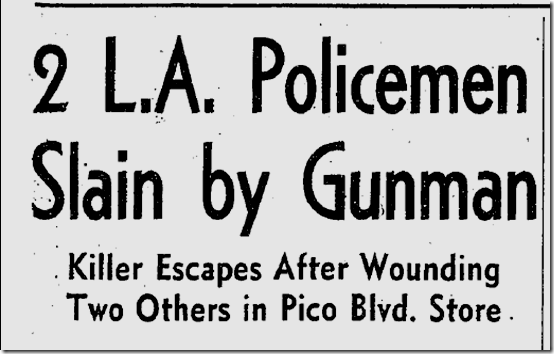
Feb. 1, 1964: Police Sgt. Charles Paul Monaghan and Officer Robert M. Endler of the Wilshire Division are shot to death while investigating a man passing a bad check at the Sears store, 4550 W. Pico Blvd. He was arrested in Chicago a few days later.
In June 1964, gunman Leaman Russell Smith, and Barbara Walker and Donald Castner, Smith’s partners in the forgery ring, were found guilty of first-degree murder. Smith’s death sentence was later commuted to life in prison in 1972, when California’s capital punishment was ruled unconstitutional.
In July 1977, Smith walked away from a minimum-security facility in Vacaville, where he had been assigned as a firefighter. He was captured by the FBI after an eight-month search. Opponents of his parole noted bitterly that his escape did not affect his eligibility for release.
In August 1982, officials learned that Smith was scheduled to be paroled in March 1983, provoking a firestorm of controversy. Endler’s widow and daughter, and Monaghan’s widow testified before the parole board against Smith’s release and his parole was rejected.
According to California death records, a Leaman R. Smith died in Solano County, Calif., on Nov. 23, 1996. He was 66.
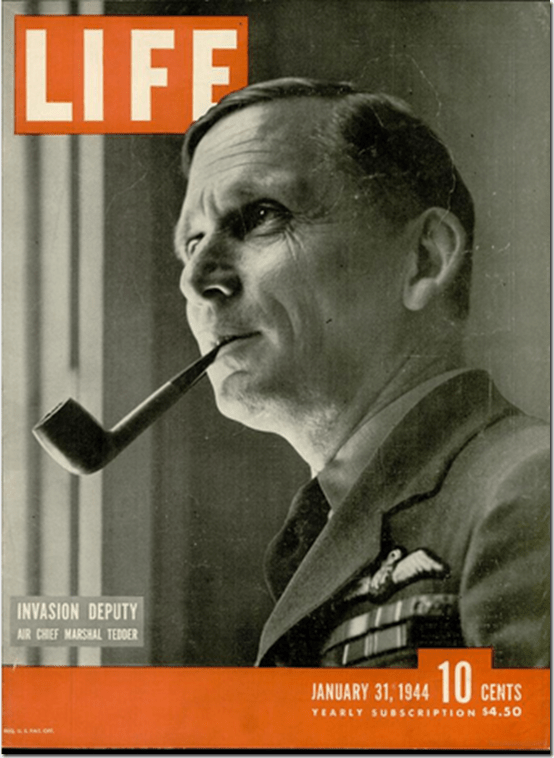
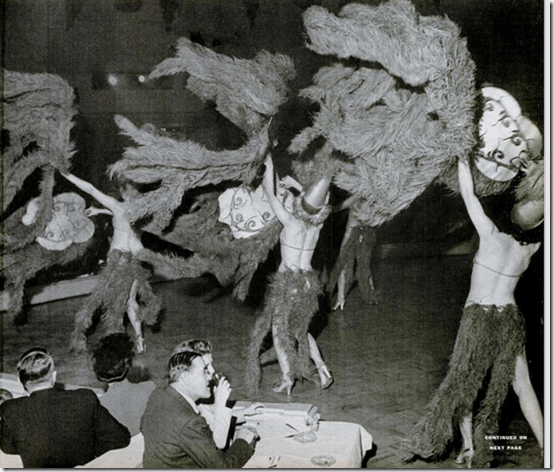
Jan. 31, 1944: The cover photo shows Air Chief Marshal Sir Arthur William Tedder, G.C.B., chosen as Gen. Eisenhower’s deputy commander for the invasion of Europe. The featured movie is “Lifeboat” and Life pays a visit to the Florentine Gardens. Courtesy of Google.
Jan. 31, 1944
Today we have:
—“Random Harvest” with Ronald Colman and Greer Garson on Lux Radio Theater. Courtesy of Archive.org.
Jan. 30, 1944
It’s a Sunday in 1944 and today we have:
— “Marjorie the Actress” on “The Great Gildersleeve,” starring Harold Peary. Courtesy of Archive.org.
—Mark Hellinger is the guest on a program promoting “The Horn Blows at Midnight” on “The Jack Benny Show.” “Paper Doll” must have been popular in January 1944 because this is one of several shows that referred to it. Also gags about the housing shortage. Courtesy of Archive.org.
—“The House of Death” on “The Mysterious Traveler.” Courtesy of Archive.org.

I don’t know how this nonsense gets started. There is nothing to show that Elizabeth Short ever set foot in the Cecil Hotel, as claimed by KABC-TV Channel 7.

Leave it to Marc Chevalier to come up with this. Marc took the image of one of the glass panels from the Oviatt Building and turned it into a custom necktie, via Zazzle. The tie is $29.95. You can even create your own design.
Jan. 29, 1944
It’s Saturday in 1944 and today we have
— “The Unwilling Accomplice” on “Nick Carter, Master Detective.” Courtesy of Archive.org
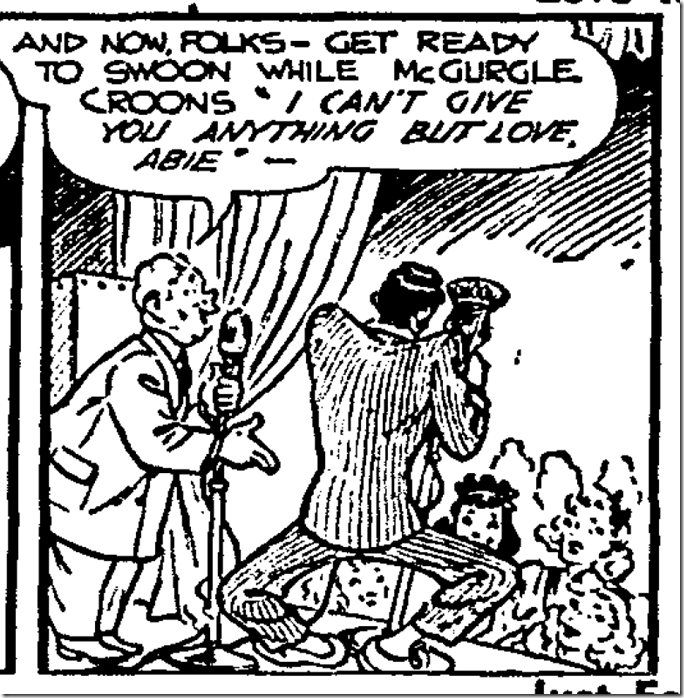
Jan. 29, 1944: The Times reports Frank Sinatra’s film debut in “Higher and Higher”:
A generous quota of young girls attended the first showings and their ecstatic whinnyings recorded each and every appearance of their hero. In one house, at least, these childish squeals caused annoyance at first and gales of laughter as they continued.
The Rev. Namon Hartson and the Rev. John Ginter of the Pentecostal Church of God of America, 5901 Compton Ave., plead not guilty to allegations by their war-working neighbors that their late-night services make too much noise.
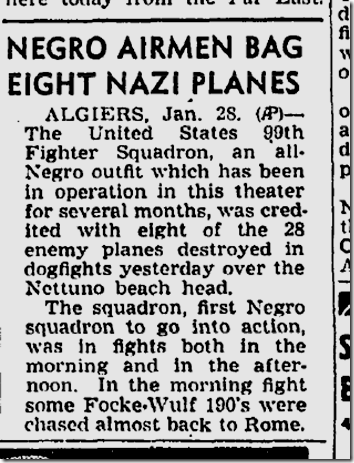
Fliers of the African American 99th Fighter Squadron are credited with shooting down eight Nazi planes.
Here’s a few Pete Seeger songs I pulled together in his memory.
“Frankie and Johnny” sung by Pete Seeger. Courtesy of Archive.org.
“John Henry” with Big Bill Broonzy and Pete Seeger. Courtesy of Archive.org.
“Pete Seeger Marathon” from 1969. Courtesy of Archive.org
“You Can’t Make a Living in a Cotton Mill.” Courtesy of Archive.org.