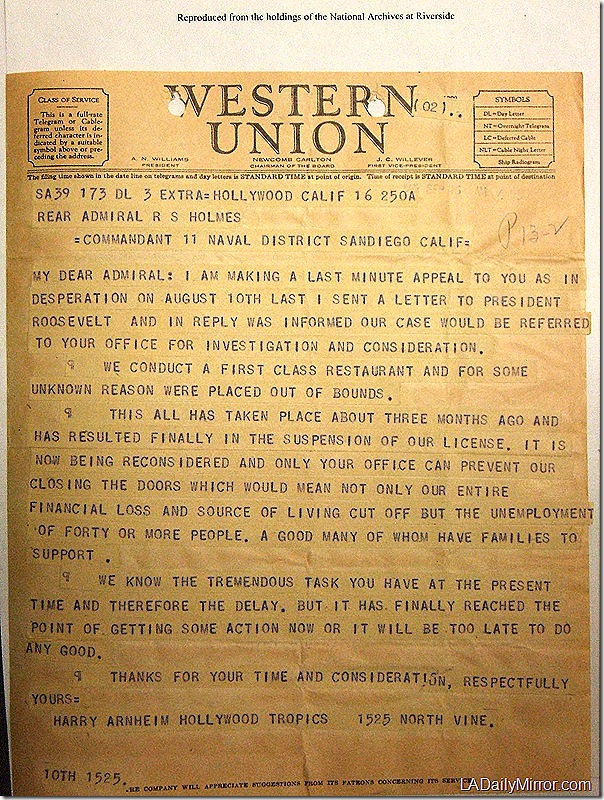
Image: Harry Arnheim of the Hollywood Tropics, 1525 N. Vine St., protests being placed off-limits by the Navy. Credit: National Archives at Riverside.
To recap briefly, I have been digging into the historical basis of the movie “Zoot Suit,” which I saw this summer in the Last Remaining Seats series. The Times ignored the 1943 Zoot Suit Riots for several days, in what must be one of the worst news decisions the editors ever made, so I was forced to dig into the government records at the National Archives in Riverside for further information.
“Zoot Suit” and History, Part 1| Part 2 | Part 3 | Part 4 | Part 5 | Part 6 | Part 7 | Part 8 | Part 9 | Part 10
Another theme running through the Navy records from the 1940s is sailors’ behavior while on leave. The Navy is a service with a long, proud tradition and anything that casts it in a negative light (like getting drunk, fighting, beating up civilians or patronizing prostitutes) is apt to be dealt with harshly. In fact, some junior officers chided the shore patrol for being too strict with sailors who were having a fling after a long time at sea.
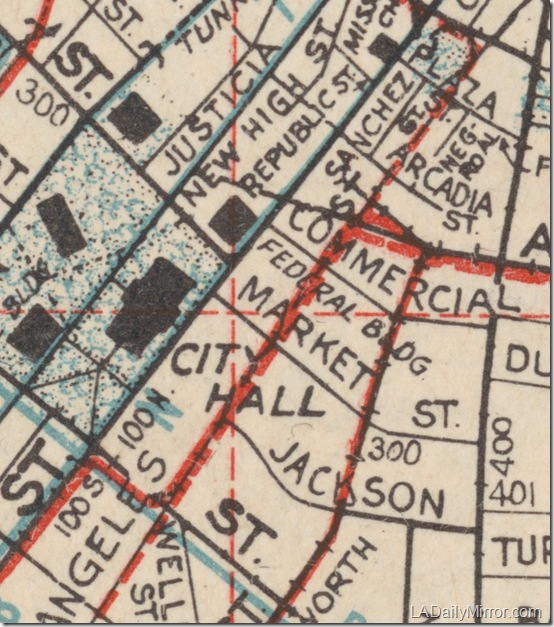
Here are some examples of records that show how much the Navy investigated restaurants, taverns, bars and anywhere else that sailors were at risk of getting in trouble. There are also lists of all the bars and restaurants that were out of bounds in Hollywood, Long Beach, Los Angeles and San Pedro – and some in San Diego.
Continue reading →




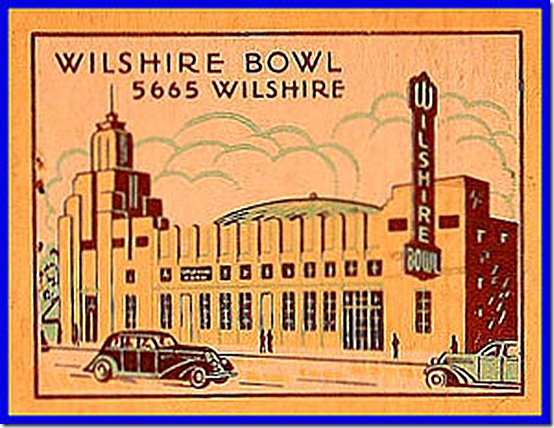
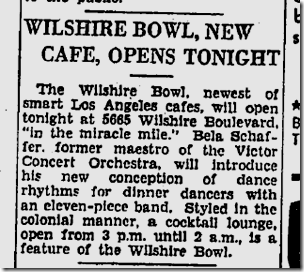 Mary Mallory was curious about the Wilshire Bowl, where