

Aug. 2, 1944: Kay Kyser’s Kollege of Musical Knowledge, with Phil Harris filling in for Kyser. Courtesy of otronmp3.com.
Aug. 2, 1944: Kay Kyser’s Kollege of Musical Knowledge, with Phil Harris filling in for Kyser. Courtesy of otronmp3.com.
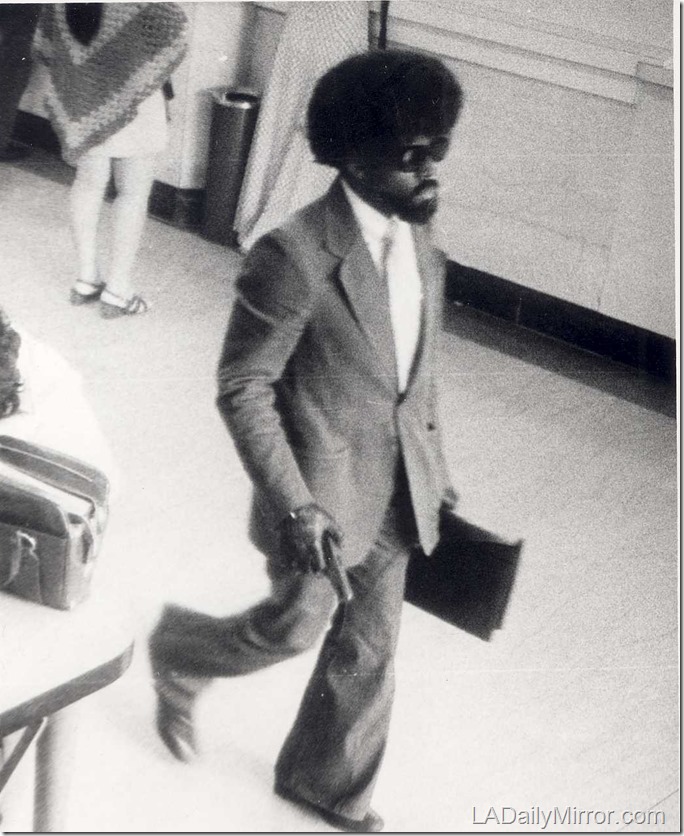
I was given a box of material that was cleaned out of the old press room – the “Cop Shop” – when Parker Center was closed.
Today we have a picture of a bank robber. The DR number is 73 491 959, and I assume the crime occurred in 1973. I have no further information about this case.
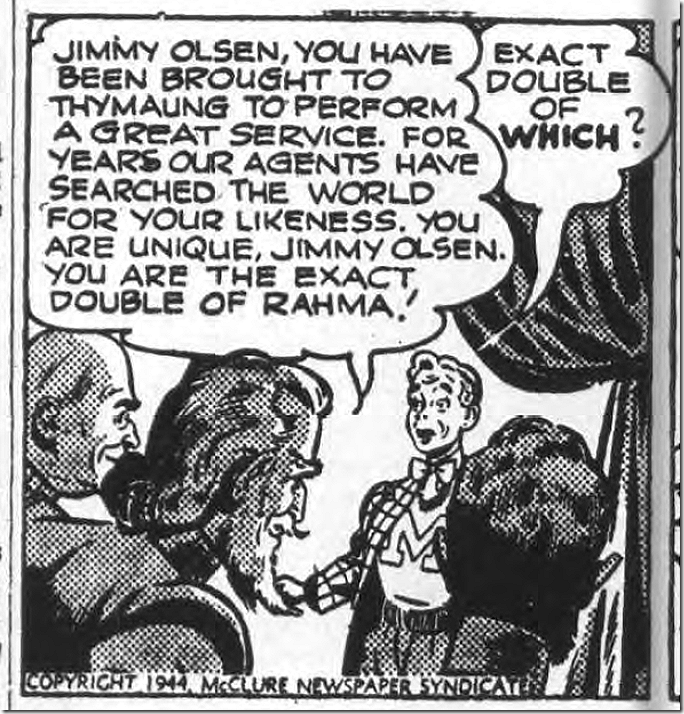
Aug. 1, 1944
What a picture for Clark Cable, “The Life of Lucky Baldwin,” who was one of California’s most colorful characters. Lunched with Louis B. Mayer and he told me producer Everett Riskin is now preparing the biography for Clark, and there are two women of equal important who were wooed and won by that impetuous gentleman.
Eddie Mannix, who is very enthusiastic over Clark’s making this picture, told me something about Baldwin. He said the story by Ethel Hill had been bought from 20th Century-Fox and it had taken months to clear the film rights with the family. Baldwin owned the first big American racing stable. He liked horses and women, and his actual fortune came from gold mines. The big Baldwin estate is in Arcadia, Calif., and when he died he left a huge fortune to his daughters, Anita Baldwin and Clara Baldwin Stocker. Both are dead, and Captain Baldwin, Anita’s son, heir to the estate, is now with the armed forces overseas.
Martha Tilton, with the Jack Benny troupe in the South Pacific, writes: “We were recently in Tarawa. Then men there hadn’t seen a woman for about 22 months, so you can imagine the reception Carole (Landis) and I received.”
LEO: Similar indications for you as for Cancer now. Extra care advised in plans, arrangements for important projects. You can enjoy a useful day.
Note: The Clark Gable project on “The Life of Lucky Baldwin” was never made. Hedda Hopper wrote on April 28, 1948, that Errol Flynn had been loaned to MGM to make “Lucky Baldwin” in exchange for Warners getting William Powell for “Life With Father.” Hopper said Flynn didn’t like the Baldwin project, adding: “I don’t blame him. Clark Gable and every other important star at Metro has turned it down.”
From the Philadelphia Inquirer via Fultonhistory.com.
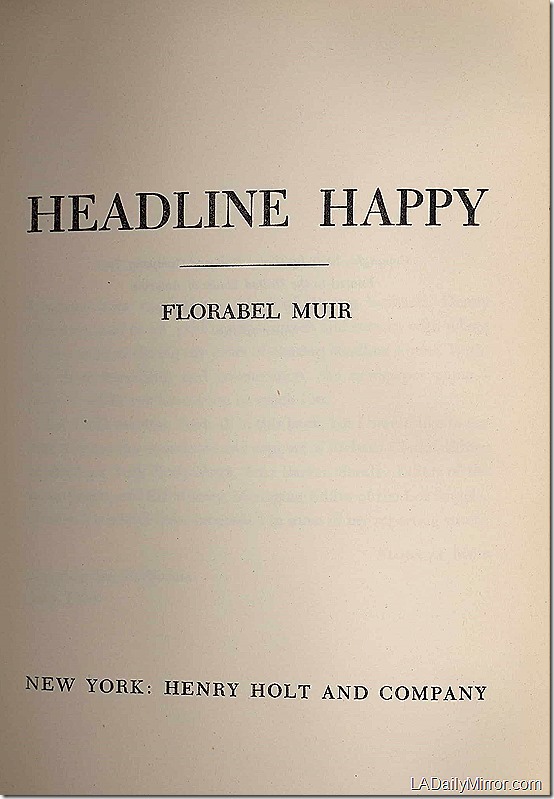
A copy of Florabel Muir’s 1950 “Headline Happy” has been listed on EBay for $45 or make an offer. Muir was a newspaperwoman in Los Angeles and discusses the usual suspects, including Bugsy Siegel (she describes the murder scene) and Mickey Cohen (yes, she took a bullet in the famous attempt to kill Cohen at Sherry’s).
“Headline Happy” covers some of the same ground as Agness Underwood’s “Newspaperwoman” (1949) and Jim Richardson’s “For the Life of Me” (1954), but I find “Headline Happy” better written and more reliable. Of the three, Richardson’s book suffers the most from the problems that plague all autobiographies.
“Headline Happy” is a bit hard to find, especially for less than $50.
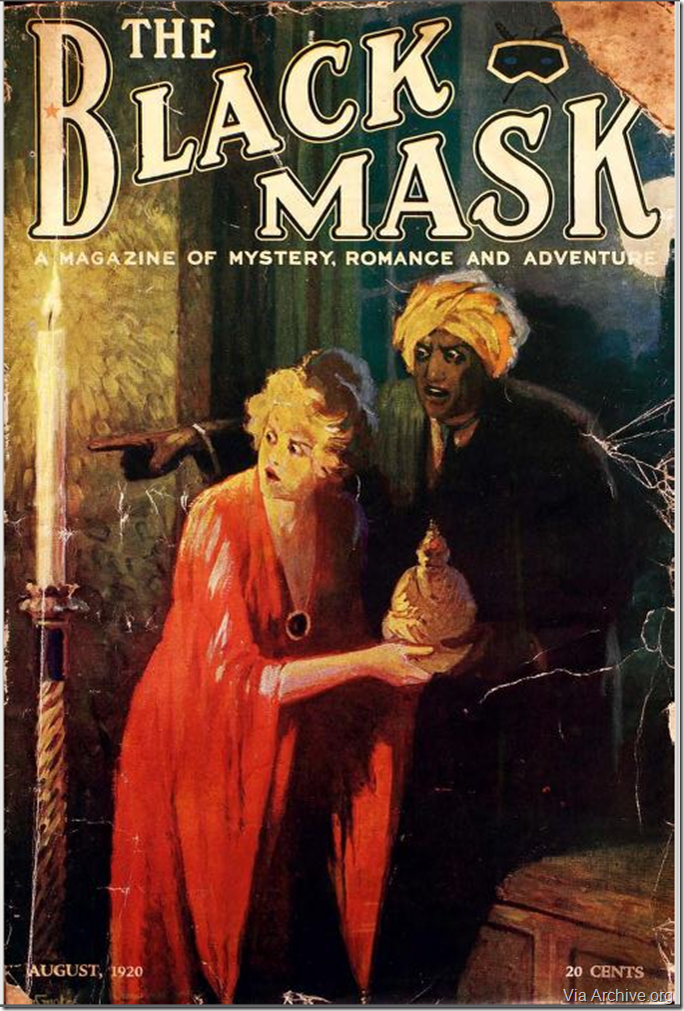
Imagine my surprise to discover that Archive.org has added a large collection of pulp magazines such as this August 1920 issue of Black Mask, the legendary mystery magazine that published so many hardboiled writers, including Dashiell Hammett, Raymond Chandler, Cornell Woolrich, etc.
The collection only has seven issues of Black Mask, including this August 1920, number.
July 31, 1944
Walter Winchell says: Times Sq. Ticker: Otto Preminger’s production of Vera Caspary’s hit novel “Laura” gives the villainous role to Clifton Webb, his first film. It’s a racy mystery murder with Gene Tierney in the role Jennifer Jones was touted off by D.O. Selznick … The author always denied that the crime-writer-columnist-radiorator villain was [Alexander] Woollcott but sophisticated New Yorkers will immediately think it is. Even though he is called Waldo.
Louella Parsons says: I knew there was some deal with a Mexican star in the offing for Mary Pickford, but every time I put it up to Mary she’d just look mysterious and say, “I can’t talk.” Well, today she told me that she, Hunt Stromberg and Dudley Murphy have made a three-way deal with Pedro Armendariz, famous Mexican actor — the first triple star ownership. Armendariz was in “Maria Candellari” with Dolores Del Rio, and that is as fine a picture as has ever been made in Mexico. The deal is made so the young man can return to Mexico and appear in Dudley Murphy’s pictures there also. Mary first saw Armendariz when she visited in Mexico last year. His first American picture is “Dishonored Lady” for Hunt Stromberg, which goes into production in October.
LEO: If you keep emotions sensibly controlled you need not fear difficult spots today may produce. Chin up, be enthusiastic. You’ll shine as you usually do.
From the Philadelphia Inquirer via Fultonhistory.comvia Fultonhistory.com.

A regular reader forwarded the following post to me, regarding our go-to source for misinformation: Wikipedia.
Writing in The Daily Dot, E.J. Dickson describes surprise in discovering that a 2009 edit made to a Wikipedia entry as a college prank had spread all over the world.
July 30, 1944
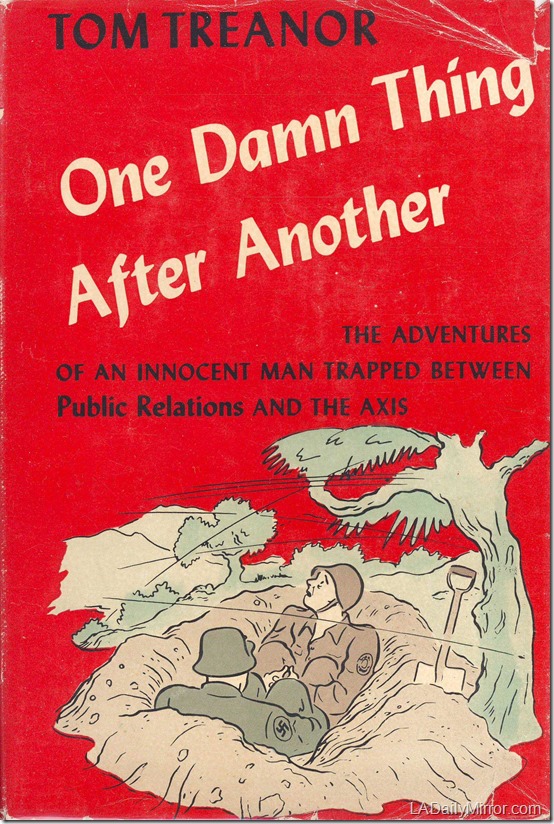
Less than a month before Times war correspondent Tom Treanor was killed in France, his book “One Damn Thing After Another” was reviewed in The Times. The book is a collection of Treanor’s columns for The Times.
The book is readily available for purchase. A digital copy is available at Archive.org.
Treanor was badly injured Aug. 18, 1944, when the Jeep in which he was riding collided with a tank as the Jeep’s driver was trying to pass. Treanor died the next day.
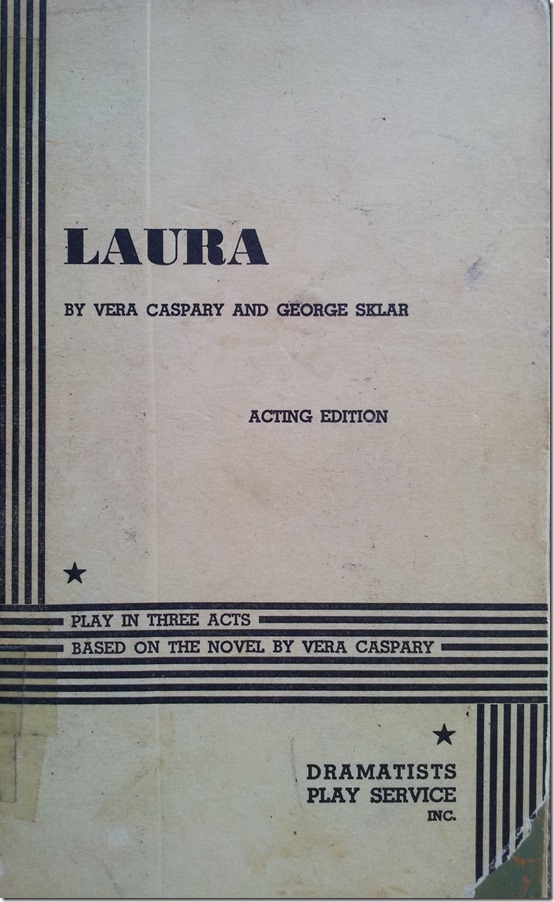
In case you just tuned in, I’m using Louella Parsons’ May 15, 1944, item on Rouben Mamoulian being replaced as the director of “Laura” to take a meandering look at the making of the film, which was released in Los Angeles in November 1944.
So far, we have examined the early writing career of “Laura” novelist Vera Caspary, four murder mystery films made between 1932 and 1938 based on variations of a story titled “Suburb,” which Caspary sold to the studios eight times before Paramount told her to knock it off. We made a brief detour to “Easy Living,” in which we found that in adapting Caspary’s original story for the screen, Preston Sturges discarded everything but the title and the principal plot device: a fur coat.
We also looked at Caspary’s attempts at writing for the stage, finding that although she labored diligently on plays, they did not turn out well. Her previous effort before “Laura,” “Geraniums in My Window,” received 27 performances on Broadway and earned poor reviews. New York Times critic Brooks Atkinson described “Geraniums” as “a misshapen piece of Broadway clap-trap.”
”Laura” began as a play – and not a very good one.
The Making of “Laura” Part 1 | Part 2 | Part 3 | Part 4 | Part 5 | Part 6 | Part 7 | Part 8 | Part 9 | Part 10 | Part 11 | | Part 12 | Part 13
Spoilers ahead.
July 30, 1944
The youthful glamour department at MGM is in the hands of two young ladies whose widely divergent careers started about the same time. June Allyson, without five minutes’ training, went to Broadway and got herself a job in the chorus. Gloria de Haven, the daughter of the Carter de Havens, has been trained to be an actress from the day she learned to walk, and this training was backed by an education in private schools.
From the Philadelphia Inquirer via Fultonhistory.com.
Today is Elizabeth Short’s birthday. She would have been 90.
July 29, 1944
The most sought-after stage play of the year, “The Voice of the Turtle,” goes to Warner Bros.
It was flashed from New York that Jack Warner had bought John Van Druten’s Broadway hit, and the news was verified by Warners. Jack Warner personally closed the deal out here with Alfred de Liagre Jr., the producer.
This is not the original $3-million deal that included radio, screen and television rights; it is solely for motion pictures. While Warners would not verify any price, from another source I learned that over a half-million was paid, the highest price yet to be paid for any vehicle.
Margaret Sullavan and Elliott Nugent reopen in “The Voice of the Turtle” Aug. 28 in New York, and a second company will open in Chicago.
LEO: Avoid roundabout way or unscrupulous people and plans. Right will catch up to you sooner or later. Show Leo’s high purposeful character, no matter what!
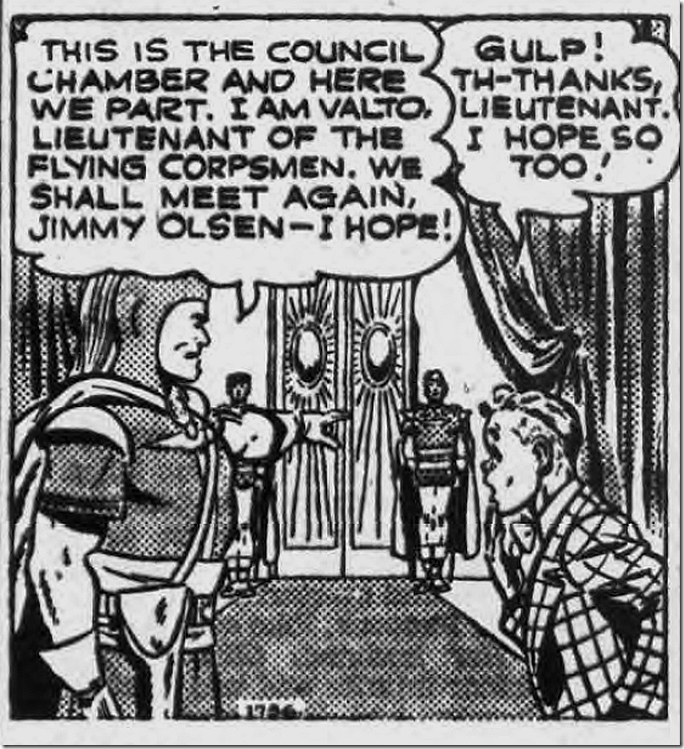
Also: Hotshot Charlie in “Terry and the Pirates.”
From the Philadelphia Inquirer via Fultonhistory.com.
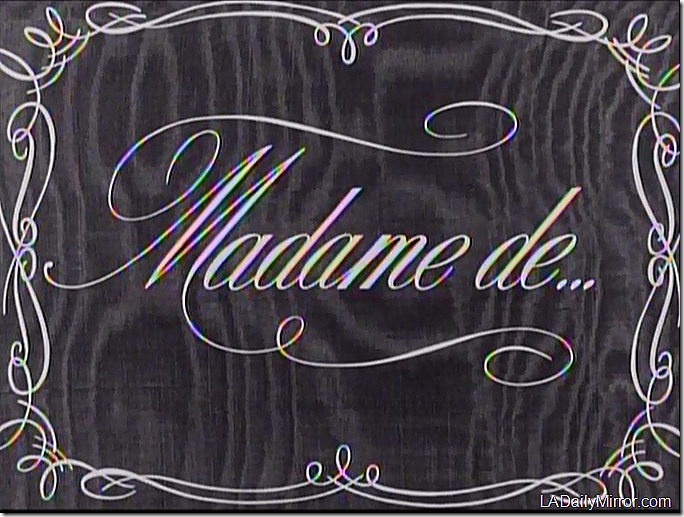
This week’s movie was “The Earrings of Madame de…” based on the novel by Louise de Vilmorin
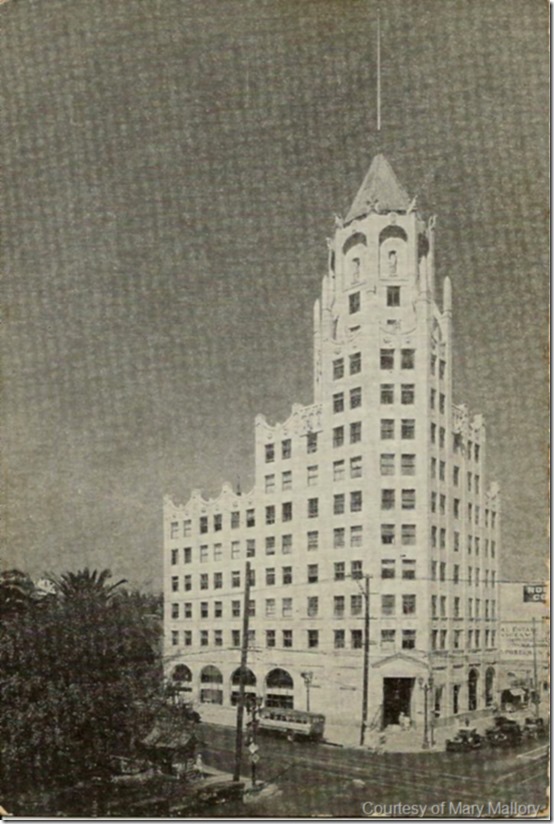
Hollywood First National Bank Building, Courtesy of Mary Mallory.
Soaring to the skies, displaying confidence in Hollywood’s unlimited future, the First National Building, constructed and opened in 1928, brought Art Deco-Gothic beauty to Hollywood Boulevard and Highland Avenue. Operating as bank and office building for decades, the First National Building celebrated Hollywood’s business success and its glorious potential, a economics temple.
The Hollywood and Highland intersection served as the western end of Hollywood Boulevard’s business district, anchored by the regal Hotel Hollywood. Businesses sprang up around it, two blocks north of Hollywood High School. The First National Bank of Hollywood built a branch here, leasing space on its upper floor to the Frank Meline Co. Meline operated its Hollywood office here at 6777 Hollywood Blvd. from 1920, offering properties in the immediate area for sale. Buster Keaton even filmed a scene from his 1921 short “The Goat” looking south from a garage at 1741 N. Highland Ave. toward the intersection, per John Bengtson on his blog, “Chaplin-Keaton-Lloyd Film Locations.”
Mary Mallory’s “Hollywoodland: Tales Lost and Found” is available for the Kindle.
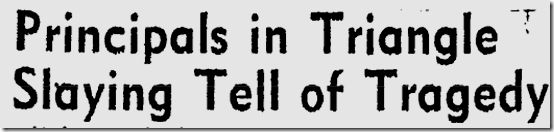
“Here’s a good spot to shoot, baby” are the probably the last words spoken by William B. Smith, 39, a dental technician (or a shipyard worker, depending on the story) who was confronted by his angry girlfriend, waitress Mildred Cook, 30, after he told her that he was reconciling with his wife, according to a Times story.
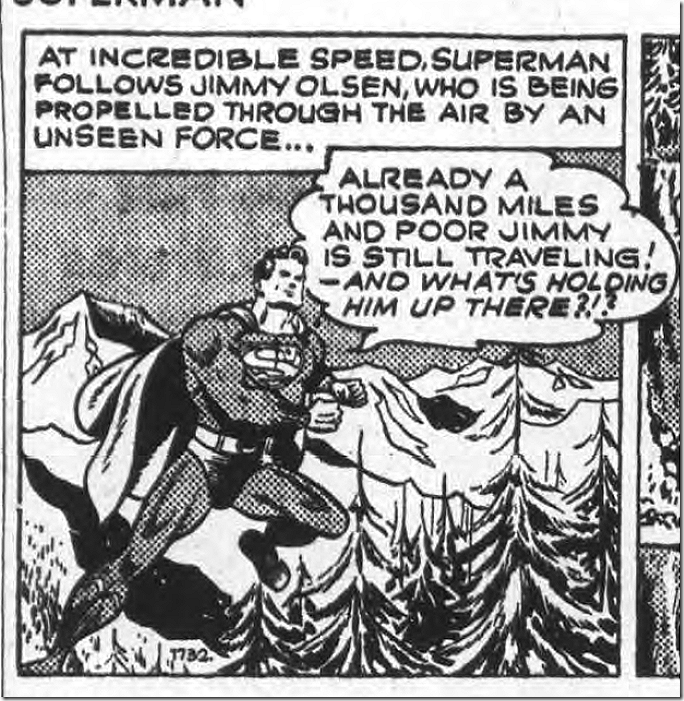
July 25, 1944
George Raft has always hankered after romantic parts. Time after time he has turned down “heavy” roles that have brought fame to other actors. But George has always argued that fans like romance and adventure, so it’s interesting that RKO has bought “Mr. Angel Comes Aboard,” the Charles Gordon Booth book. It gets the new title of “Johnny Angel” and George plays a modern swashbuckler and adventurer. He goes to RKO as soon as he finishes “Nob Hill” at 20th. Speaking of George – he’s about 20 pounds thinner and looks much better.
Loretta Young and Col. Tom Lewis have not bought “Bugsey” Siegel’s mansion. Too expensive, they decided, and the baby, due in a month, will have its first nursery in the house where they now live.
LEO: Power of thought, predicated with determined action, should render effectual assistance in solving tasks successfully. Don’t abuse or dissipate health.

July 24, 1944
Jennifer Jones, a quiet, 24-year-old movie newcomer, last March startled Hollywood by winning the Academy Award for her performance in “The Song of Bernadette.” In her second major movie, “Since You Went Away,” she gives another warm and sensitive performance. She is especially good in scenes with her real-life husband, Robert Walker, from whom she is separated.
The modern farm woman wants – electricity!
No one is surprised that Franklin D. Roosevelt agreed to run for a fourth term, but Life has editorials pro and con.
Gen. Charles de Gaulle visits New York.
The movie of the week is “Since You Went Away.”
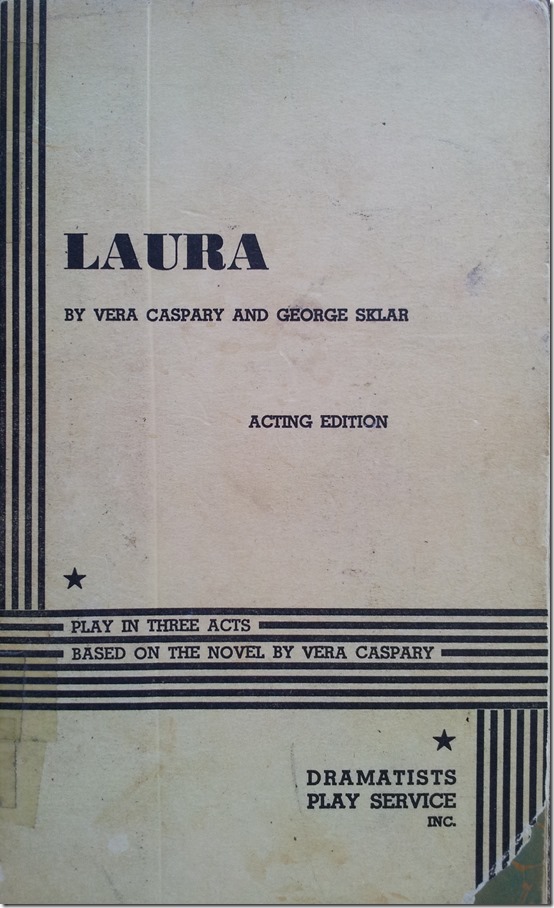
Vera Caspary’s second attempt to turn “Laura” into a play, in collaboration with George Sklar.
In case you just tuned in, I’m using Louella Parsons’ May 15, 1944, item on Rouben Mamoulian being replaced as the director of “Laura” to take a meandering look at the making of the film, which was released in Los Angeles in November 1944. So far, we have examined the early writing career of “Laura” novelist Vera Caspary, four murder mystery films made between 1932 and 1938 based on variations of a story titled “Suburb,” which Caspary sold to the studios eight times before Paramount told her to knock it off, and a brief detour to “Easy Living,” in which we found that in adapting Caspary’s original story for the screen, Preston Sturges discarded everything but the title and the principal plot device: a fur coat.
At long last, we will return to the point in Part VI, in which Caspary said she had tried to write a “mystery play.”
In her autobiography, “The Secrets of Grown-Ups,” Caspary wrote: “In a suitcase lay the scruffy typescript of the play I’d written as an escape from political argument.”
The Making of “Laura” Part 1 | Part 2 | Part 3 | Part 4 | Part 5 | Part 6 | Part 7 | Part 8 | Part 9 | Part 10 | Part 11 | | Part 12
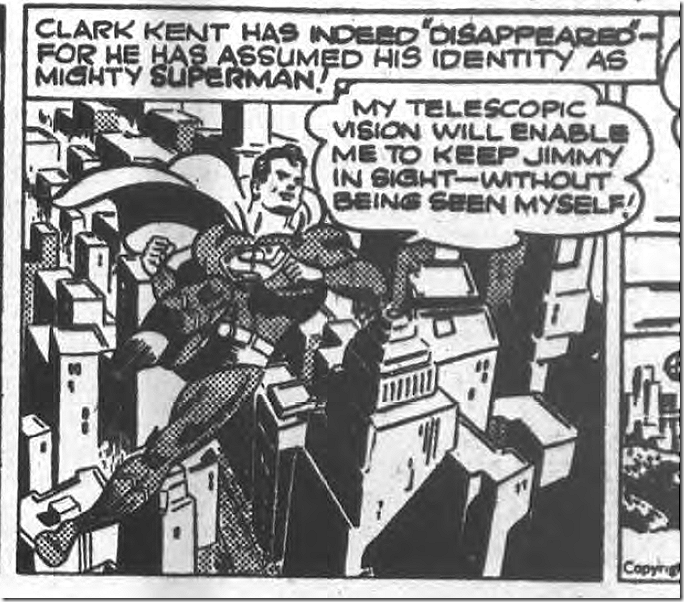
July 24, 1944
Jeanette MacDonald’s absence from all social activities this summer is explained. She opens with the Chicago Civic Opera Co. in November and she has been studying hard with Lotte Lehman and her teacher of many years, Grace Adele Newell, to prepare herself for her debut. The contract, signed by Maestro Fausto Cleva, calls for three performances – two of “Romeo and Juliet” and one as Marguerite in “Faust” to be sung in French.
Bebe Daniels writes that the theater where she has been playing in “Panama Hattie” in London was hit by a robot bomb. None of the cast was in the theater, thank heaven.
LEO: Stars offer generous scope for both personal and business affairs. Your particular talents and skill favored; also domestic and social obligations.
Dear Martha Foster: Until eight months ago my husband and I were very happy with our two children. Then, one day at a plant party, he playfully kissed his secretary, and she took him seriously. She declared her love for him and there have been kisses and declarations of love at various times since. I learned this through a note I intercepted from her about a month ago.
In case you just tuned in, I was given a box of material that was cleaned out of the old press room — the “Cop Shop” — when Parker Center was closed.
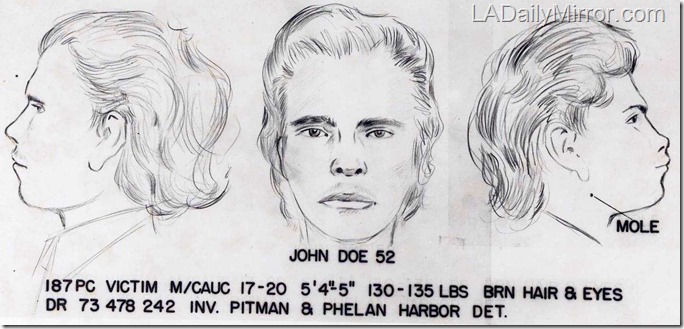
Today we have an artist’s sketch of John Doe No. 52, a homicide victim described as a white male, age 17 to 20, about 5 foot 4, 130 pounds with brown hair and brown eyes.
I have no further information about this case. Judging by the DR number, I would assume it occurred in 1973.

