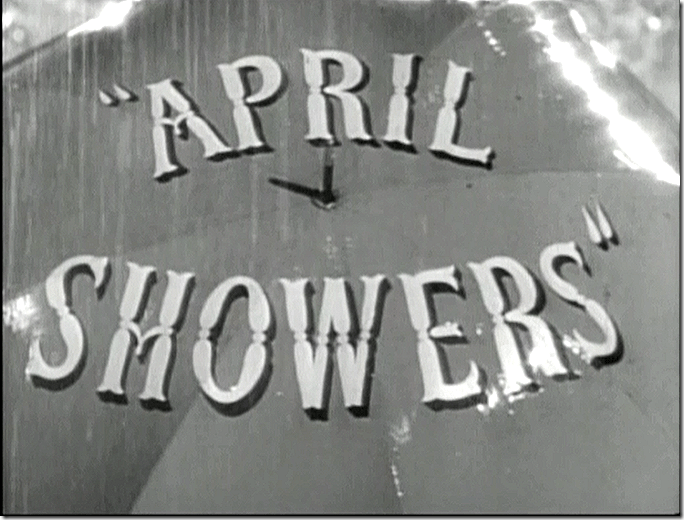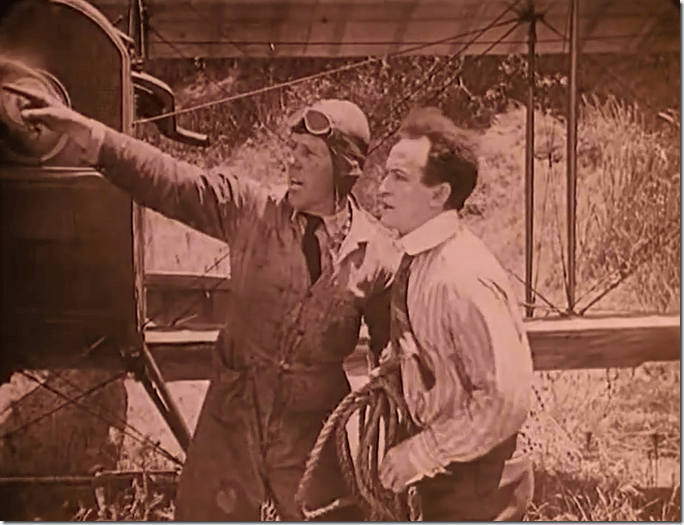
This week’s mystery photos are courtesy of guest host Earl Boebert, who says: I was laid up for a bit recuperating from some heavy-duty dental work, and being constitutionally incapable of sitting idle I worked up this mystery photo series for you to enjoy, chuck, or use as you see fit. Don’t feel obligated — it already served its purpose by getting me on the other side of an aching jaw 🙂
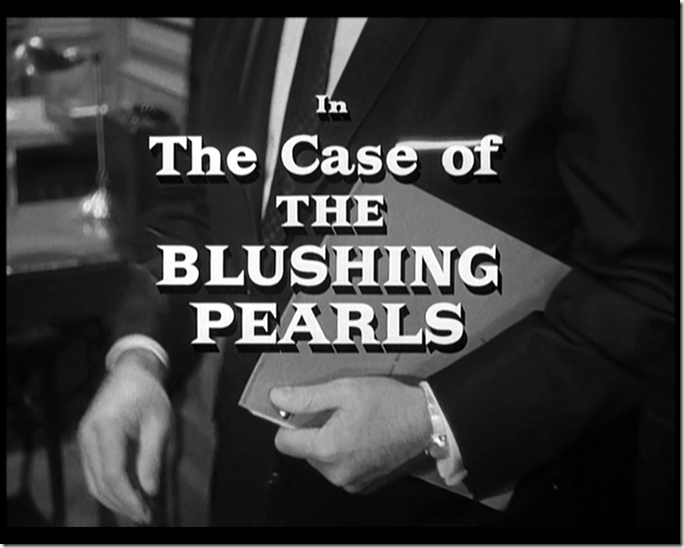
This is Season Three, Episode Four of “Perry Mason” — “The Case of the Blushing Pearls.(1959)” One of the more obscure episodes, seldom syndicated because the already convoluted plot was rendered unintelligible by the cuts to accommodate extra commercials. It does have an interesting array of 30s – 40s character actors and one subsequently famous cast member, and is distinctive amongst the early Perry Masons in that the victim is a sympathetic character.
It was the first original Perry Mason story by Jonathan Latimer, an ex-Chicago crime reporter and ex-pulp fiction author who had already adapted two Erle Stanley Gardner stories. Latimer had previously written the screenplays for “The Glass Key” and “The Big Clock” and may have been used to the longer form — his plot could have benefitted by another 20 minutes to tie up all its loose ends. He improved, though, and ended up writing a total of 32 episodes.
The episode occupies an interesting spot in the evolving portrayal of Japanese Americans in mass media. 1959 was as close to the closing of the internment camps as 9/11 is to us today, anti-Japanese sentiment was still strong among veterans of the Pacific War, and it was just one year after the Kingston Trio’s notorious “U.C.R.A” quip on their debut album.
In this environment, and writing for the 10th-rated show that year, Latimer depicts Japanese Americans as something other than houseboys and gardeners — in this case, owners and professionals in the pearl trade. But it pretty much ends there, as he lays on just about the all of the rest of the stereotypes: a submissive female, the threat posed by an interracial marriage, hara kiri, and Charlie Chan Confucianism.