
A Trip to Oxford Avenue
Note: This is an encore post from 2007.
Here’s an interesting contrast: Oxford Avenue between Washington Boulevard and the Santa Monica Freeway and Oxford Avenue north of Washington.
South of Washington, Oxford seems a bit wider and the land between the curb and the sidewalk is fairly generous. Not so, north of Washington and the lots seem a bit smaller. Wide strips of land between the curb and the sidewalk (more than the 5 feet that is common in much of Los Angeles) were one of the points urged by Charles Mulford Robinson in his “city beautiful” proposal.
Bonus fact: Robinson also said Angelenos should plant lots of jacaranda trees along the streets, so you can thank him for all those purple blooms. First of all, here’s our featured house at 2045 S. Oxford Ave. from 1907.
Note the stucco.

And here are some of the neighboring homes:

Note: More stucco!


All things considered, I’d have to say this stretch of Oxford is a one of the more interesting areas that I’ve visited. The neighborhood is mostly intact and there’s a 1920s-style church at the end of the block next to the Santa Monica.
Now for one of the homes in the 1700 block of Oxford Avenue, which is a little funkier. Recall that the precise address listed in The Times couldn’t be located.

And for the vehicle of the week, here’s a stretch limo I saw at the Los Angeles County Arboretum in Arcadia:









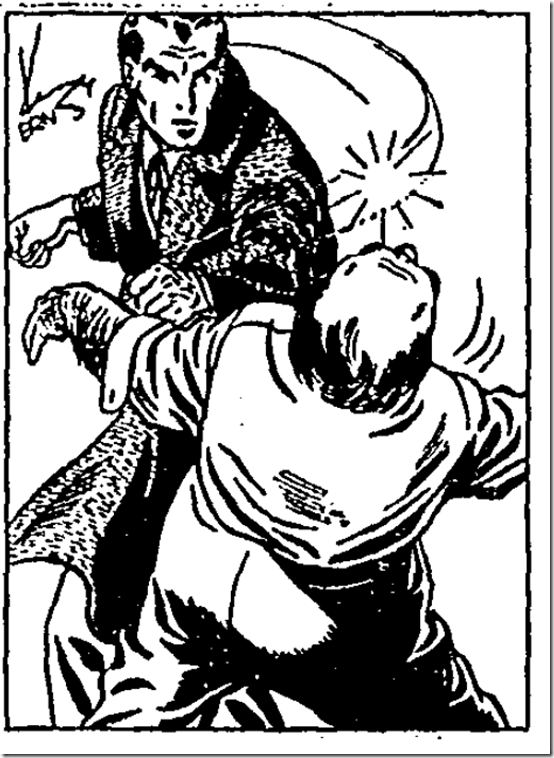
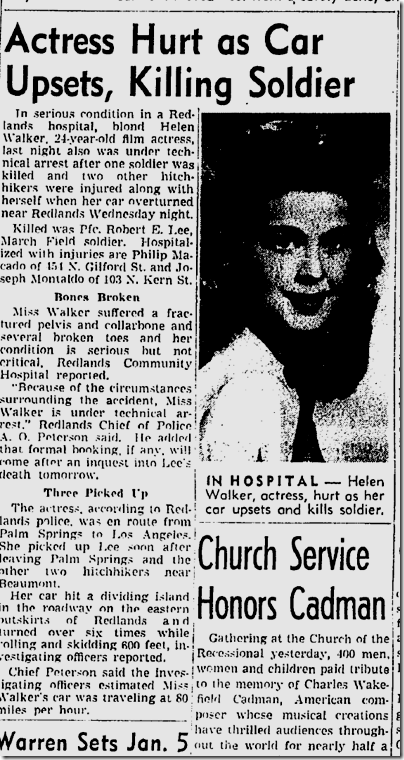 A streetcar at the junction of Sunset, Santa Monica and Sanborn west of Silver Lake Reservoir drags a pedestrian 160 feet, only stopping when other streetcar operators blow their whistles and people on the street begin yelling . . . an underground explosion at 9th Street and Grand blows tons of concrete, asphalt and overhead trolley cables into the street and sends manhole covers shooting into the air . . . at the inquest for his dead son, Jacob J. Satton tries to attack his estranged wife’s boyfriend, an 19-year-old AWOL soldier who is charged with beating the baby to death while Viola Satton was at work.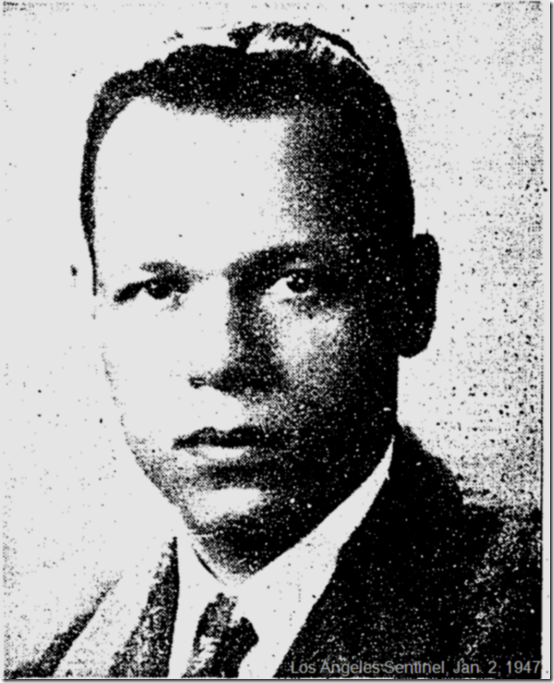

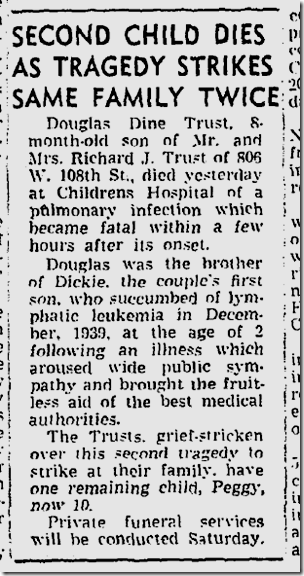 Jan. 2, 1947: In the fall of 1939, The Times carried a series of heart-wrenching stories about Dicky Trust, a toddler who was diagnosed with leukemia, which was then incurable.


 Deer Fokes:


 ladailymirror.com