 Note: This is a repost from 2011.
In 1962, I was a seventh-grader at Washington Junior High School in Naperville, Ill. On Dec. 7, Mr. Humbert, our social studies teacher, put aside the regular curriculum to give his young pupils a firsthand account of Pearl Harbor.
Many years later, I contacted Mr. Humbert. He didn’t remember me (I was not a stellar student) but he was thrilled to get a phone call from one of his former charges who wanted to hear once more about Pearl Harbor.
Rene P. Humbert died in 2002 at the age of 81. I was his student in a much more formal era of American life. Male teachers wore coats and ties, and didn’t share much about their personal lives. I don’t even remember him mentioning that his brother’s fighter plane had been shot down in June 1944 over France.
What I learned many years later was that Mr. Humbert joined the Navy at 19, went through all of World War II and was called back for the Korean War. Perhaps one reason he was a little hard on us Baby Boomers in the wealthy suburbs of Chicago was because he didn’t graduate from high school, but got a GED and started college at the age of 31 under the G.I. Bill
Mr. Humbert was on the San Francisco, a heavy cruiser, during the Pearl Harbor attack and the ship was untouched except for shrapnel because the Japanese were concentrating on the larger ships. He was also in the Battles of the Coral Sea, Midway and Guadalcanal. In one battle, Rear Adm. Dan Callaghan and Capt. Cassin Young were killed by a 14-inch shell that hit the San Francisco’s bridge.
What follows is his account. I have edited his brief biography very lightly after scanning a typewritten copy with my optical character recognition software. And I have incorporated portions of his Pearl Harbor account from the Pearl Harbor Survivors website.
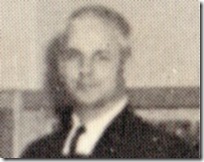
Photo 1: Rene Humbert, Washington Junior High, 1964.
Photo 2: Rene Humbert, no date.
Continue reading →


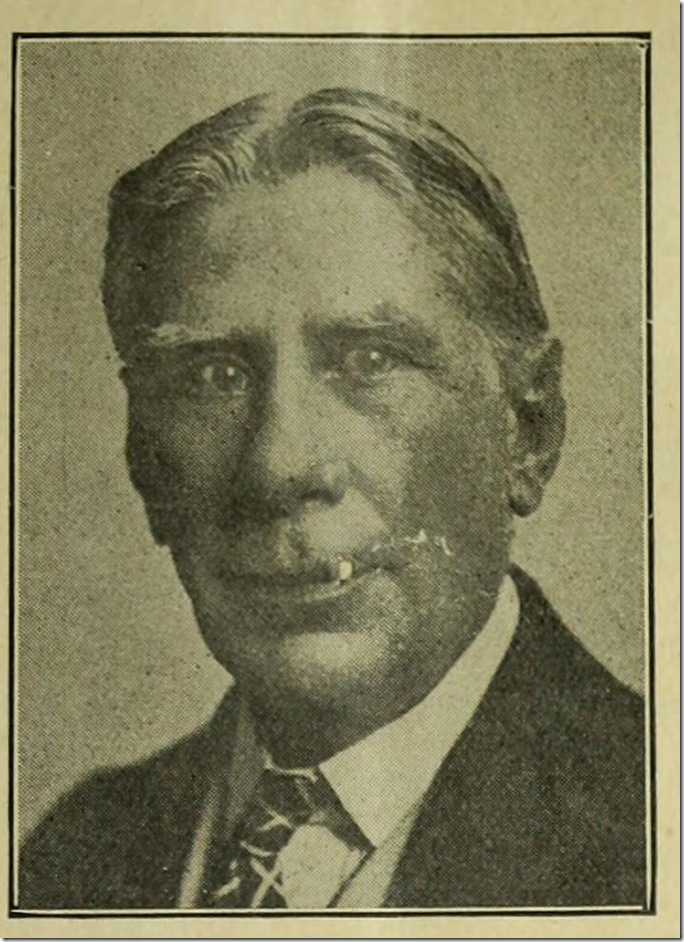 Tote DuCrow
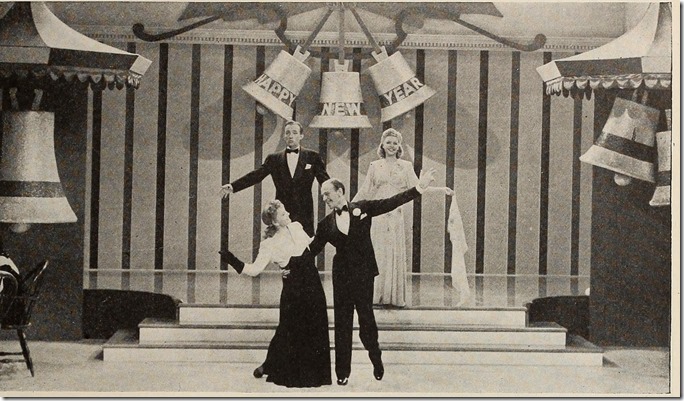
 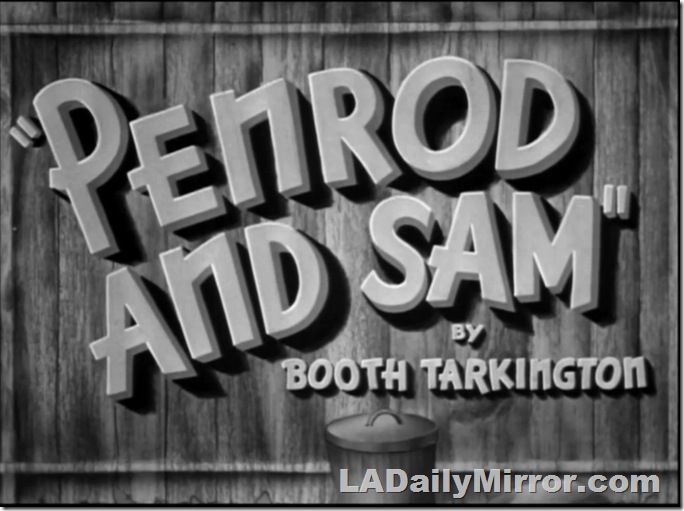 This week’s mystery movie was the 1937 Warner Bros. film Penrod and Sam, with Billy Mauch, Frank Craven, Spring Byington, Craig Reynolds, Jackie Morrow, Philip Hurlick, Charles Halton, Bernice Pilot and Kenneth Harlan.
 ladailymirror.com