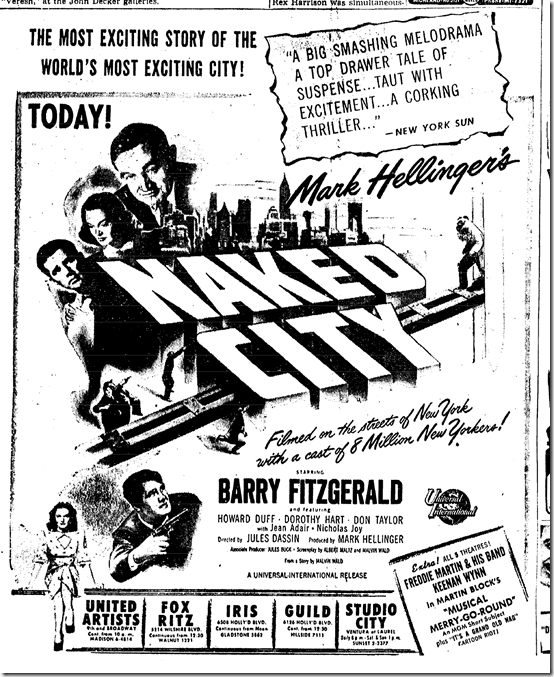
March 10, 1948: “Naked City” opens in Los Angeles. Credit: Los Angeles Times
Several years ago, when Kim Cooper of the 1947project and I were briefly discussing a book, I did some research on film noir, particularly “Naked City,” the last movie by producer Mark Hellinger, who died Dec. 21, 1947, at the age of 44. At one point, I went through microfilm of old issues of American Cinematographer to see how World War II had changed the movies.
Reading the 1947-48 Cinematographer articles was a profound experience because they strip away all the layers of over-intellectualized, uber-aesthetic, DVD Web page claptrap that have been written about film noir over the years.
The motives and the causes were simple and easy to understand, and frankly most of them were workmanlike solutions to workmanlike problems: Crews had become accustomed to shooting on location — in combat or making training films — often with minimal lighting and small, 16-millimeter cameras.
There was also a strong emphasis on naturalism, with actual locations, real people and minimal makeup. One of the films that came out of this new perspective was “Naked City” for which William Daniels (d. 1970) won an Academy Award for black and white cinematography.
Here’s what I mean: The Cinematographer article on “Naked City” from 1948. Everything that Daniels (often described as “Garbo’s photographer”) did was for the simple reason of telling a story, with minimal lighting, real locations and crowds of actual New Yorkers. Even the majority of the cast had little previous exposure on film.
Notice one other hallmark of the film noir in “Naked City”: The movie is narrated, though not by one of the characters (like Walter Neff in “Double Indemnity” or Joe Gillis in “Sunset Boulevard”) but an external observer, Hellinger.



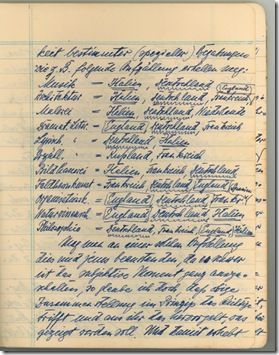


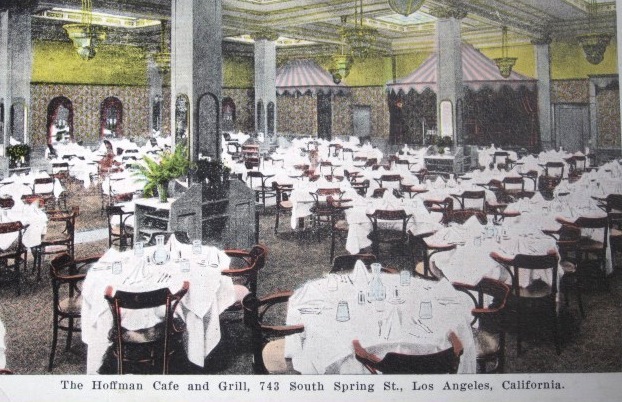
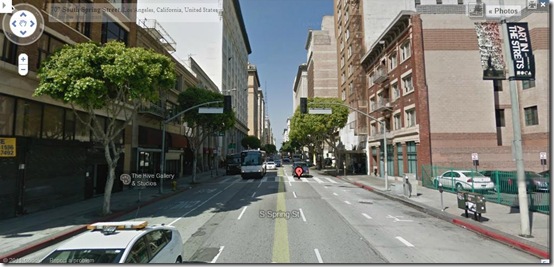
 For years, 743 S. Spring was the home of Levy’s Cafe, but sometime in the early 1920s the address became Hoffman’s. It’s not clear from The Times’ clips as to what occurred. This is what fine dining looked like in downtown Los Angeles c. 1921. This postcard has been listed on EBay.
 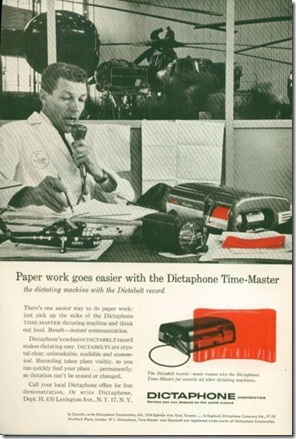 The Associated Press has filed a story on the Nixon Library and Museum’s release of more Nixon recordings. Of course, that’s not good enough for the Daily Mirror, so we tracked them down ourselves.
 July 22, 1957

 e’re celebrating our 39th day at the L.A. Daily Mirror by taking time to thank the readers for their patience as we unpack boxes and get accustomed to the new place.