

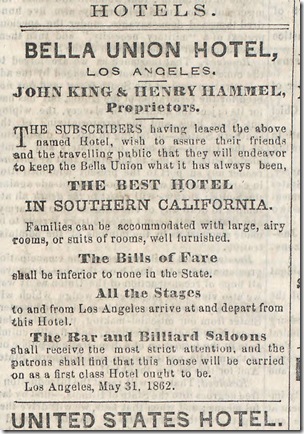
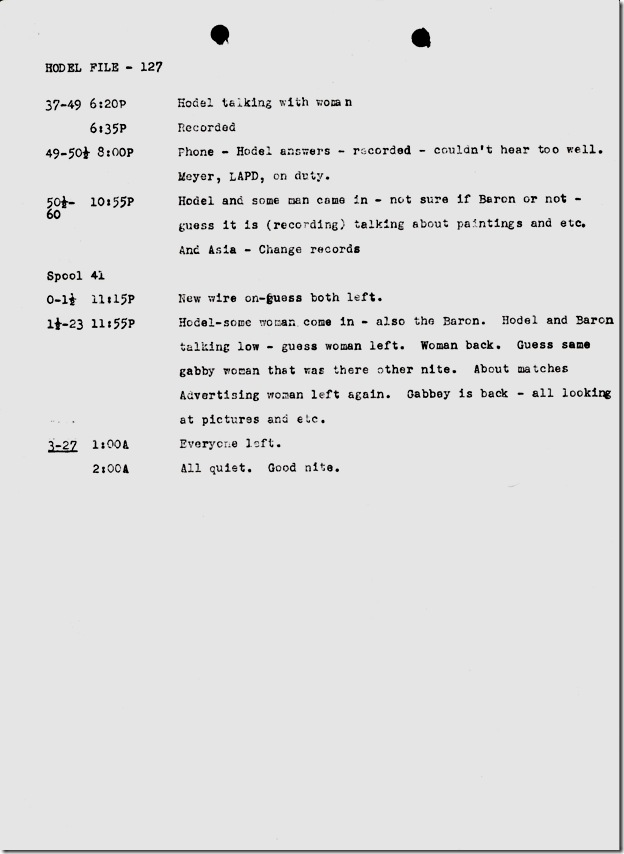
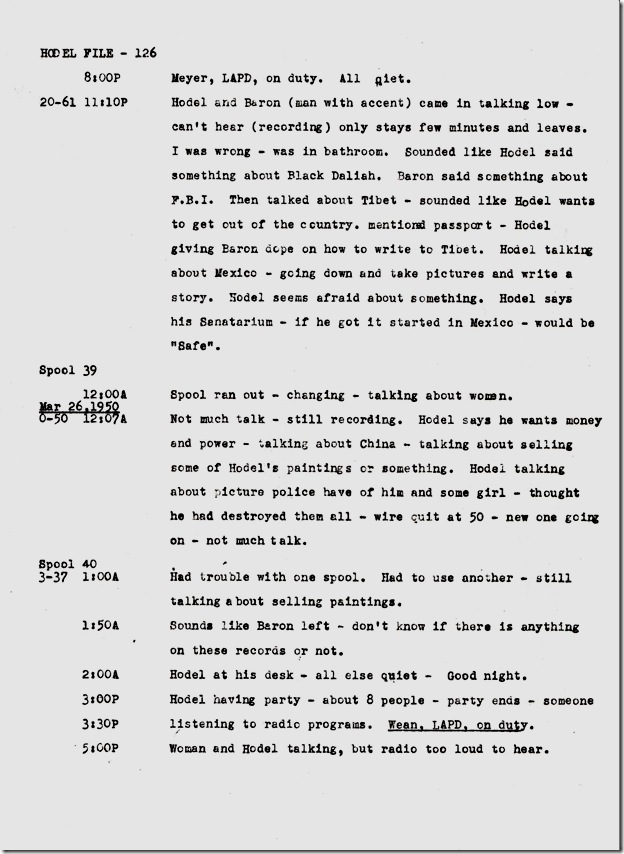
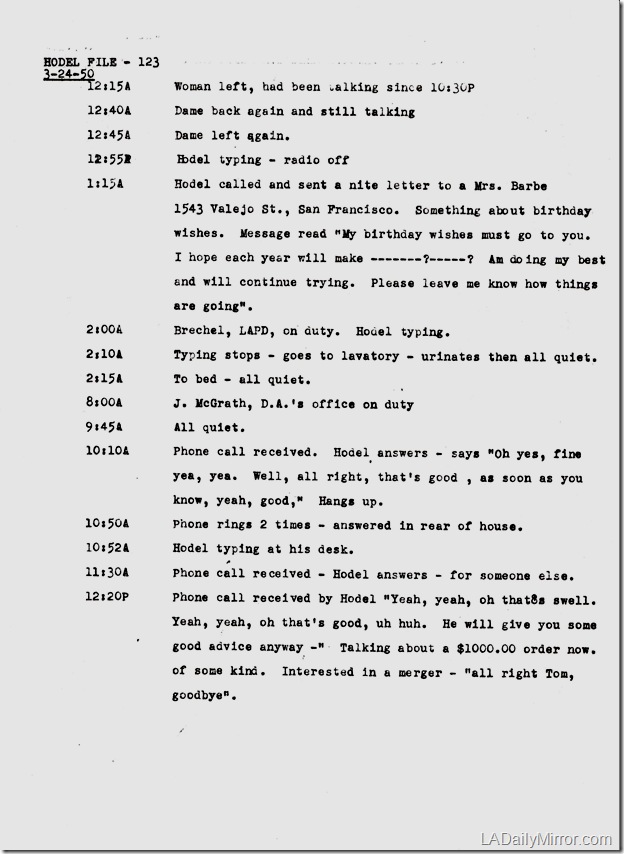
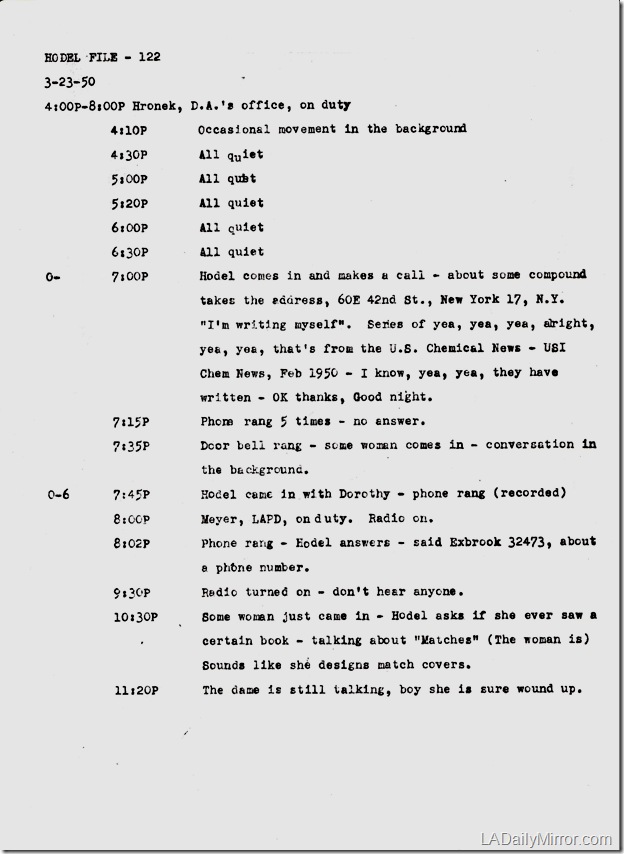
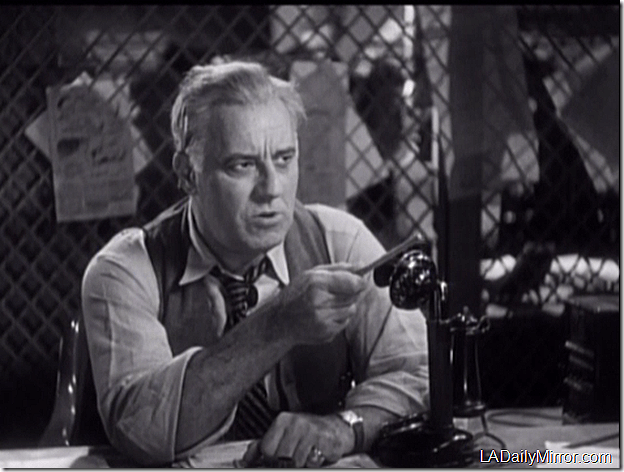
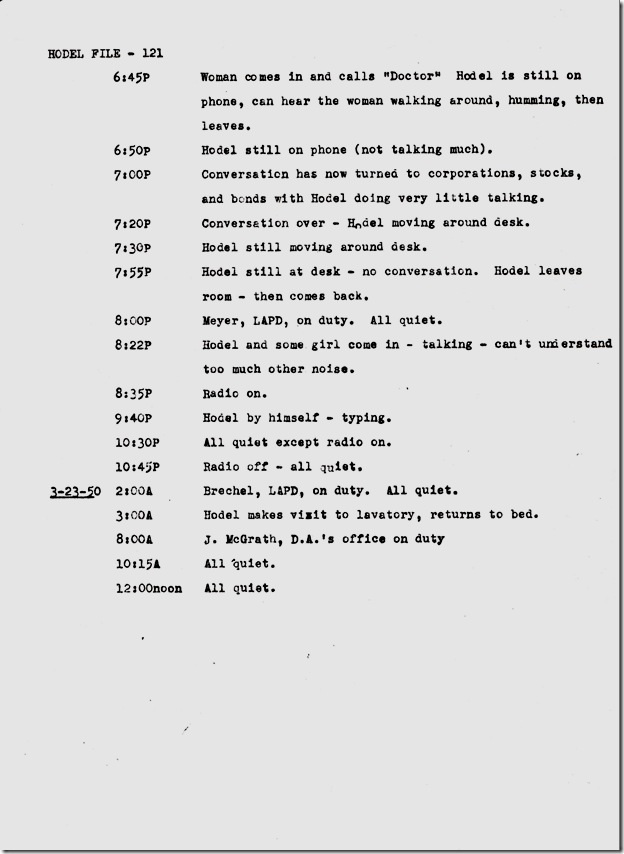
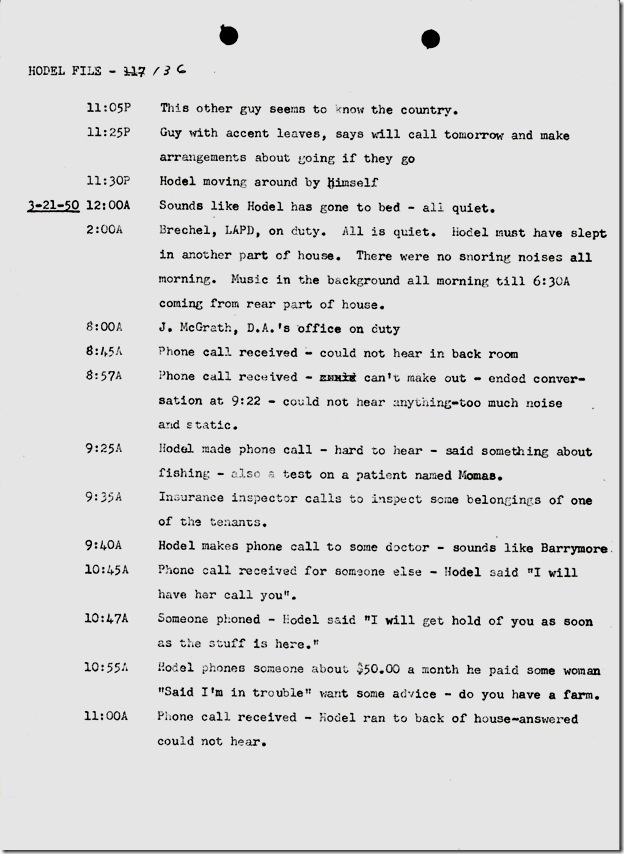
March 21, 1863: Now that we’re done with the Black Dahlia/George Hodel transcripts we can return to Los Angeles in the pages of the Star, which was brimming with vitriol against the North in the Civil War. Even when one is prepared for such sentiments, the vehemence is shocking. (For those who just tuned in, the Los Angeles Star was staunchly anti-North, and stridently pro-South and pro-Slavery.)
The dens of poverty and misery in New York and other Northern cities are about to be reinforced by a large number of contrabands. The military authorities are about to call upon the benevolent in the North to procure homes and employment for the surplus of unfortunate Negroes now on the hands of the government. In its kindness, the government will try to employ the men in good health, but the women and children must be sent North. That’s the way to do it, of course, and by the time the four millions have been started on their way to earthly glory, what a beautiful time we shall have in the Northern States.
There’s also a long description of an accident of the steamship Senator, which struck a rock off Point Fermin in heavy fog, and whaling – yes, whaling – off the coast.
This issue of the Star, which is in the collection of the Huntington, was scanned by USC and is available here.
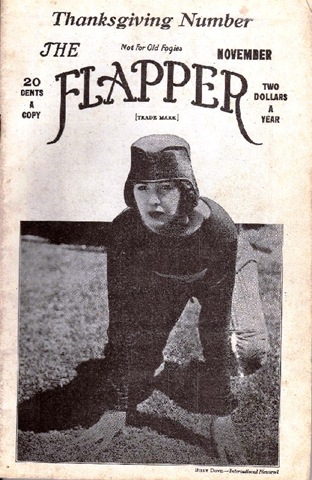
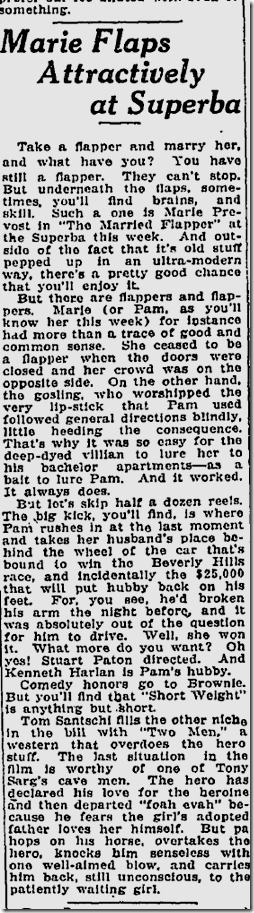 Life changed quickly in the United States post-World War I. Nowhere was this more evident than in the role and actions of young women emancipating themselves from the corseted way of life to more boldly act in self-expression. The war gave more opportunities for them to come and go as they pleased, work in new jobs, experience nightlife. Women gained the right to vote in 1920, and along with it, began bobbing their hair, smoking, rolling stockings, shortening hemlines, drinking, dancing the Black Bottom, partying, and romancing.




 ladailymirror.com