
Feb. 2, 1944
Today we have:
— Hop Harrigan in Berlin on “Hop Harrigan.” Courtesy of Archive.org.
— Lionel Barrymore is the guest on “Orson Welles’ Radio Almanac.” (Yet another joke about the housing shortage). Courtesy of Archive.org.
Feb. 2, 1944
Today we have:
— Hop Harrigan in Berlin on “Hop Harrigan.” Courtesy of Archive.org.
— Lionel Barrymore is the guest on “Orson Welles’ Radio Almanac.” (Yet another joke about the housing shortage). Courtesy of Archive.org.

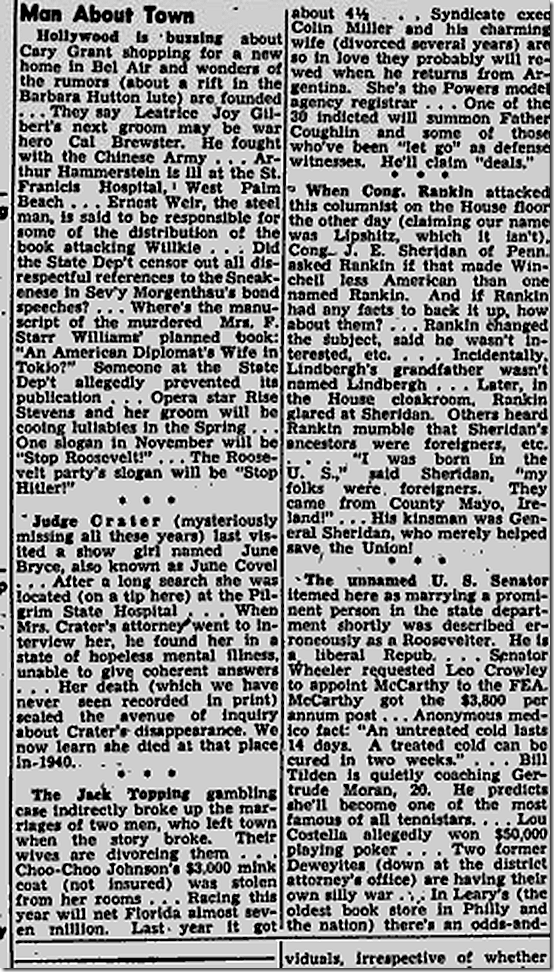
Feb. 2, 1944: Let’s go to press! Cary Grant is “shopping for a new home in Bel-Air” stirring rumors about a rift with Barbara Hutton!
“Another movie star and his wife apparently are on the verge. He’s squiring Evelyn Carmel here. She’s the Venus de Nylon. “
From the St. Petersburg Times.

Feb. 1, 1944: “The Duke in the Darkness,” a starrer for Philip Merivale, drew regrets that the author of “Angel Street” had used a rickety typewriter to fashion this one … “The Song of Bernadette,” coming in on a 12-cylinder build-up, proves itself worthy of all the hooraying…. Jennifer Jones, a newcomer, plays the miracle healer who was sainted — and Hollywood is hers from now on.
From the St. Petersburg Times.
Feb. 1, 1944
It’s Tuesday in 1944 and today we have:
— “Adventures of the Sea Hound.” Courtesy of Archive.org.
— Billie Burke is the guest on “Duffy’s Tavern.” Courtesy of Archive.org.
— “Fibber Buys a Diamond Ring” on “Fibber McGee and Molly.” Courtesy of Archive.org.
— “A Quiet Wedding” with Frank Lovejoy on “Romance.” Courtesy of Archive.org

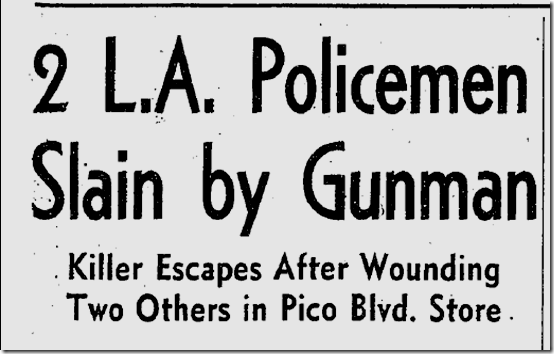
Feb. 1, 1964: Police Sgt. Charles Paul Monaghan and Officer Robert M. Endler of the Wilshire Division are shot to death while investigating a man passing a bad check at the Sears store, 4550 W. Pico Blvd. He was arrested in Chicago a few days later.
In June 1964, gunman Leaman Russell Smith, and Barbara Walker and Donald Castner, Smith’s partners in the forgery ring, were found guilty of first-degree murder. Smith’s death sentence was later commuted to life in prison in 1972, when California’s capital punishment was ruled unconstitutional.
In July 1977, Smith walked away from a minimum-security facility in Vacaville, where he had been assigned as a firefighter. He was captured by the FBI after an eight-month search. Opponents of his parole noted bitterly that his escape did not affect his eligibility for release.
In August 1982, officials learned that Smith was scheduled to be paroled in March 1983, provoking a firestorm of controversy. Endler’s widow and daughter, and Monaghan’s widow testified before the parole board against Smith’s release and his parole was rejected.
According to California death records, a Leaman R. Smith died in Solano County, Calif., on Nov. 23, 1996. He was 66.
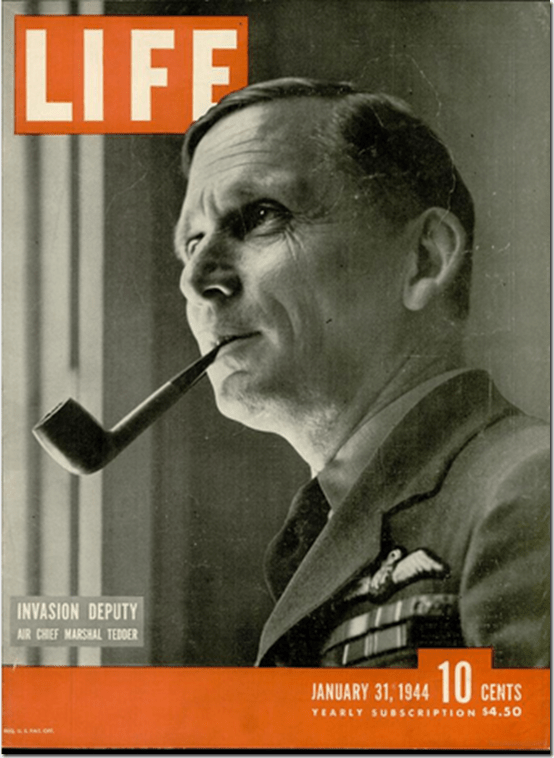
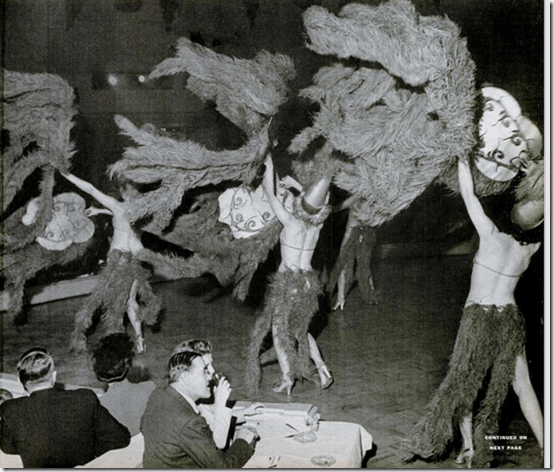
Jan. 31, 1944: The cover photo shows Air Chief Marshal Sir Arthur William Tedder, G.C.B., chosen as Gen. Eisenhower’s deputy commander for the invasion of Europe. The featured movie is “Lifeboat” and Life pays a visit to the Florentine Gardens. Courtesy of Google.
Jan. 31, 1944
Today we have:
—“Random Harvest” with Ronald Colman and Greer Garson on Lux Radio Theater. Courtesy of Archive.org.
Jan. 30, 1944
It’s a Sunday in 1944 and today we have:
— “Marjorie the Actress” on “The Great Gildersleeve,” starring Harold Peary. Courtesy of Archive.org.
—Mark Hellinger is the guest on a program promoting “The Horn Blows at Midnight” on “The Jack Benny Show.” “Paper Doll” must have been popular in January 1944 because this is one of several shows that referred to it. Also gags about the housing shortage. Courtesy of Archive.org.
—“The House of Death” on “The Mysterious Traveler.” Courtesy of Archive.org.

I don’t know how this nonsense gets started. There is nothing to show that Elizabeth Short ever set foot in the Cecil Hotel, as claimed by KABC-TV Channel 7.
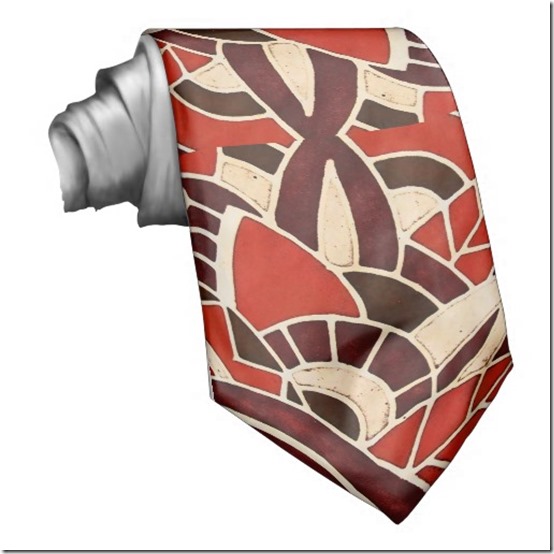
Leave it to Marc Chevalier to come up with this. Marc took the image of one of the glass panels from the Oviatt Building and turned it into a custom necktie, via Zazzle. The tie is $29.95. You can even create your own design.
Jan. 29, 1944
It’s Saturday in 1944 and today we have
— “The Unwilling Accomplice” on “Nick Carter, Master Detective.” Courtesy of Archive.org
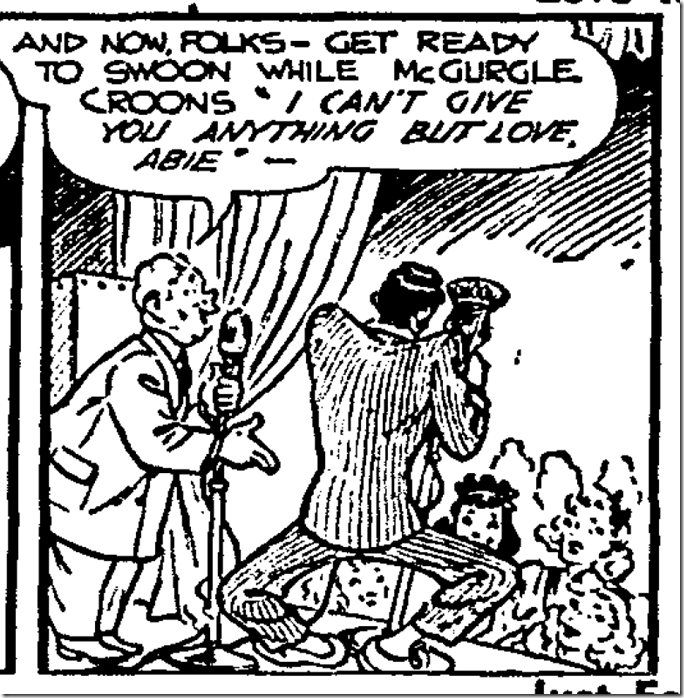
Jan. 29, 1944: The Times reports Frank Sinatra’s film debut in “Higher and Higher”:
A generous quota of young girls attended the first showings and their ecstatic whinnyings recorded each and every appearance of their hero. In one house, at least, these childish squeals caused annoyance at first and gales of laughter as they continued.
The Rev. Namon Hartson and the Rev. John Ginter of the Pentecostal Church of God of America, 5901 Compton Ave., plead not guilty to allegations by their war-working neighbors that their late-night services make too much noise.
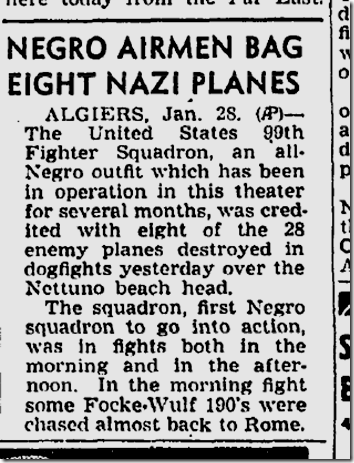
Fliers of the African American 99th Fighter Squadron are credited with shooting down eight Nazi planes.
Here’s a few Pete Seeger songs I pulled together in his memory.
“Frankie and Johnny” sung by Pete Seeger. Courtesy of Archive.org.
“John Henry” with Big Bill Broonzy and Pete Seeger. Courtesy of Archive.org.
“Pete Seeger Marathon” from 1969. Courtesy of Archive.org
“You Can’t Make a Living in a Cotton Mill.” Courtesy of Archive.org.

March 9, 1936: Times artist Charles Owens and columnist Timothy Turner visit the Melrose tourist hotel on Grand between 1st and 2nd streets, which was connected to the old Rowan mansion. Turner paints wonderful portraits of life in Los Angeles in the 1890s. “It still has the old furniture in its lobbies, some ornately carved Chinese pieces and rocking chairs galore for it was the age of ‘the rocker.’ “

After watching a crew build the forms and a couple of cement trucks pouring the concrete, I finally saw the completed concrete house at 747 S. Los Robles Ave. in Pasadena. Unfortunately, it’s not clear who designed the house.

And here’s a closer view.
The home is listed at $2.5 million, according to Zillow.
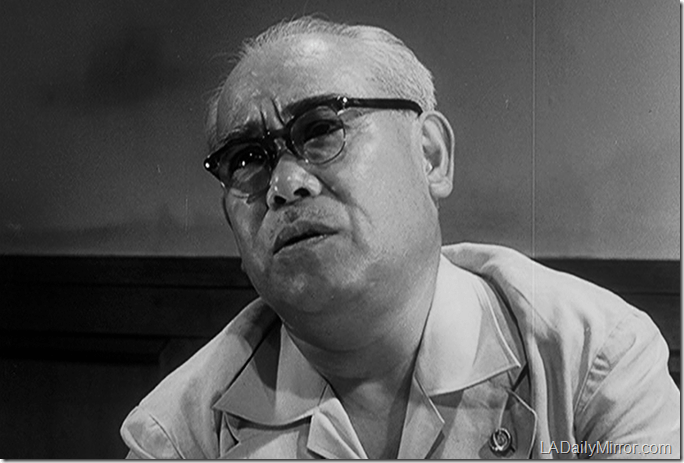
And for Monday, we have a mystery gent.
Update: One of the many things that is notable about Akira Kurosawa’s “I Live in Fear” (1955) is how much the actors disappear into their characters. Burt Lancaster, for all his talent, is always Burt Lancaster. But as Michael Ryerson pointed out, Toshiro Mifune is barely recognizable as the paranoid industrialist Kiichi Nakajima, who wants to uproot his family (and his mistresses and their children — ahem) and move them to Brazil because he’s afraid of another atomic attack.
The same is true for Takashi Shimura, better known as the leader of the “Seven Samurai.” In “I Live in Fear,” he plays a rather meek, humble dentist who is a mediator in family disputes.
Monday’s mystery gent, Toranosuke Ogawa, also appears in “Seven Samurai,” but in a small role. Likewise, Thursday’s mystery fellow, Minoru Chiaki, appeared in many Kurosawa films, including “Stray Dog,” Rashomon” and “Throne of Blood.”
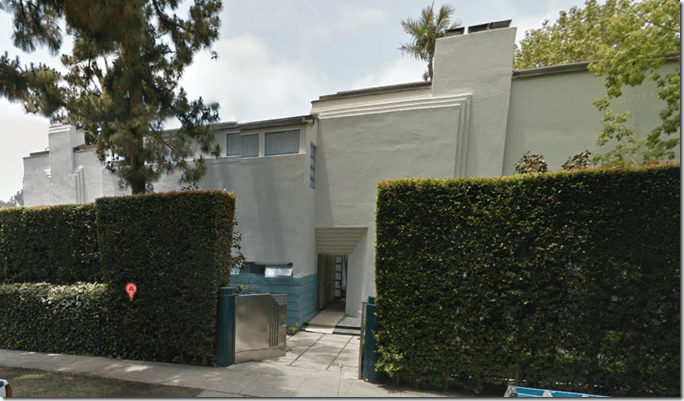
The Cedric Gibbons home, via Google Street View.
Celebrity has often been the cachet for creating style, fashion and cultural trends, especially with the advent of films. Stars wearing a particular designer’s couture, driving a certain car, or a female star wearing pants, started tongues wagging and led average citizens to try to copy their style. Movies themselves fashioned popular trends in music, style and even architecture.
The gorgeous jewel box of a home belonging to 11-time Academy Award-winner MGM art director Cedric Gibbons and his wife, actress Dolores Del Rio, epitomizes Hollywood glamour, and still stands as one of the outstanding examples of home as art in Hollywood. All sleek lines and geometric patterns, it stands as a Streamline-Moderne masterpiece, the perfect representation of one of Gibbons’ MGM luxurious set designs come to life.
Mary Mallory’s “Hollywoodland: Tales Lost and Found” is available for the Kindle.
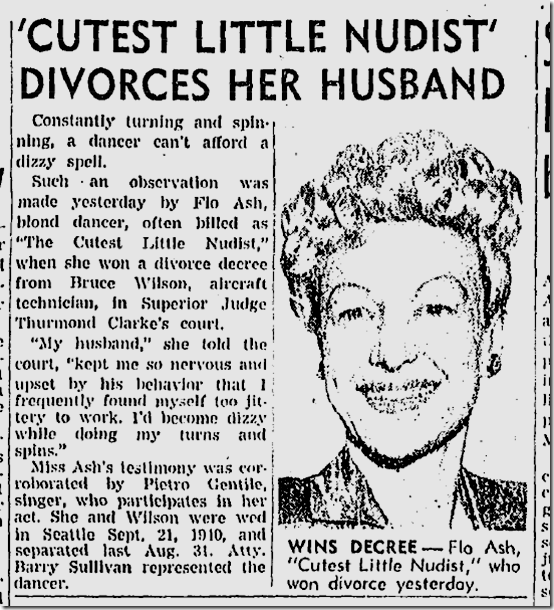
Jan. 26, 1944: “Flo Ash” is one of my favorite names from 1940s Los Angeles. In 1940, she sued the Florentine Gardens and producer Nils T. Granlund over use of the nickname “Cutest Little Nudist.”

Jan. 26, 1944
It’s Wednesday in 1944 and today we have:
— “The Adventures of Mr. and Mrs. North,” sponsored by Woodbury’s Facial Soap, for “the skin you love to touch.” Courtesy of Archive.org.
— Groucho Marx on the first program of “Orson Welles’ Almanac,” sponsored by Mobil Gas and Oil. Listen to Welles deliver the horoscope! Courtesy of Archive.org.
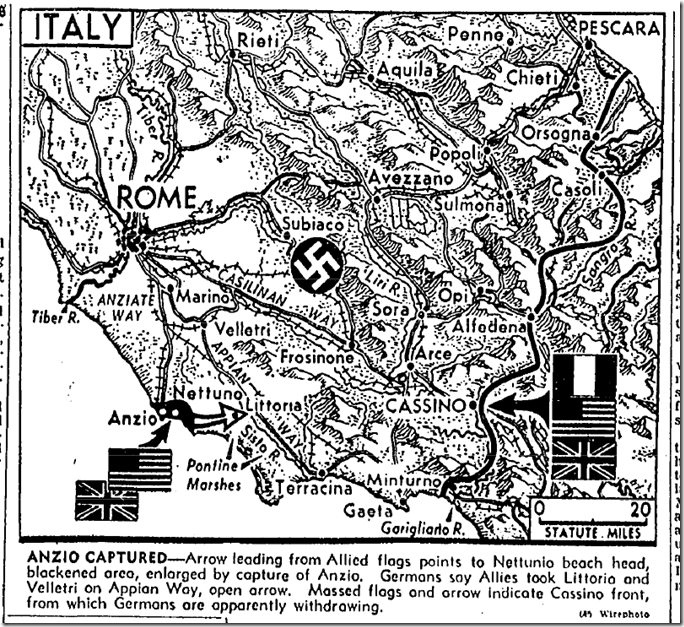
Jan. 26, 1944: A brief BBC excerpt, courtesy of Archive.org.

