
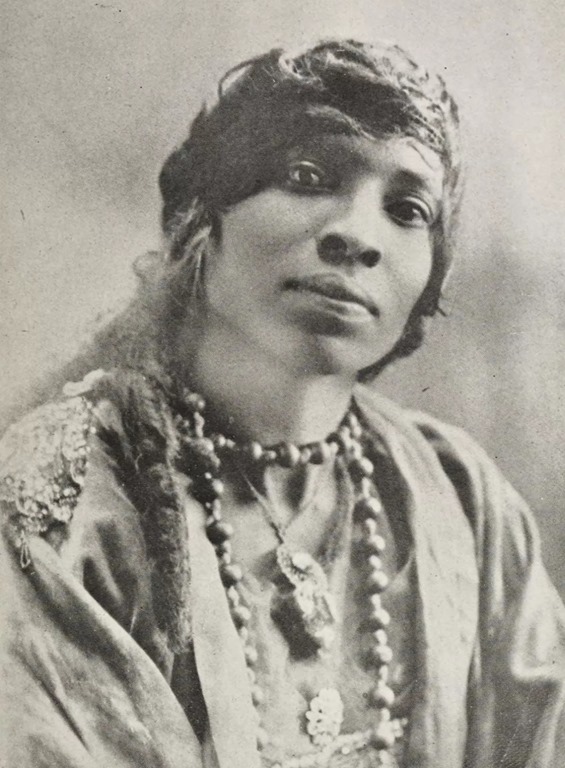
Often overlooked for her contribution to cinema, Nellie Conley, known onscreen as Madame Sul-Te-Wan, was the first African American signed to a film contract at a time when they possessed few rights or recognition in American society, unless they were performers or accused of crimes. She boldly put herself forward, even creating an authoritative sounding name, to give herself opportunity when little came African Americans’ way, paving the way for such wonderful performers as Hattie McDaniel and Louise Beavers. Her trailblazing tale of persistence and pride echoes even today.
Born Nellie Wan March 7, 1873 in Louisville, Kentucky to freed slaves, she gained a love of the stage when delivering laundry to stage actresses visiting town. Some of these women took an interest in helping her, watching her perform and urging Louisville’s mayor to allow her to audition for a dance contest. Unbelievably, Wan won, an auspicious start to a stage career, offering her some measure of opportunity. The African American press acknowledged her background touring in vaudeville and theatre across the Middle West and East. A Cincinnati theatre company hired as “Creole Nell,” gaining experience before forming her own African American troupe known as the Black Four Hundred and touring the country. Continue reading



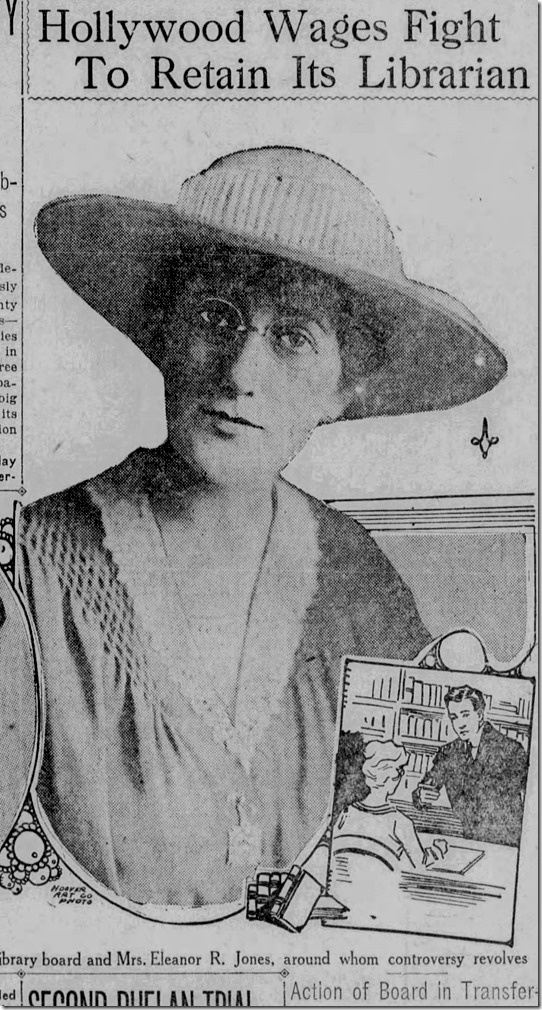 Coming to Hollywood in 1907, Eleanor Brodie Jones determined to make a difference in the small community. For over 22 years, she brought a love of reading, knowledge, and growth to everyone through her successful work in community engagement and outreach, offering programs for all ages and ensuring access to cultural and artistic events through various clubs and societies, but especially as Hollywood librarian. Jones’ evolution of the library and its impact on society parallelled Hollywood’s rise as an artistic community thanks to her work. She also left an indelible mark by inspiring the construction of the Hollywood Studio Club, a safe and encouraging residence for young women immigrating to the city in hopes of making it in movies. Her leadership provided a much needed home for single women stepping out on their own to succeed in the business world.



 ladailymirror.com