


 uth lived in a room at the Shari Hotel, 3714 W. Pico, that she shared with a little dog
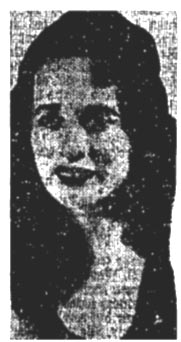 and a couple of parakeets. The landlord realized she hadn’t been around for a few days, and when he checked on her, he found her pets were nearly dead.


- #courts 1907 1944 1947 Architecture art and artists Black Dahlia Books and Authors Cold Cases Columnists Comics Crime and Courts Downtown Film Front Pages Hollywood Hollywood Heights Homicide LAPD Mary Mallory Matt Weinstock Music Mystery Photo Paul Coates Photography Politics Sports Streetcars Transportation Uncategorized
Categories
- #courts
- #East L.A.
- #games
- #gays and lesbians
- #Jazz
- #Jim Murray
- #opera
- #video
- 1677
- 1781
- 1819
- 1823
- 1847
- 1852
- 1853
- 1855
- 1859
- 1862
- 1863
- 1864
- 1871
- 1872
- 1880
- 1881
- 1882
- 1883
- 1884
- 1885
- 1886
- 1887
- 1888
- 1889
- 1890
- 1891
- 1892
- 1893
- 1895
- 1897
- 1898
- 1899
- 1900
- 1901
- 1902
- 1903
- 1904
- 1905
- 1906
- 1907
- 1908
- 1909
- 1910
- 1910 L.A. Times bombing
- 1911
- 1912
- 1913
- 1914
- 1915
- 1916
- 1917
- 1918
- 1919
- 1920
- 1921
- 1922
- 1923
- 1924
- 1925
- 1926
- 1927
- 1928
- 1929
- 1930
- 1931
- 1932
- 1933
- 1934
- 1935
- 1936
- 1937
- 1938
- 1939
- 1940
- 1941
- 1942
- 1943
- 1944
- 1945
- 1946
- 1947
- 1948
- 1949
- 1950
- 1951
- 1952
- 1953
- 1954
- 1955
- 1956
- 1957
- 1958
- 1959
- 1960
- 1960 Democratic Convention
- 1960 Republican Convention
- 1961
- 1962
- 1963
- 1964
- 1965
- 1966
- 1967
- 1968
- 1969
- 1970
- 1971
- 1972
- 1973
- 1974
- 1975
- 1976
- 1977
- 1978
- 1979
- 1980
- 1981
- 1982
- 1983
- 1984
- 1985
- 1986
- 1987
- 1988
- 1989
- 1990
- 1991
- 1992
- 1993
- 1994
- 1996
- 1997
- 1998
- 2001
- 2003
- 2005
- 2006
- 2007
- 2008
- 2009
- 2010
- 2012
- 2013
- 2014
- 2015
- 2016
- 2017
- 2018
- 2019
- 2020
- 2021
- @news
- A Kinder, Simpler Time
- Abortion
- Adolf Eichmann
- Adoptions
- African Americans
- Animals
- anorexia
- Another Good Story Ruined
- Architecture
- Art & Artists
- art and artists
- Art Seidenbaum
- Artist's Notebook
- Asians
- Ask Me Anything
- Aviation
- Baseball
- Batchelder Tile
- Black Dahlia
- Black Dahlia Book Club
- Blue Dahlia
- Blues
- books
- Books and Authors
- boxing
- Brain Trust
- broadcasting
- Broadway
- Budd Schulberg
- Caryl Chessman
- Cemeteries
- Changeling
- Charles Hillinger
- Chicago
- Chinese Massacre
- Christine Collins
- City Hall
- Civil War
- classical music
- Cold Cases
- Columnists
- Comics
- Coming Attractions
- Countdown to Watts
- Courts
- Crime and Courts
- Current Affairs
- Dance
- Death Rays
- Dodgers
- Donald Wolfe
- Downtown
- Education
- Elections
- Environment
- Eurasians
- Eve Golden
- Fashion
- Fashions
- Film
- Fire Department
- Fires
- Food and Drink
- football
- Forest Lawn
- Found on EBay
- Freeways
- Frightening Food From the 1940s
- From the Reference Desk
- From the Stacks
- From the Vaults
- Front Pages
- Futurism
- Genealogy
- golf
- Grim Sleeper
- Harbor
- Harbor Division
- health
- Heaven Is Here!
- Hill Street
- History
- Hollywood
- Hollywood Division
- Hollywood Heights
- Homicide
- Horoscope
- Hot Stove League
- Howard Rosenberg
- Immigration
- Interior Design
- Jack Smith
- James Curtis
- JFK
- Jimmie Fidler
- Judith Mae Andersen
- Keith Thursby
- L.A. Voices
- Labor
- Lakers
- LAPD
- Latinos
- Lee Shippey
- Lesbian, Gay, Bisexual, Transgender
- Libraries
- Location Sleuth
- Long Beach
- Los Angeles Star
- Los Angeles Times Bombing
- Louis Adamic
- Main Street
- Maria Ridulph
- Marion Eisenmann
- Marion Parker
- Mary Mallory
- Matt Weinstock
- Medicine
- Mickey Cohen
- Middle East
- Millennial Moments
- Motor Sports
- Motorsports
- Museums
- Music
- Mystery Photo
- Native Americans
- New York
- Nightclubs
- Nuestro Pueblo
- Obituaries
- Olive
- One-Page Fact Check
- Pages of History
- Parker Center Cop Shop Files
- Parks
- Parks and Recreation
- Pasadena
- Paul Coates
- Pepe Arciga
- Philadelphia
- Photography
- Pico-Union
- Politics
- Preservation
- Queen of the Dead
- Radio
- Raymond Chandler
- Real Estate
- Religion
- Retro
- RFK
- Richard Nixon
- Robberies
- Rock 'n' Roll
- Roderick Mann
- Ronald Reagan
- San Diego
- San Fernando Valley
- San Francisco
- Science
- Seattle
- Second Takes
- Sports
- Spring Street
- Stage
- Streetcars
- Suicide
- Sunday Journal
- Sunset Strip
- Television
- Temple City
- Theaters
- Thelma Todd
- Tom Treanor
- Track and Field
- Transportation
- travel
- UFOs
- Uncategorized
- Venice Division
- Vietnam
- Walter Cronkite
- Washington
- Web/Tech
- Weblogs
- West Hollywood
- Wikipedia
- Witzel
- World War I
- World War II
- Zombie Reading List
- Zoom
- Zoot Suit
Archives
- October 2026
- September 2026
- August 2026
- July 2026
- June 2026
- May 2026
- April 2026
- March 2026
- February 2026
- January 2026
- December 2025
- November 2025
- October 2025
- September 2025
- August 2025
- July 2025
- June 2025
- May 2025
- April 2025
- March 2025
- February 2025
- January 2025
- December 2024
- November 2024
- October 2024
- September 2024
- August 2024
- July 2024
- June 2024
- May 2024
- April 2024
- March 2024
- February 2024
- January 2024
- December 2023
- November 2023
- October 2023
- September 2023
- August 2023
- July 2023
- June 2023
- May 2023
- April 2023
- March 2023
- February 2023
- January 2023
- December 2022
- November 2022
- October 2022
- September 2022
- August 2022
- July 2022
- June 2022
- May 2022
- April 2022
- March 2022
- February 2022
- January 2022
- December 2021
- November 2021
- October 2021
- September 2021
- August 2021
- July 2021
- June 2021
- May 2021
- April 2021
- March 2021
- February 2021
- January 2021
- December 2020
- November 2020
- October 2020
- September 2020
- August 2020
- July 2020
- June 2020
- May 2020
- April 2020
- March 2020
- February 2020
- January 2020
- December 2019
- November 2019
- October 2019
- September 2019
- August 2019
- July 2019
- June 2019
- May 2019
- April 2019
- March 2019
- February 2019
- January 2019
- December 2018
- November 2018
- October 2018
- September 2018
- August 2018
- July 2018
- June 2018
- May 2018
- April 2018
- March 2018
- February 2018
- January 2018
- December 2017
- November 2017
- October 2017
- September 2017
- August 2017
- July 2017
- June 2017
- May 2017
- April 2017
- March 2017
- February 2017
- January 2017
- December 2016
- November 2016
- October 2016
- September 2016
- August 2016
- July 2016
- June 2016
- May 2016
- April 2016
- March 2016
- February 2016
- January 2016
- December 2015
- November 2015
- October 2015
- September 2015
- August 2015
- July 2015
- June 2015
- May 2015
- April 2015
- March 2015
- February 2015
- January 2015
- December 2014
- November 2014
- October 2014
- September 2014
- August 2014
- July 2014
- June 2014
- May 2014
- April 2014
- March 2014
- February 2014
- January 2014
- December 2013
- November 2013
- October 2013
- September 2013
- August 2013
- July 2013
- June 2013
- May 2013
- April 2013
- March 2013
- February 2013
- January 2013
- December 2012
- November 2012
- October 2012
- September 2012
- August 2012
- July 2012
- June 2012
- May 2012
- April 2012
- March 2012
- February 2012
- January 2012
- December 2011
- November 2011
- October 2011
- September 2011
- August 2011
- July 2011
- June 2011
- May 2011
- April 2011
- March 2011
- February 2011
- January 2011
- December 2010
- November 2010
- October 2010
- September 2010
- August 2010
- July 2010
- June 2010
- May 2010
- April 2010
- March 2010
- February 2010
- January 2010
- December 2009
- November 2009
- October 2009
- September 2009
- August 2009
- July 2009
- June 2009
- May 2009
- April 2009
- March 2009
- February 2009
- January 2009
- December 2008
- November 2008
- October 2008
- September 2008
- August 2008
- July 2008
- June 2008
- May 2008
- April 2008
- March 2008
- February 2008
- January 2008
- December 2007
- November 2007
- October 2007
- September 2007
- August 2007
- July 2007
- June 2007
- May 2007
- April 2007
- March 2007
- February 2007
- January 2007
- December 2006
- November 2006
- October 2006
- September 2006
- August 2006
- July 2006
- June 2006
- May 2006
- April 2006
- March 2006
- February 2006
- June 2005
- May 2005
- April 2005
- March 2005
- February 2005
Blind Tom dies
 |
||
|
||
 |
||
 |
Posted in art and artists, Blues, classical music, Music
Tagged 1908, Blind Tom, Music, musicians, pianists, pianos
Comments Off on Blind Tom dies
Woman disappears

3714 W. Pico, via Google maps. |
| July 23, 1958
* The Times gave Ruth’s age as 24 and California death records say she was born Dec. 19, 1933. If she had served in World War II she would have been much older. Possibly she served during the Korean War. |
Nuestro Pueblo
 |
||
|
|
||
|
Posted in Architecture, Nuestro Pueblo, Real Estate, Transportation
Tagged 1938, housing, Nuestro Pueblo, Streetcars, transportation
Comments Off on Nuestro Pueblo
And commuting was born
 |
| Sounds familiar, doesn’t it? Except this was published in The Times on July 1, 1901. Today, we shake our heads when we read about someone who works in Santa Monica or downtown Los Angeles and lives in the Inland Empire or the Antelope Valley or in South Orange County. But it’s no different than what people were doing more than a century ago. And we can’t blame the automobile in this era. It’s the streetcar system that allows people to live far from where they work. |
Posted in Architecture, Freeways, Real Estate, Transportation
Tagged 1901, housing, real estate, Streetcars, transportation
3 Comments
Spring Street revisited
 Photograph by Munsey Studios, winter 1900
|
|

Here’s a closer look at the people on the sidewalk. It’s easy to make out the man’s watch chain. The young boy seems to have something pinned to his shirt and the woman appears to be looking directly at the photographer. |
|

What caught my eye were the signs, "Furnished Rooms," "Cut-Rate Cigar" and my favorite: "Platform Psychic, Independent [Illegible] and Trumpet Medium." I’m going to have to research trumpet mediums and see what they were. Hm. A Times editorial from April 18, 1902, refers to an "independent typewriter and trumpet medium." I wonder if it’s something like "independent writer." The Times editorial writers don’t seem to think much of the paranormal.
|
Mystery photo
 Los Angeles Times file photo
|
|
|
Posted in Uncategorized
6 Comments
July 21, 1958
 |
||
 |
||
|
Spring Street revisited
 Photograph by Munsey Studios, winter 1900
|
|

And here’s a photo especially for the Daily Mirror readers who like the streetcars. Isn’t this a wonderful photograph? Notice the utility pole for the streetcar cable. You can even make out the motorman and a man riding backward to the left. All aboard for Pico Heights! And I just know that someone is going to send me the history of LARY Car 111. Email me |
Posted in Downtown, Transportation
Tagged #Spring Street, 1900, photography, Streetcars, transportation, wagons
1 Comment
Nuestro Pueblo

|
|

I found something really wonderful in researching the temple: A 1950 Sanborn map with an overlay of Little Tokyo from 1940. It’s from Pease Press. |
Posted in Downtown, Nuestro Pueblo
Tagged 1938, downtown, Little Tokyo, Nuestro Pueblo
Comments Off on Nuestro Pueblo
Spring Street
 Photograph by Munsey Studios The Hotel Ramona was on the southwest corner of Spring and 3rd streets (305 1/2 S. Spring) on the Ramona Block. It apparently went out of business in 1912, when its furnishings were auctioned off. By 1917 it was replaced by a Beacon shoe store. |
||
|
||

Here’s a detail of the photo. Note that Spring takes an oblique angle at 1st Street. Obviously it hadn’t been realigned yet. We can also see that the sidewalks are crowded and traffic is a little more chaotic than we might expect from the overall picture. |
||
|
||
 |
||

Speaking of traffic, notice that we have electric streetcars (the last horse-drawn streetcars didn’t disappear from the city until about 1903). |
||
|
||

And we have pedestrians, crossing in the middle of the street, presumably after the northbound streetcar has passed. One thing that’s missing is crosswalks. Notice the ghost of one shadowy bicyclist who was apparently in motion when the picture was taken. I would guess that our photographer used a fairly slow shutter speed, a tight aperture with the focus set for infinity. |
||

There’s no such thing as underground cables at this time, so we have utility poles strung with electrical wires. |
||

What else is missing besides crosswalks? How about streetlights? I don’t see any lighting except for this curious object outside what appears to be the Orpheum Theater at 235 S. Spring. |
||
|
Posted in Downtown, Transportation
Tagged #Spring Street, #Traffic, 1900, bicycles, Los Angeles, pedestrians, Streetcars
1 Comment
The Drunkard

I found this program from "The Drunkard" in a scrapbook that I bought years ago and rediscovered while unpacking a box of books today. "The Drunkard" was one of the most popular and long-running plays ever staged in Los Angeles. This particular program dates from the middle of 1934. |
| Here’s a post I originally wrote for the 1947project that will give a bit of background:
The men had more ambitious plans for the
Strangest of all, people kept coming back to see the play, so W.C. Fields adored the play so much that he
To everyone’s amazement, the play On Finally, the Fire Department cut back on the
Neely Edwards, 76, who had been in In 1960, the theater where millions had booed and |
|
The neighborhood of 605 N. Juanita Ave., one block east of Vermont, one block south of Melrose, from Google maps’ street view. |
| Email me |
Posted in Film, Hollywood, Stage
Tagged #W.C. Fields, 1933, alcoholism, P.T. Barnum, the Drunkard
11 Comments
July 19, 1908: Perkins Estate Overlooks Los Robles Canyon
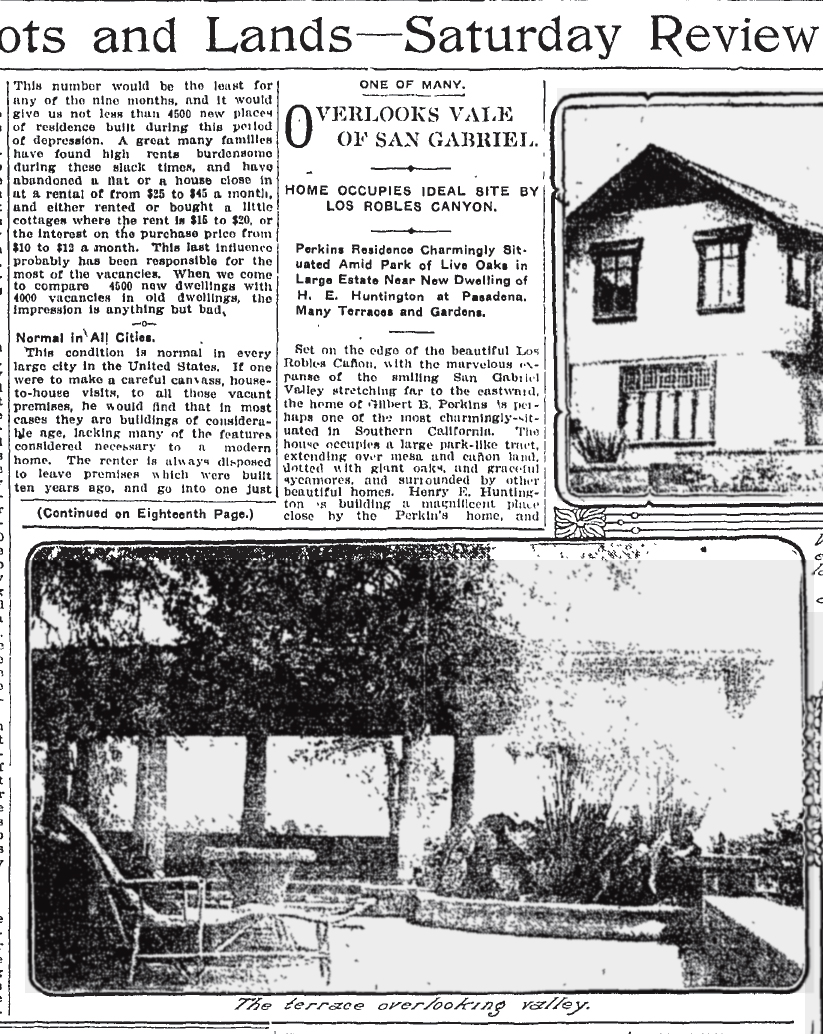 Above, details of the Gilbert B. Perkins home on Hillcrest in Pasadena.
 his was a fun little mystery, complicated by The Times using the wrong middle initial for Gilbert Perkins in the caption.
Perkins sold the home in 1914 to oil executive Frank W. Emery for a reported $125,000 ($2,591,561.05 USD 2007). After Emery died in 1920, the property at 1400 Hillcrest Ave. was sold to Mary Virginia McCormick, daughter of Cyrus H. McCormick, the head of International Harvester. (The Times originally identified her as his sister — ahem).
Posted in 1908, Architecture, Front Pages, Real Estate
Tagged 1908, estates, Oak Knoll, Pasadena, wealthy
Comments Off on July 19, 1908: Perkins Estate Overlooks Los Robles Canyon
Nuestro Pueblo

|
|
| Below, suicide at Bee Rock, April 10, 1944.
|
Posted in Nuestro Pueblo
Tagged 1938, Bee Rock, Griffith Park, Nuestro Pueblo
Comments Off on Nuestro Pueblo
Pasadena Freeway

A map from 1912 shows the plans for the Arroyo Seco Parkway. Note the Silver Lake Parkway, which was not built. The Arroyo Seco Parkway was actually proposed even earlier, as part of Charles Mulford Robinson’s "City Beautiful" project of 1906-7. (He also advocated realigning Spring Street and putting City Hall there … and he proposed planting jacarandas along the city’s streets). |
 Los Angeles Times file photo This photograph of the Arroyo Seco Road, dated 1921, shows a pleasant country lane between Pasadena and downtown Los Angeles. |
 Photograph by the Los Angeles Times Construction on the river channel next to the Pasadena Freeway, July 1, 1935. |
 Photograph by the Los Angeles Times Construction is nearly finished, Oct. 17, 1940. |
 Los Angeles Times file photo Rose Queen Sally Stanton, Gov. Culbert Olson and Highway Patrol Chief E. Raymond Cato at the ribbon cutting of the Arroyo Seco Parkway (Pasadena Freeway), Dec. 30, 1940. This is in the general location east of Fair Oaks Avenue in South Pasadena where the sinkhole opened July 16, 2008. |
 Photograph by the Los Angeles Times And in a matter of months (Feb. 4, 1941) after the opening, the southbound Arroyo Seco Parkway (Pasadena Freeway) is backed up at the Figueroa Tunnels. If you ever wondered what a 67-year-old traffic jam looks like, this is your answer. |
 Photograph by the Los Angeles Times Emergency turnouts are added to the Pasadena Freeway in 1950 to ease congestion and prevent accidents. |
 Photograph by Gil Cooper / Los Angeles Times Workers install center dividers on the Pasadena Freeway, June 15, 1961. If you have ever seen the beating that these guardrails take from accidents, you can imagine what it was like when there was nothing but perhaps a little landscaping to keep cars from plunging into oncoming traffic. Email me Below, the Orange Grove Avenue off-ramp on the southbound Pasadena Freeway via Google maps’ street view. |
Posted in Freeways, Transportation
Tagged #Traffic, 1938, 1940, 2008, Arroyo Seco Parkway, congestion, Pasadena Freeway
7 Comments
July 17, 1938
 Jack Benny gives a party for his daughter Joan and invites some little friends: Jack Haley Jr., Gary and Dennis Crosby, Dion Fay (son of Barbara Stanwyck and Frank Fay), Melinda Markey (daughter of Joan Bennett and Gene Markey), Al Jolson Jr. and Freddie Astaire Jr. Email me |
Posted in Film, Food and Drink, Front Pages, Hollywood
Tagged #movie stars, 1938, children, parties
1 Comment
July 17, 1908

|
|||
 |
 |
||
Posted in @news, Politics
Tagged 1908, politics, presidential elections, William Howard Taft, William Jennings Bryan
Comments Off on July 17, 1908
President visits L.A.
 Photograph by the Los Angeles Times President Roosevelt at Broadway and 7th Street, July 16, 1938. |
 Photograph by the Los Angeles Times Protesters along the parade route. |
 Photograph by the Los Angeles Times A crowd greets the president, who arrives in his personal railroad car.
A detail from the image above. |
 Photograph by the Los Angeles Times President Roosevelt delivers a speech, ignoring Los Angeles Mayor Frank Shaw, left. The president began his address without being introduced by the mayor, The Times said. |
 |
| Email me |
Posted in Downtown, Front Pages, Politics
Tagged #Union Station, 1938, Broadway, Franklin Delano Roosevelt, parades, presidents
Comments Off on President visits L.A.
Mystery picture

|
|
|
Posted in Uncategorized
12 Comments
Setback for stadium
|
July 15, 1958 By Keith Thursby
Superior Court Judge Arnold The Times’ main story led with The paper was a strong In a story about city Dodger owner Walter O’Malley remained confident that the ballpark would be built in Chavez Ravine. "We came to California in the |


