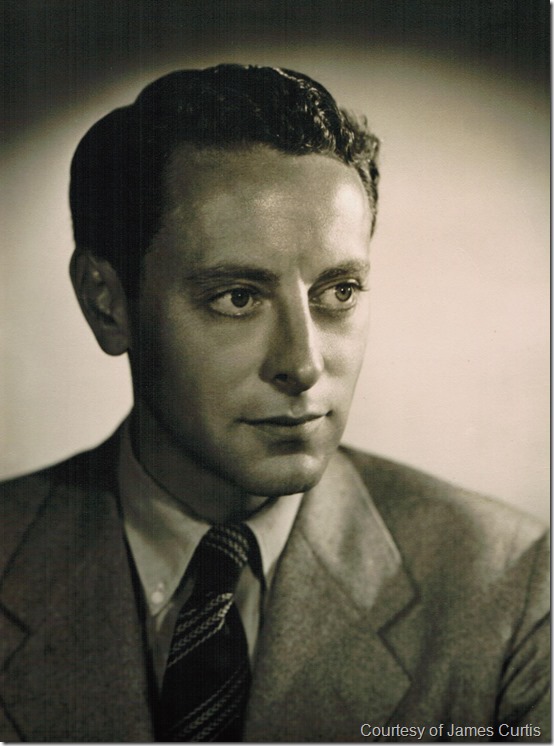
David Lewis, courtesy of James Curtis.
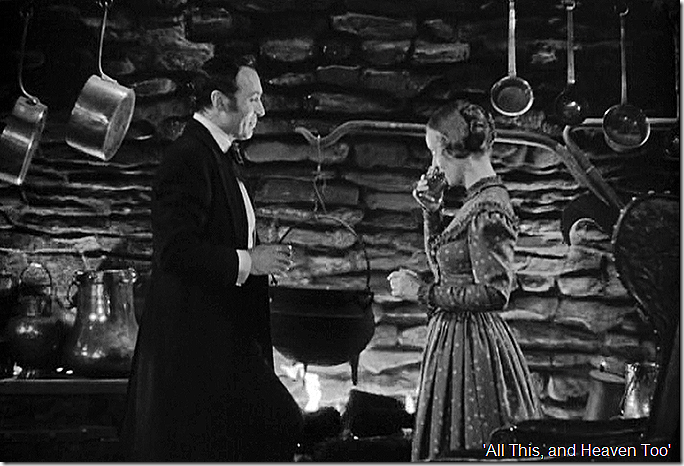
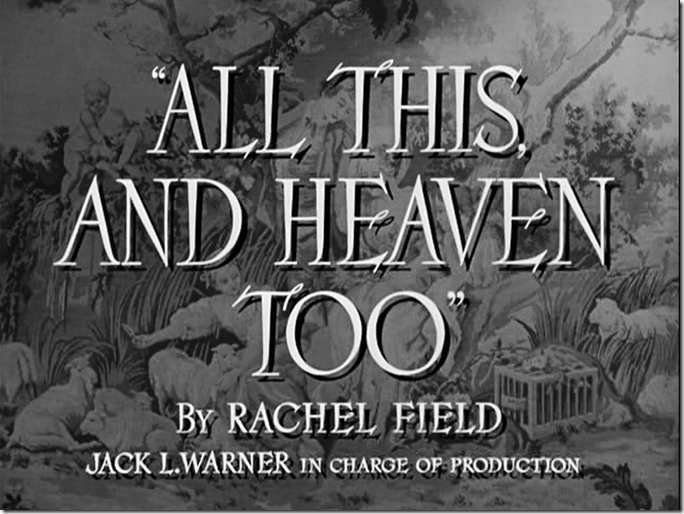
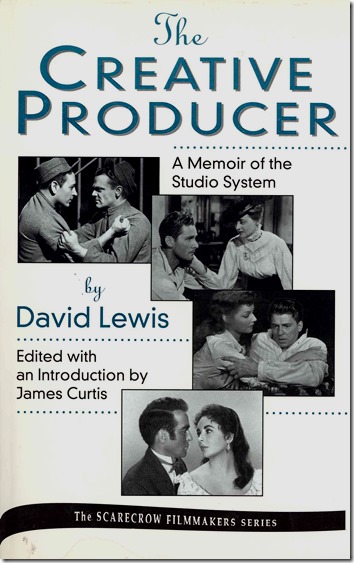 Editor’s note: The Daily Mirror is pleased to present an excerpt from James Curtis’ 1993 book “The Creative Producer,” a fascinating memoir by David Lewis, edited by Curtis. It seemed timely to run the excerpt this week because TCM is airing “All This, and Heaven Too,” which Lewis considered one of his best films, on Feb. 21.
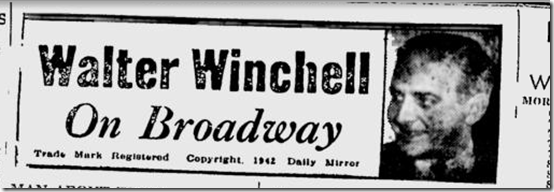
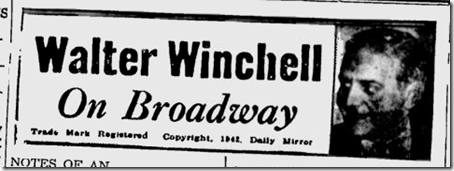
James says: I was struck by Walter Winchell’s item about Rachel Field in his column of Feb. 7 because I have an inscribed copy of her book All This, and Heaven Too on my shelf. It’s not inscribed to me, of course, but rather to a man who became a close friend and mentor to me, producer David Lewis (1903-1987). I met David in 1975 when I first became interested in the work of director James Whale, and I think he came to regard me as a project. He encouraged me to write about Whale — I had never written anything for publication in my life — and I, in turn, urged him to write a memoir of his work in the film industry.
David, I found, had a reputation for working with writers, and a remarkable sense of story and structure. But he could never get very far in putting his story down on paper. “I need someone to pull it out of me,” he said. Eventually, we embarked on a series of recordings, during which I would ask him questions. Then I would leave the tapes with him, and he would type them up, slowly but doggedly, a few pages a day, expanding and embellishing as he went.
When he was finished, I had hundreds of sheets of draft text but no idea of how to stitch them together. Regrettably, it was only after his death that I was able to edit that material into the 1993 book The Creative Producer: A Memoir of the Studio System.
David Lewis produced nearly 40 films, including Four’s a Crowd, The Sisters, and Raintree County, but he once told me he was only proud of four of them: Camille, Dark Victory, Kings Row, and All This, and Heaven Too. “And given the nature of the business,” he added, “that’s a pretty good average.”
A lot of space was devoted to those four renowned titles, with the most going to All This, which was probably David’s favorite. So with Winchell’s item in mind, I asked Larry if he’d like to post what David had to say about the film and its making, and about Rachel Field herself.
Previously by James Curtis:
James Curtis’ interview with Dick Lane Part 1 | Part 2 | Part 3 | Part 4 | Part 5 | Part 6 | Part 7
James Curtis’ interview with Jules White, Part 1 | Part 2 | Part 3 | Part 4 | Part 5 | Part 6
Continue reading →









 ladailymirror.com