


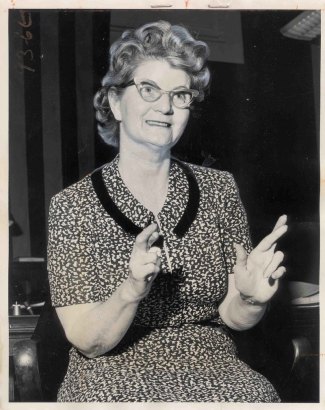
 When cross-examined, she admitted to 10 marriages and said, “there might





- #courts 1907 1944 1947 Architecture art and artists Black Dahlia Books and Authors Cold Cases Columnists Comics Crime and Courts Downtown Film Front Pages Hollywood Hollywood Heights Homicide LAPD Mary Mallory Matt Weinstock Music Mystery Photo Paul Coates Photography Politics Sports Streetcars Transportation Uncategorized
Categories
- #courts
- #East L.A.
- #games
- #gays and lesbians
- #Jazz
- #Jim Murray
- #opera
- #video
- 1677
- 1781
- 1819
- 1823
- 1847
- 1852
- 1853
- 1855
- 1859
- 1862
- 1863
- 1864
- 1871
- 1872
- 1880
- 1881
- 1882
- 1883
- 1884
- 1885
- 1886
- 1887
- 1888
- 1889
- 1890
- 1891
- 1892
- 1893
- 1895
- 1897
- 1898
- 1899
- 1900
- 1901
- 1902
- 1903
- 1904
- 1905
- 1906
- 1907
- 1908
- 1909
- 1910
- 1910 L.A. Times bombing
- 1911
- 1912
- 1913
- 1914
- 1915
- 1916
- 1917
- 1918
- 1919
- 1920
- 1921
- 1922
- 1923
- 1924
- 1925
- 1926
- 1927
- 1928
- 1929
- 1930
- 1931
- 1932
- 1933
- 1934
- 1935
- 1936
- 1937
- 1938
- 1939
- 1940
- 1941
- 1942
- 1943
- 1944
- 1945
- 1946
- 1947
- 1948
- 1949
- 1950
- 1951
- 1952
- 1953
- 1954
- 1955
- 1956
- 1957
- 1958
- 1959
- 1960
- 1960 Democratic Convention
- 1960 Republican Convention
- 1961
- 1962
- 1963
- 1964
- 1965
- 1966
- 1967
- 1968
- 1969
- 1970
- 1971
- 1972
- 1973
- 1974
- 1975
- 1976
- 1977
- 1978
- 1979
- 1980
- 1981
- 1982
- 1983
- 1984
- 1985
- 1986
- 1987
- 1988
- 1989
- 1990
- 1991
- 1992
- 1993
- 1994
- 1996
- 1997
- 1998
- 2001
- 2003
- 2005
- 2006
- 2007
- 2008
- 2009
- 2010
- 2012
- 2013
- 2014
- 2015
- 2016
- 2017
- 2018
- 2019
- 2020
- 2021
- @news
- A Kinder, Simpler Time
- Abortion
- Adolf Eichmann
- Adoptions
- African Americans
- Animals
- anorexia
- Another Good Story Ruined
- Architecture
- Art & Artists
- art and artists
- Art Seidenbaum
- Artist's Notebook
- Asians
- Ask Me Anything
- Aviation
- Baseball
- Batchelder Tile
- Black Dahlia
- Black Dahlia Book Club
- Blue Dahlia
- Blues
- books
- Books and Authors
- boxing
- Brain Trust
- broadcasting
- Broadway
- Budd Schulberg
- Caryl Chessman
- Cemeteries
- Changeling
- Charles Hillinger
- Chicago
- Chinese Massacre
- Christine Collins
- City Hall
- Civil War
- classical music
- Cold Cases
- Columnists
- Comics
- Coming Attractions
- Countdown to Watts
- Courts
- Crime and Courts
- Current Affairs
- Dance
- Death Rays
- Dodgers
- Donald Wolfe
- Downtown
- Education
- Elections
- Environment
- Eurasians
- Eve Golden
- Fashion
- Fashions
- Film
- Fire Department
- Fires
- Food and Drink
- football
- Forest Lawn
- Found on EBay
- Freeways
- Frightening Food From the 1940s
- From the Reference Desk
- From the Stacks
- From the Vaults
- Front Pages
- Futurism
- Genealogy
- golf
- Grim Sleeper
- Harbor
- Harbor Division
- health
- Heaven Is Here!
- Hill Street
- History
- Hollywood
- Hollywood Division
- Hollywood Heights
- Homicide
- Horoscope
- Hot Stove League
- Howard Rosenberg
- Immigration
- Interior Design
- Jack Smith
- James Curtis
- JFK
- Jimmie Fidler
- Judith Mae Andersen
- Keith Thursby
- L.A. Voices
- Labor
- Lakers
- LAPD
- Latinos
- Lee Shippey
- Lesbian, Gay, Bisexual, Transgender
- Libraries
- Location Sleuth
- Long Beach
- Los Angeles Star
- Los Angeles Times Bombing
- Louis Adamic
- Main Street
- Maria Ridulph
- Marion Eisenmann
- Marion Parker
- Mary Mallory
- Matt Weinstock
- Medicine
- Mickey Cohen
- Middle East
- Millennial Moments
- Motor Sports
- Motorsports
- Museums
- Music
- Mystery Photo
- Native Americans
- New York
- Nightclubs
- Nuestro Pueblo
- Obituaries
- Olive
- One-Page Fact Check
- Pages of History
- Parker Center Cop Shop Files
- Parks
- Parks and Recreation
- Pasadena
- Paul Coates
- Pepe Arciga
- Philadelphia
- Photography
- Pico-Union
- Politics
- Preservation
- Queen of the Dead
- Radio
- Raymond Chandler
- Real Estate
- Religion
- Retro
- RFK
- Richard Nixon
- Robberies
- Rock 'n' Roll
- Roderick Mann
- Ronald Reagan
- San Diego
- San Fernando Valley
- San Francisco
- Science
- Seattle
- Second Takes
- Sports
- Spring Street
- Stage
- Streetcars
- Suicide
- Sunday Journal
- Sunset Strip
- Television
- Temple City
- Theaters
- Thelma Todd
- Tom Treanor
- Track and Field
- Transportation
- travel
- UFOs
- Uncategorized
- Venice Division
- Vietnam
- Walter Cronkite
- Washington
- Web/Tech
- Weblogs
- West Hollywood
- Wikipedia
- Witzel
- World War I
- World War II
- Zombie Reading List
- Zoom
- Zoot Suit
Archives
- October 2026
- September 2026
- August 2026
- July 2026
- June 2026
- May 2026
- April 2026
- March 2026
- February 2026
- January 2026
- December 2025
- November 2025
- October 2025
- September 2025
- August 2025
- July 2025
- June 2025
- May 2025
- April 2025
- March 2025
- February 2025
- January 2025
- December 2024
- November 2024
- October 2024
- September 2024
- August 2024
- July 2024
- June 2024
- May 2024
- April 2024
- March 2024
- February 2024
- January 2024
- December 2023
- November 2023
- October 2023
- September 2023
- August 2023
- July 2023
- June 2023
- May 2023
- April 2023
- March 2023
- February 2023
- January 2023
- December 2022
- November 2022
- October 2022
- September 2022
- August 2022
- July 2022
- June 2022
- May 2022
- April 2022
- March 2022
- February 2022
- January 2022
- December 2021
- November 2021
- October 2021
- September 2021
- August 2021
- July 2021
- June 2021
- May 2021
- April 2021
- March 2021
- February 2021
- January 2021
- December 2020
- November 2020
- October 2020
- September 2020
- August 2020
- July 2020
- June 2020
- May 2020
- April 2020
- March 2020
- February 2020
- January 2020
- December 2019
- November 2019
- October 2019
- September 2019
- August 2019
- July 2019
- June 2019
- May 2019
- April 2019
- March 2019
- February 2019
- January 2019
- December 2018
- November 2018
- October 2018
- September 2018
- August 2018
- July 2018
- June 2018
- May 2018
- April 2018
- March 2018
- February 2018
- January 2018
- December 2017
- November 2017
- October 2017
- September 2017
- August 2017
- July 2017
- June 2017
- May 2017
- April 2017
- March 2017
- February 2017
- January 2017
- December 2016
- November 2016
- October 2016
- September 2016
- August 2016
- July 2016
- June 2016
- May 2016
- April 2016
- March 2016
- February 2016
- January 2016
- December 2015
- November 2015
- October 2015
- September 2015
- August 2015
- July 2015
- June 2015
- May 2015
- April 2015
- March 2015
- February 2015
- January 2015
- December 2014
- November 2014
- October 2014
- September 2014
- August 2014
- July 2014
- June 2014
- May 2014
- April 2014
- March 2014
- February 2014
- January 2014
- December 2013
- November 2013
- October 2013
- September 2013
- August 2013
- July 2013
- June 2013
- May 2013
- April 2013
- March 2013
- February 2013
- January 2013
- December 2012
- November 2012
- October 2012
- September 2012
- August 2012
- July 2012
- June 2012
- May 2012
- April 2012
- March 2012
- February 2012
- January 2012
- December 2011
- November 2011
- October 2011
- September 2011
- August 2011
- July 2011
- June 2011
- May 2011
- April 2011
- March 2011
- February 2011
- January 2011
- December 2010
- November 2010
- October 2010
- September 2010
- August 2010
- July 2010
- June 2010
- May 2010
- April 2010
- March 2010
- February 2010
- January 2010
- December 2009
- November 2009
- October 2009
- September 2009
- August 2009
- July 2009
- June 2009
- May 2009
- April 2009
- March 2009
- February 2009
- January 2009
- December 2008
- November 2008
- October 2008
- September 2008
- August 2008
- July 2008
- June 2008
- May 2008
- April 2008
- March 2008
- February 2008
- January 2008
- December 2007
- November 2007
- October 2007
- September 2007
- August 2007
- July 2007
- June 2007
- May 2007
- April 2007
- March 2007
- February 2007
- January 2007
- December 2006
- November 2006
- October 2006
- September 2006
- August 2006
- July 2006
- June 2006
- May 2006
- April 2006
- March 2006
- February 2006
- June 2005
- May 2005
- April 2005
- March 2005
- February 2005
Christine Jorgensen Tries to Marry, March 31, 1959
Posted in #gays and lesbians, Architecture, Downtown, Front Pages, Sports
1 Comment
Nuestro Pueblo, March 31, 1939
Posted in Architecture, Nuestro Pueblo, Religion
Comments Off on Nuestro Pueblo, March 31, 1939
Found on EBay — L.A. Streetcars
 |
This lot of books about streetcars has been listed on EBay and includes several on the Pacific Electric Railway and one on pre-Huntington cars. The books are listed as best offer or Buy It Now for $150. |
Posted in books, Transportation
1 Comment
Matt Weinstock — March 30, 1959
Back on Canopus …
For that matter, many people who have lived here all their lives don't understand it either but in another way. They don't understand why they should pay for duplicating functions. New and old alike wonder why we go to the expense and bother of such an election as this one. Couldn't it be included in some other one, they ask. The obscurantism — political double-talk — belongs both to the incumbents and aspirants bent on knocking the incumbents out of the box. As an example, one councilmanic candidate states in his literature that if elected he plans to become a veritable tiger in solving the smog, tax and transportation problems. It so happens that the council, although it absorbs much of the blame, has nothing to do with any of these three. The smog and tax matters are county problems. The MTA or bus mess is a weird creation of the state Legislature.
When quacks with pills political would dope us, ::
During WWII he was in naval intelligence, assigned to counterspy duty in Portugal. For six months he went out on the boats with fishermen, never speaking English, always Portuguese, gathering information on the Germans, who were in cahoots with Franco of Spain. He thought he was doing fine and had escaped detection until one night in a Lisbon bar he got to talking with two men he knew to be German agents. One said casually, "How's everything in South San Francisco, Joe?" ::
::
"What about the divorce?" Moidel asked. "Oh, I guess I'll marry the girl and take a chance," he said. Turned out he was a cautious bachelor contemplating matrimony and wanted to know the worst first. ::
::
|
Posted in Columnists, Matt Weinstock
Comments Off on Matt Weinstock — March 30, 1959
Paul Coates — Confidential File, March 30, 1959
Confidential FileOperas Recalled … the Sudsy Kind
What’s bothering me is this gnawing feeling that I’m not in the swim any more. I’ve lost touch with the little folksy things in life. That’s For instance, it occurred to me that I haven’t even listened to a radio soap opera since Ma Perkins was a girl. It occurred to me, as a matter of fact, while I was accidentally listening to a soap opera on my car radio the other day.
Once, I Just Plain Bill would murmur to his daughter Nancy things like: "Nancy, honey, don’t you be upset because that promising young country prosecutor, Mark Shoreham, Plain Bill Easy to Dig
But in those days I could tell by the way he said it that Plain Bill was damn well worried. He was just covering up for Nancy.
But my talent as a listener has diminished to the vanishing point. I realized that when I tuned in on soap opera the other day. Of At any rate, the male lead had a deep, syrupy voice that had to be Don Ameche. Things, she was telling him, better improve. Is He Really Hiding Melinda?
"I’m "Darling," "Don’t do me any favors," she said, in effect. "Don’t shout it from rooftops. Just tell Cara about us." Well, Melinda Struts Stuff in Kitchen
As if that situation weren’t bad enough, I got the impression through further snatches of dialogue that Don Ameche wasn’t really married to Cara. Of course, it was just an impression. I don’t know it for a fact. However, |
Posted in broadcasting, Columnists, Paul Coates
Comments Off on Paul Coates — Confidential File, March 30, 1959
Trouble Was His Business — Raymond Chandler
A historic passion* Author Judith Freeman researched Raymond Chandler’s marriage.November 07, 2007 By Graham Fuller, Special to The Times Twenty years ago, Judith Freeman became "obsessed," as she puts it, with Raymond Chandler, whose novels featuring the private detective Philip Marlowe still make up the most iconic literary portrait of Los Angeles. When, in 2003, Freeman began writing "The Long Embrace: Raymond Chandler and the Woman He Loved," she found herself on a quest leading in many different directions. The author of a short-story collection and four novels, Freeman was raised in Utah. She had moved to Los Angeles in the late ’70s and was living in one of Chandler’s old neighborhoods when she began reading his letters. She became captivated by Chandler’s wife Cissy. A fey, ethereally beautiful sophisticate with a past as a nude model in New York, Cissy was living with her second husband on South Vendome when she and Chandler met around 1913. Their affair began after he’d returned from the Great War, and they married in 1924. At the time, Chandler was 35 and thought his bride was 43. Only gradually did he learn she was 18 years his senior. It was the absence of information in Chandler’s letters and Frank McShane’s 1976 biography that made Cissy an enigma in Freeman’s eyes and prompted her decision to "possibly bring her to life." As she tried to fathom the nature of the Chandlers’ 30-year marriage — which incorporated elements of courtly love and withstood his alcoholism, philandering, and her long decline into invalidism — she was confronted with the couple’s itinerant lifestyle. They changed addresses over 30 times in Los Angeles and Southern California. They lived downtown and in Hollywood, in Santa Monica, Pacific Palisades, San Bernardino, Monrovia, Idyllwild and Cathedral City, in the mountains and the desert, sometimes changing residences twice a year. They were as restless as an alley cat on a velvet cushion. Why they couldn’t stay put is a mystery that might have baffled Marlowe, at least temporarily. Without donning a trench coat, Freeman had a crack at solving it. "I think Ray was constantly searching," she said, "but they also liked this idea of mobility, the fact that you could get a new car and go to Big Bear for the summers, to the desert for the winters, and if, you didn’t like it, to Santa Monica or Arcadia, Brentwood or Silver Lake. This possibility was introduced not just by the automobile, but by their sense of general detachment from any kind of past family." Asked if she feels there was a neurotic element in the Chandlers’ nomadism, Freeman said "there is something deeply unsettled about it. In A.A. meetings they use the term ‘going geographic’ of an alcoholic personality to describe that idea of constantly moving, running, probably trying to escape and find at the same time." "I don’t know if Chandler was running from something," said David Thomson, who wrote a monograph on Howard Hawks’ film of Chandler’s "The Big Sleep." "Maybe he was a kind of hotel writer — a little like Nabokov — in that he never had much need to be ‘at home.’ He had a hero who seems to live in a very plain room and waits to be invited out by fate. I think of him as someone who found his dream and so inhabited it as much as he could." The Chandlers nearly parted in 1932 when Ray’s persistent drunkenness and workplace affairs cost him his executive job at Dabney Oil. "This was the major disruption in his life," said Alain Silver, the coauthor of "Raymond Chandler’s Los Angeles." "His peripatetic lifestyle became more urgent. The simplest reason he was constantly moving was that the rent would go up. By the time he could support himself and Cissy with his writing, the moving had become a habit. It maintained the displacement he’d known as a youth." He and his mother had been abandoned by his father when he was 7. The marriage was threatened again when Chandler was lured to Hollywood in 1943 to write "Double Indemnity" with Billy Wilder. But over the long course, Freeman said, husband and wife sustained each other. Freeman says Chandler was "very conscious" of his knightly code. "I think it was forcibly instilled in him at Dulwich College in England. Then Cissy gave him the wonderfully strange nickname of Gallibeoth" — redolent of Galahad– "when they were still having an affair. This was a persona he adopted and that she completely embraced and reaffirmed, 12 years before he wrote his first short story. She became the enabler of his vision of the private eye who functions as a rescuer of humanity." Freeman asserts that Cissy provided Chandler with a haven from the corruption, vice and brutality he considered endemic to Los Angeles — and which fueled his finest writing. "They created this little island of civility within this wacky crackpot capital of the world, as Chandler called it. I think he must have been seduced by the city at first, but by the time he got through the studio system he was sick of it. "There was a kind of banal quality to life that he detested, a lowbrow feeling, and he wanted to get out, and they did. But then, of course, he began to hate the place he found himself in, La Jolla, because of its Cadillac-and-chauffeur atmosphere. Like every other place he had run to, it wasn’t going to be the answer to anything, and he began to regret that he ever left L.A." Freeman visited all of the Chandlers’ homes that were still standing. Particularly moving are her descriptions of Ray’s study and Cissy’s bedroom in their ocean-side house in La Jolla, where they lived from 1946 to 1954, when Cissy died. It was there he wrote "The Long Goodbye," in which Marlowe’s isolation, echoing Chandler’s, becomes palpable. He rejects the humdrum existence of his hometown, Santa Rosa, and the decadence of the gated community in "Idle Valley." "I’ll take the big sordid dirty crooked city," he says. "A city no worse than others, a city rich and vigorous and full of pride, a city lost and beaten and full of emptiness." Freeman’s passion for her material can be off-putting for some. Ben Tarnoff in the San Francisco Chronicle writes that she "spends too much time reflecting on her own encounter with the material to offer a vivid portrait of the Chandlers’ life together." But Richard Rayner, writing in The Times, sees her quest as more poignant, making the book "ache with emotion and loneliness — her loneliness and Chandler’s, the loneliness of following a trail, of a marriage, of writing itself." Chandler died of pneumonia, brought on by his drinking, in La Jolla in 1959. A wanderer to the end, he spent his last years seemingly looking for another Cissy to protect — and to protect him. "Their marriage gave him meaning and kept him together," Freeman said. "He romanticized it as almost perfect. But I do think they were happy." Note: To mark the 50th anniversary of Raymond Chandler’s death, the Daily Mirror is revisiting some of The Times’ stories about his life and influence. We invite the Daily Mirror’s readers to share their thoughts. |
Posted in books, Film, Hollywood, Raymond Chandler
1 Comment
Voices — Maurice Jarre, 1924-2009
 |
|
Q & A MAURICE JARREOde to David LeanAugust 8, 1993
Oscar-winning Jarre, 69, had composed the music for more than 40 films, Lean, Jarre discussed Lean and the art of film music with Times Staff Writer Susan King. Was the tribute to Lean your idea? Yes. You got very emotional at the conclusion. Yeah, Is it true you had very little time to compose the music for "Lawrence of Arabia"? It I hope your schedule was easier with the other Lean films. In Do most directors you work with want you to go with them on location? Sometimes Music always seemed to play such an Absolutely. What’s your favorite score you composed for a Lean movie? Well, |
Posted in classical music, Film, Hollywood, Music, Obituaries
Comments Off on Voices — Maurice Jarre, 1924-2009
‘Ma’ Duncan
  Photograph by John Malmin / Los Angeles Times Photograph by John Malmin / Los Angeles Times
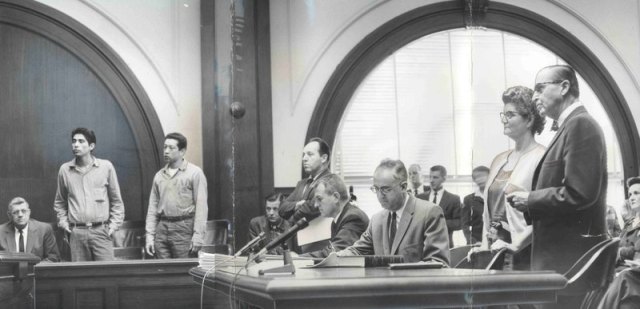
Defendants Augustine Baldonado, left, and Luis Moya stand during the arraignment of Elizabeth Ann Duncan, with attorney S. Ward Sullivan, in Ventura County. |
By Catriona Lavery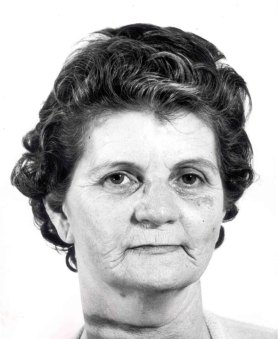
Elizabeth Ann Duncan hired two men to kill her pregnant daughter-in-law, jealous that the young mother-to-be threatened her incestuous relationship with her son Frank, 30. Duncan is one of four women executed in California’s gas chamber. Olga Kupczyk Duncan disappeared in November 1958. She was seven months’ pregnant, 30 years old and newspapermen didn’t hesitate to call her attractive. Elizabeth Duncan first drew suspicion when police discovered she had illegally obtained an Nearly a month after the woman’s disappearance, investigators found her body in the Casitas Pass of Carpinteria, Calif., after Augustine Baldonado, 25, confessed that he and Luis Moya, 22, had been offered $6,000 by the victim’s mother-in-law. The two men beat the young woman with a pistol, strangled her and buried her body in a shallow grave. Coroners investigations found that she was still alive when buried. Elizabeth Duncan’s bizarre past and penchant for dramatics made the trial a sensation. Inconsistencies abound She had been married at least 11 times.
At first, Duncan maintained she had two children — Frank and a daughter, An unnatural love Despite being married, he still slept at his mother’s home. In his testimony, Frank Duncan proudly admitted he had lived with his mother almost his whole life. Their incestuous relationship and his mother’s subsequent jealousy became the basis of motive in the case. Newspapers at the time approached the relationship cautiously. The Times only mentions the mother’s “overwhelming love” for her son. The Mirror News refers to an “unnatural love” between the two, but stopped short of calling it incest. Elizabeth Duncan also admitted to planning to kidnap her son. “Frankie had just lost his mind over Olga,” she testified. “So I called my sister in Los Angeles and told her to rent an apartment for me. I was going to tie him up and take him down there to try to talk some sense into him. I didn’t want to lose Frankie. I couldn’t stand life alone and I knew it.” The jury took just four hours and 51 minutes to find her guilty.
Photograph by the Los Angeles Times Frank Duncan and his mother, Elizabeth Ann. Her execution was delayed twice. Both times Duncan’s lawyers argued “sensational publicity” and other circumstances prevented their client from receiving a fair trial. In 1962, the court refused to hear another appeal. Frank Duncan, also a lawyer, fought for his mother until the end. At the time of her execution, he was in San Francisco, pleading her case before the U.S. Court of Appeals. The court refused Ladies Elizabeth Ann Duncan was the last of four women executed by gas chamber in California. The others were “the Dutchess” Ethel Juanita Spinelli (1941), Louise Peete (1947) and Barbara Graham (1955). Almost 200 men have died in the same way. Peete offered one reason for the unrepresentative number. Just before her execution, Peete was convinced she would not die. She said, “The governor is a gentlemen — and no gentleman could sentence a lady to her death.” Look through the recent columns of Paul Coates and Matt Weinstock for more articles about Elizabeth Ann Duncan. |
New Light on ‘Dark Shadows’
 |
|
[Did we misspell Barnabas all the way through this story? Yes.–lrh]
Frid, Minus Fangs, to Read in O.C.Performance: The actor has less than fond memories for his years as vampire Barnabus Collins on TV’s ‘Dark Shadows.’October 26, 1991 By JESS BRAVIN, SPECIAL TO THE TIMES
Like In 1967, the Yale-trained Frid, a
"Everywhere I go," sighs Frid, now 66, "I get a few morons who expect to see the vampire." And, The program, which Frid describes as "readers As a seasonal courtesy, Frid does plan to end each half
Frid, And recalling the program’s "It was just garbage, "Some people try The program’s success–and the continuing fascination that Barnabus holds for thousands of fans–befuddles Frid. "I But roles for Through "They’re a strange lot," he said of the Nevertheless, Frid said he enjoyed the
After Frid Still, Frid recalls a 1963 tour of Pittsburgh’s So then, has Frid given any thought to picking up his long-delayed ambition to be a teacher? "Well, |
|
Lengthening ‘Shadows’* The gothic
|
Posted in broadcasting, Film, Hollywood, Television
4 Comments
Trouble Was His Business — Raymond Chandler
Two true loves* The Long Embrace Raymond Chandler and the Woman He Loved Judith Freeman Pantheon: 354 pp., $25.95November 04, 2007 By "I used Chandler At And irresistible she was. "Cissy was a raging Chandler "All this is the stuff of That’s not quite true. All his life, And yet, this "The Freeman Chandler is No, Frank MacShane published Freeman traces the ups and downs of the marriage and That’s lovely, a haunting homage "[H]e became
Note: To mark the 50th anniversary of Raymond Chandler’s death, the
|
Posted in books, Film, Hollywood, Raymond Chandler, Real Estate
Comments Off on Trouble Was His Business — Raymond Chandler
Actress Near Death After Beating; Gehrig in Decline, March 29, 1939
 |
||
|
||
|
||
 Lou Gehrig’s decline was becoming evident, although the cause was still unknown. Lou Gehrig’s decline was becoming evident, although the cause was still unknown.
The Times ran a wire story from Florida that polled writers covering the Yankees about Gehrig’s status and how it might affect the team’s chances. A few days earlier, the paper had published the news that Gehrig was benched in a spring training game, out of the Yankees’ lineup for the first time since 1925. “Gehrig has looked pitifully rusty” in spring training, the Associated Press story said. The story about the writers was tacky, even considering that no one knew the severity of Gehrig’s condition. “I don’t think Gehrig has much to do with the Yankees winning. I don’t think he helped them an awful lot last year,” said Rud Rennie of the New York Herald Tribune. Gehrig’s consecutive games streak would finally end in May when he pulled himself out of the lineup. “The consecutive game record always was meaningless to me and now that I have ended it you newspaper guys will believe me,” he said. Asked about his return, Gehrig said he hoped — Keith Thursby |
Posted in #courts, Comics, Film, Front Pages, Hollywood, Homicide, LAPD, Nuestro Pueblo, Sports
Comments Off on Actress Near Death After Beating; Gehrig in Decline, March 29, 1939
Found on EBay — 1905 Performance of ‘Parsifal’

Listed on EBay: An usher’s ribbon from the 1905 performances of "Parsifal" in Los Angeles. Bidding starts at $9.99. |

The 1905 performance of "Parsifal" was such a significant event that The Times published the names of what appears to be everyone who attended. The performance by Conreid’s Metropolitan Grand Opera had most of the Met’s opening night cast, including conductor Alfred Hertz and Alois Burgstaller (Parsifal).
|
Posted in #opera, classical music, Music
Comments Off on Found on EBay — 1905 Performance of ‘Parsifal’
Matt Weinstock — March 28, 1959
Posted in Columnists, Matt Weinstock
1 Comment
Paul Coates — Confidential File, March 28, 1959
Confidential FileMash Notes and Comments
"Branded as braggarts by the rest of the world, we nevertheless suffer from a highly sensitized cultural inferiority complex. "We "Let’s stop underselling ourselves.
–If you haven’t played it, don’t knock it. ::
"Dear Paul,
"The "How
"Again came the "Two more times –Neither will I. but one call from Julie London and I’d bark ::
"Dear Mr. Coates, "Welcome "It may "I just wanted you to "Anyway, "I’m sure your wife feels the same way." (signed) Lenore Nicholson, Hollywood. –About your husband? |
Posted in Columnists, Paul Coates
Comments Off on Paul Coates — Confidential File, March 28, 1959
Trouble Was His Business — Raymond Chandler
Tour Casts New Light on Raymond Chandler’s Old L.A.* A Minnesota couple trace the steps of the novelist’s best-known character.April 4, 2004 By Erika Hayasaki, Times Staff Writer Bonnie "The "The images he’s able to evoke of Los Angeles and the Olson and her husband, Brian, The self-published Olson said she admires Chandler’s work For several decades, Olson, The 2 The The group hiked to the 2nd Street tunnel, which When Then the Olsons The "We did it to have fun together," Bonnie Olson said. "We had no idea it was going to be such a niche." Australian "You get here and feel almost familiar with this place, even though you have never been here," Ryan said. Ray Chin, 32, a downtown resident, said Chandler’s work has helped him understand how the city has evolved. "It On Saturday, those on the tour hiked up to Bunker Many years ago, Chandler described the Olson read that "It was a romantic
Note: To mark the 50th anniversary of Raymond Chandler’s death, the
|
Dodgers Give Angels the Silent Treatment, March 28, 1969

|
The Dodgers and Angels were playing each other again and at least the Angels were doing their best to rebuild the rivalry. "Peter O’Malley has instructed all his personnel not to say anything The teams last played each other in 1964, when the Angels were still On the record, Walsh said the Angels could talk about their — Keith Thursby |
Lemuel S. Ellis — Early Los Angeles Photographer
|
||
 Photograph by Lemuel S. Ellis This is an adobe home on what appears to be Carr Lane. A notation says it’s on Broadway, although Carr and North Broadway don’t intersect on my earliest map. |
||
 Photograph by Lemuel S. Ellis This is a home somewhere on Figueroa, according to a notation on the back. |
||
 Photograph by Lemuel S. Ellis A notation identifies this as "Flint’s Home." This could be Thomas Flint Jr., a California legislator from Hollister. |
Posted in Architecture
Comments Off on Lemuel S. Ellis — Early Los Angeles Photographer


