
November 3, 1941: Tom Treanor goes to a dance at the Glendale Civic Auditorium for swing shift workers, about 5,000 of them, from 1 a.m. to 5 a.m. on a Saturday morning. Most of the couples are married, he says, and the wives are 18 or 19.
One of the trombonists wasn’t playing because his instrument was broken at a Halloween job. Why did he show up? Because he still got paid, even without his instrument. Trumpeter Wingy Manone [often spelled Wingie and Mannone] (d. 1982) played left-handed because his right arm was missing. Manone wrote an autobiography titled “Trumpet on the Wing.”
Videos of Wingy Manone: Jukebox Joe’s | Tailgate Ramble | Vine Street Blues |
The Times also publishes a story about a woman who was “criminally assaulted” – one of those quaint terms newspapers used to use — by four men. One of them was a friend of her brother and wanted to kill her because she recognized him, but the others prevented him. And, as was customary in those days, The Times published her name and address.
Jimmy Fidler says: REPUBLIC’S “RED RIVER” SET AT A GLANCE: Cowboy extras using between scene leisure to shine already gleaming boots … “Gabby” Hayes displaying femme star temperament when a prop barber’s chair refuses to work … Sally Payne (industriously knitting a washcloth): “Other girls can keep the soldiers warm; I’m concentrating on keeping the Army clean” … The Sons of the Pioneers and Roy Rogers (who used to be one of them) blending voices for a sentimental rendition of “Sweet Adeline” … Veteran Henry Morris, greatest bulldogger in rodeo history, standing in for “Gabby” Hayes … Set visitors examining a bench carved with the initials B.C. as Billy Gilbert explains that Bing Crosby got his screen start on this very sound stage in Sennett shorts … Gale Storm (watching Mexican extras in a knife-throwing contest): “What a useful accomplishment in Hollywood society!”
[And yes, this was released as “Red River Valley.”]
Continue reading →


 Photograph by Larry Harnisch / Los Angeles Times
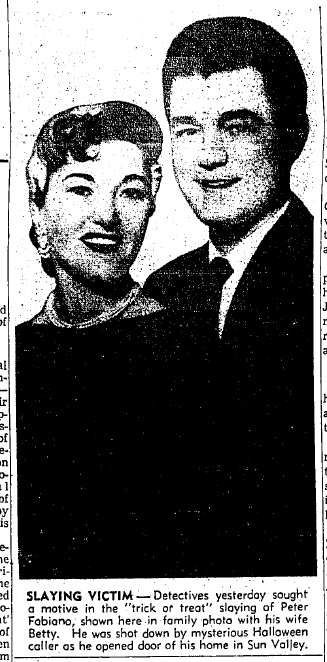 They had planned the murder for months as the vague wish turned into a solid, horrible truth. They played out each variation in the script again and again until every detail was polished and perfect. They thought of everything. One was the brains behind the killing and the other was the willing, gullible stooge. Neither could have done it
 In case you’re too young to understand Matt Weinstock’s reference, Crest toothpaste had a famous – and frequently satirized – ad campaign in the 1950s.
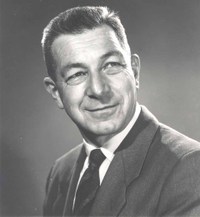 Last Saturday as Hildred M. Hodgson, a lively grandmother, was walking along N. Beverly Glen Blvd. near her home, a big yellow bus marked “Special” stopped and a friendly gentleman inquired, “Where are you going, my pretty madam?”
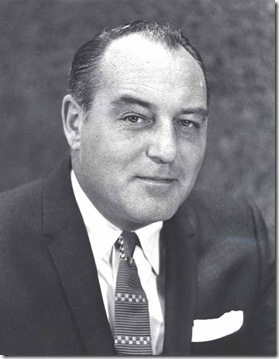 TOKYO — In today’s lesson, boys and girls, we will turn our rapt attention to the strange Japanese preoccupation with “saving face.”
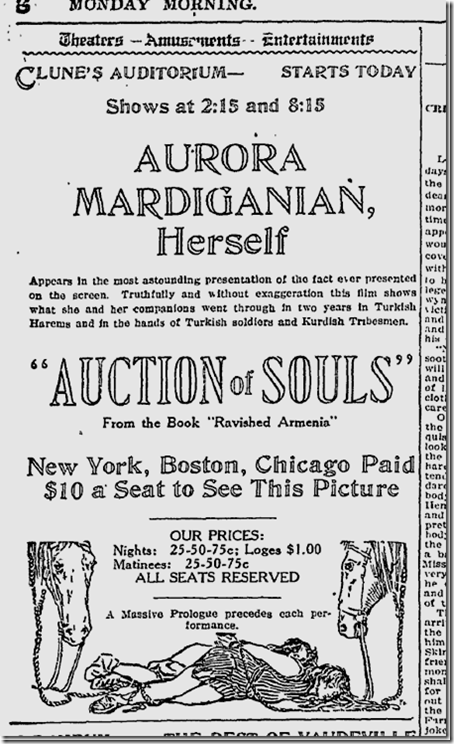
 ladailymirror.com